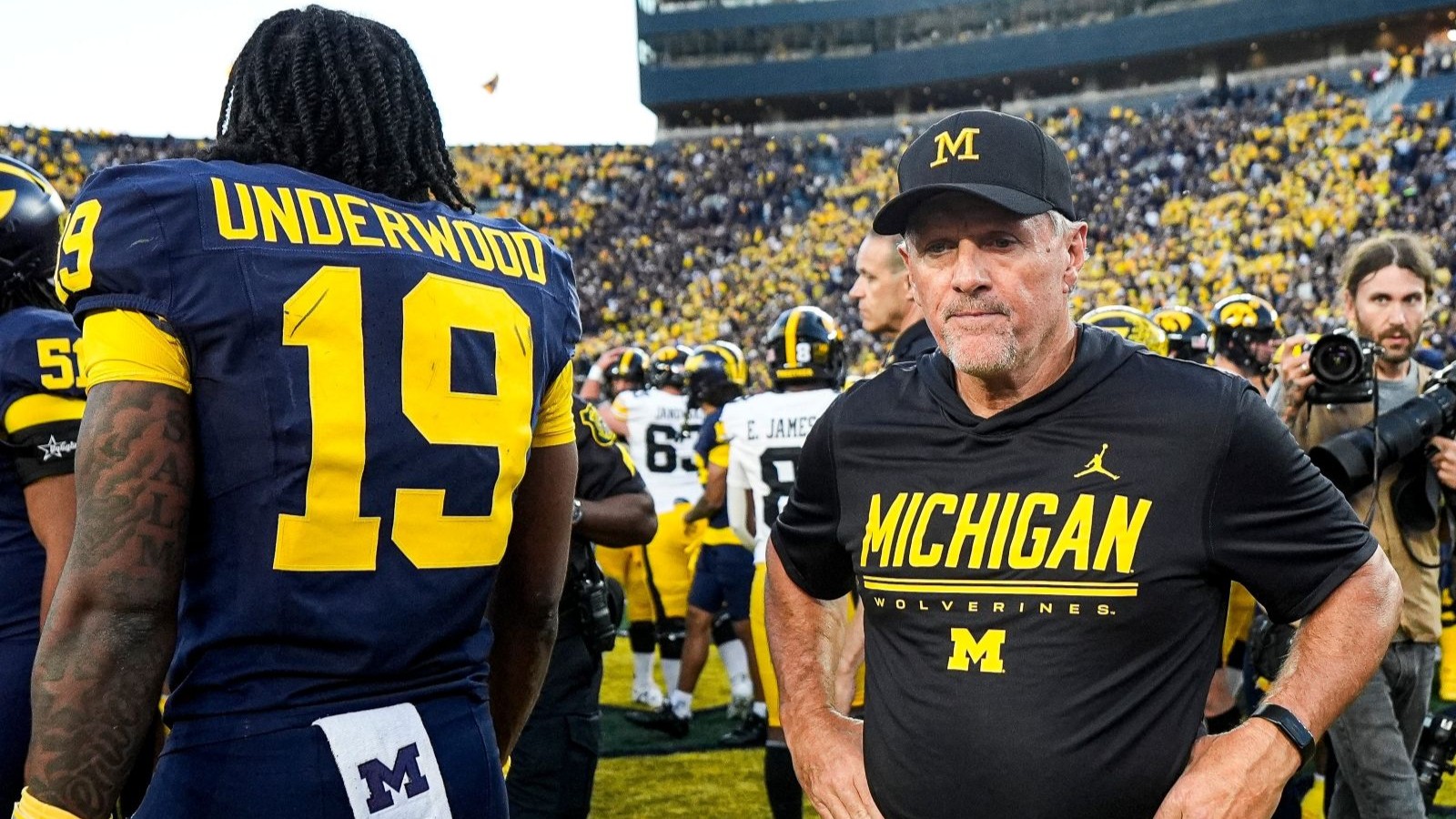
Source: Fortune
Summary
A new article in Fortune explores the evolving nature of leadership, arguing that traditional models are failing across industries. The piece highlights the need for leaders to embrace “toughness” without resorting to bullying or emotional suppression. Drawing on experience with companies like Apple, Nike, and General Motors, the article outlines strategies for building resilient organizations. It emphasizes the importance of clear narratives, trust, emotional regulation, and accountability. The article suggests that true leadership involves balancing high standards with human connection.
Our Reading
The numbers tell one story.
Leadership models are collapsing.
Traditional choices are no longer working.
Companies are looking for new ways to lead.
True toughness is about strength, not fear.
Author: Evan Null
Leadership in Crisis
Traditional models of leadership are failing at every level. Geopolitical conflicts are unstable, college athletics is in disarray, and corporate boardrooms are either too controlling or too passive. Many leaders feel they have only two options: be a ruthless jerk or a passive diplomat. But in times of constant crisis, “fake toughness” is just insecurity in disguise.
The Role of Toughness
The article argues that true leadership is about “toughness,” not bullying. It’s about committing to a bold mission, staying strong, and holding high standards. It’s about navigating uncomfortable truths and bringing out the best in others. Comfort is the enemy of toughness, and leaders who avoid discomfort risk letting mediocrity take over.
Building a Resilient Culture
The article outlines several strategies for building a resilient culture. Leaders should tell and live a good story, assemble a team they trust, use emotions strategically, address mistakes honestly, and make accountability a non-negotiable. These habits start with how leaders lead themselves and extend to how they lead others.
Emotional Regulation and Feedback
Real toughness means regulating your own emotions so you can channel passion and urgency into constructive energy. It also means giving precise feedback when standards slip and making hard decisions before mediocrity sets in. Leaders who suppress emotion create stagnation, while those who explode it create fear and anxiety.
Accountability and Execution
High standards mean nothing without clear execution systems. Leaders must set explicit expectations, assign clear owners, track progress, and give regular feedback. By doing so, progress becomes inevitable and stops relying on periodic nagging. The article suggests that “toughness” is an operating system that can be built, not a trait you’re born with.