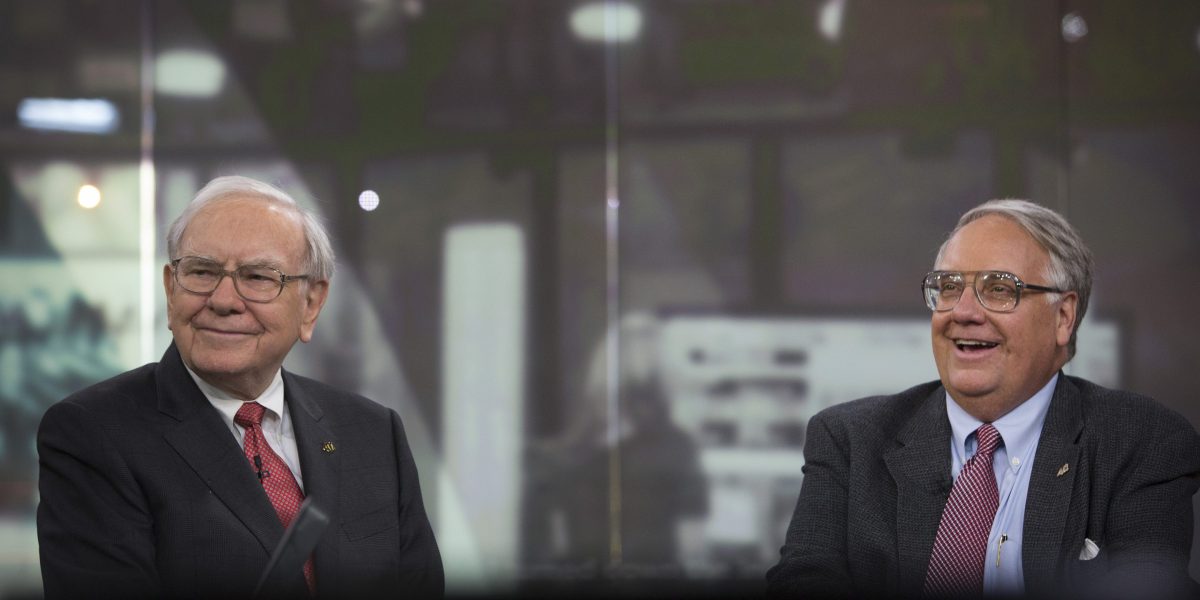
Source: Fortune.com
Summary
Warren Buffett stepped down as chairman of Berkshire Hathaway on Friday, passing the role to his son Howard, 71, who has spent his career in farming, law enforcement, and humanitarian work. Howard has been a Berkshire director since 1993 and will now oversee the company’s culture and values. Greg Abel, who became CEO in 2023, will continue managing day-to-day operations. Howard’s new role is to protect Berkshire’s long-term investment philosophy and autonomy. He is also part of a family effort to distribute Warren Buffett’s $145 billion fortune through foundations focused on global development.
Our Reading
The announcement sounds familiar.
Howard Buffett has no finance background, just farming, sheriff work, and photojournalism.
He’s now in charge of a trillion-dollar company, but not its operations.
Warren Buffett’s legacy is more about values than numbers.
The real power still lies with the people running the business, not the ones guarding the culture.
Author: Evan Null
A sheriff and a farmer
Howard Buffett has spent his life outside of finance, running a family farm, serving as a sheriff, and documenting war zones through photography. His career has been far removed from the world of stock markets and corporate deals. Despite this, he has been a director at Berkshire Hathaway for over three decades, longer than his father’s own apprenticeship. His new role as chairman is not about managing the company but preserving its values.
Howard’s background in conservation and humanitarian work has shaped his perspective. He has built a foundation focused on food security and conflict zones, with a presence in countries like Sudan and the Democratic Republic of Congo. His work has earned him international recognition, including honors from the governments of Mexico, Colombia, and Rwanda. Yet, he now faces the challenge of leading a financial giant with a very different set of priorities.
His role at Berkshire is symbolic, not operational. He won’t be involved in major investment decisions, leaving that to CEO Greg Abel. But his presence on the board signals a shift in how the company is being managed. While Buffett’s legacy is built on long-term investing and holding onto businesses, Howard’s influence will be more about maintaining the company’s identity.
Howard’s appointment is part of a long-term succession plan. His father has been preparing for this transition for years, ensuring that the company’s culture remains intact. Even though he has no financial background, his deep understanding of values and long-term goals makes him a fitting choice for the role. The challenge will be whether he can protect what makes Berkshire unique in a rapidly changing business environment.
His career has been defined by service, not profit. From farming to law enforcement to global humanitarian work, Howard has always prioritized purpose over wealth. Now, he must navigate the complexities of leading a financial empire while staying true to the principles he has lived by for decades.
His role at Berkshire
Howard Buffett’s new role as chairman is more about oversight than management. He will not be involved in day-to-day operations or major investment decisions. Instead, his focus will be on safeguarding the company’s culture and values. This is a critical role, as Berkshire is known for its long-term investment approach and the autonomy it grants to its subsidiaries. Howard’s job is to ensure that these principles remain intact, even as the company continues to grow and evolve.
Warren Buffett emphasized that Howard’s role is to act as a safeguard against any future leadership that might try to change what makes Berkshire unique. This is a key part of the company’s succession plan, which has been in the works for years. While Greg Abel will continue to run the company, Howard’s presence on the board ensures that the company’s values remain a priority.
Howard’s appointment also highlights the generational shift at Berkshire. While his father built the company’s reputation, the next chapter will be shaped by his children. This transition is not just about leadership but also about legacy. The challenge will be whether Howard can maintain the same level of trust and stability that his father has cultivated over the years.
The company’s board will continue to include Warren Buffett, who remains on the board, as well as former Yahoo President Susan Decker. This structure ensures that there is a balance between experience and new perspectives. However, the real power still lies with the people managing the business, not those safeguarding the culture.
Howard’s background in humanitarian work and conservation gives him a unique perspective on long-term value. While he may not be involved in financial decisions, his understanding of sustainability and social impact could influence how the company approaches its future. This could be a significant factor in how Berkshire continues to operate in the years to come.
Giving away the fortune
Howard is one of three siblings responsible for distributing Warren Buffett’s remaining fortune, which is valued at $145 billion. The family has chosen to give the money through their own foundations, rather than a single, centralized plan. These foundations currently distribute around $500 million annually, focusing on global development and humanitarian efforts. This approach reflects the family’s belief in decentralized giving, allowing each sibling to make independent decisions about how to use their share of the wealth.
Howard has spoken about the limitations of philanthropy, particularly in regions where systemic issues like weak governance and lack of rule of law hinder progress. In a recent interview, he emphasized that funding alone is not enough to address deep-rooted problems. He pointed to countries like Sudan and the Democratic Republic of Congo, where even significant financial support may not lead to meaningful change if the underlying issues are not addressed.
His perspective on philanthropy is shaped by his extensive work in conflict zones and his focus on food security and conservation. He believes that sustainable development requires more than just financial aid—it requires a commitment to long-term solutions. This philosophy is reflected in the work of his foundation, which focuses on areas where his efforts can have the most impact.
Despite his focus on giving, Howard’s new role at Berkshire may require him to balance his humanitarian goals with the financial realities of running a major corporation. While he is not involved in investment decisions, his influence on the company’s culture could shape how it approaches its future. This could be a challenge, as the company’s long-term success depends on both financial performance and ethical considerations.
Warren Buffett’s decision to let his children manage the family’s wealth reflects his confidence in their judgment. However, it also highlights the complexity of managing such a large fortune. The success of their philanthropy will depend on their ability to navigate the challenges of global development while maintaining the values that have guided their father’s legacy.
Legacy and transition
Warren Buffett’s decision to step down as chairman marks the end of an era for Berkshire Hathaway. For decades, he has been the face of the company, guiding it through economic booms and busts with a steady hand. Now, the responsibility falls to his son, who brings a different set of experiences and values to the role. This transition is not just about leadership—it’s about preserving the company’s identity in a rapidly changing world.
Howard’s appointment is a clear signal that the company is preparing for the future. While his father’s legacy is built on long-term investing and a hands-off approach to management, the next chapter will be shaped by a new generation of leaders. This shift is not without its challenges, as the company must continue to adapt to new market conditions while staying true to its core principles.
The role of chairman is not one of power but of principle. It is a symbolic position that represents the company’s values and long-term vision. For Howard, this means ensuring that the culture of Berkshire remains intact, even as the company continues to grow and evolve. His background in conservation and humanitarian work gives him a unique perspective on what it means to build lasting value.
As the company moves forward, the focus will be on maintaining the balance between tradition and innovation. While the day-to-day operations will be handled by Greg Abel, the board will need to ensure that the company’s values remain a priority. This will require a careful approach, as the company navigates the challenges of the modern business landscape.
Ultimately, the success of this transition will depend on how well the new leadership can uphold the legacy of Warren Buffett while also adapting to the needs of the future. The challenge is not just about managing a trillion-dollar company but about preserving the values that have made it one of the most respected in the world.
The new chairman
Howard Buffett’s appointment as chairman of Berkshire Hathaway is a significant moment in the company’s history. While he has no background in finance, his deep understanding of values and long-term planning makes him a fitting choice for the role. His career in farming, law enforcement, and humanitarian work has given him a unique perspective on what it means to build lasting value. This experience will be crucial as he takes on the responsibility of safeguarding the company’s culture and principles.
His role is not about making financial decisions but about ensuring that the company remains true to its roots. This is a critical task, as Berkshire is known for its long-term investment approach and the autonomy it grants to its subsidiaries. Howard’s presence on the board ensures that these values will continue to be a priority, even as the company evolves. His background in conservation and humanitarian work aligns with the company’s long-term vision, making him a natural fit for the role.
While his father’s legacy is built on financial acumen, Howard’s approach is more about purpose and impact. He has always prioritized service over profit, and this mindset will shape how he leads the company. His focus on sustainability and social responsibility could influence how the company approaches its future, even if he is not directly involved in investment decisions.
The transition at Berkshire is not just about leadership—it’s about legacy. The company has been a symbol of stability and long-term thinking for decades, and Howard’s role is to ensure that this continues. His appointment reflects the company’s commitment to preserving its values, even as it moves into a new era. The challenge will be whether he can maintain the same level of trust and stability that his father has cultivated over the years.
As the new chairman, Howard will face the challenge of balancing his humanitarian goals with the financial realities of running a major corporation. While he is not involved in day-to-day operations, his influence on the company’s culture could shape how it approaches its future. This will be a defining moment for both the company and the man who now leads it.