Source: Fox News
Summary
The Department of Homeland Security has accused Minnesota officials of staging a “political stunt” in a dispute over whether an ICE agent, Gregory Morgan Jr., should be prosecuted in state or federal court for allegedly pointing a gun at motorists. Morgan’s attorneys argue that he is protected under federal law, while Minnesota prosecutors say that his conduct fell outside any legitimate federal law-enforcement function. The case has grown into a broader fight over the legal protections afforded to federal officers.
The incident occurred on February 5, when Morgan was returning from a federal immigration enforcement operation in the Twin Cities. Prosecutors say that Morgan and another ICE agent were driving on the highway shoulder during rush hour when a Cadillac moved over and blocked their path, and that Morgan then pulled alongside the vehicle, drew a handgun, and pointed it at the occupants.
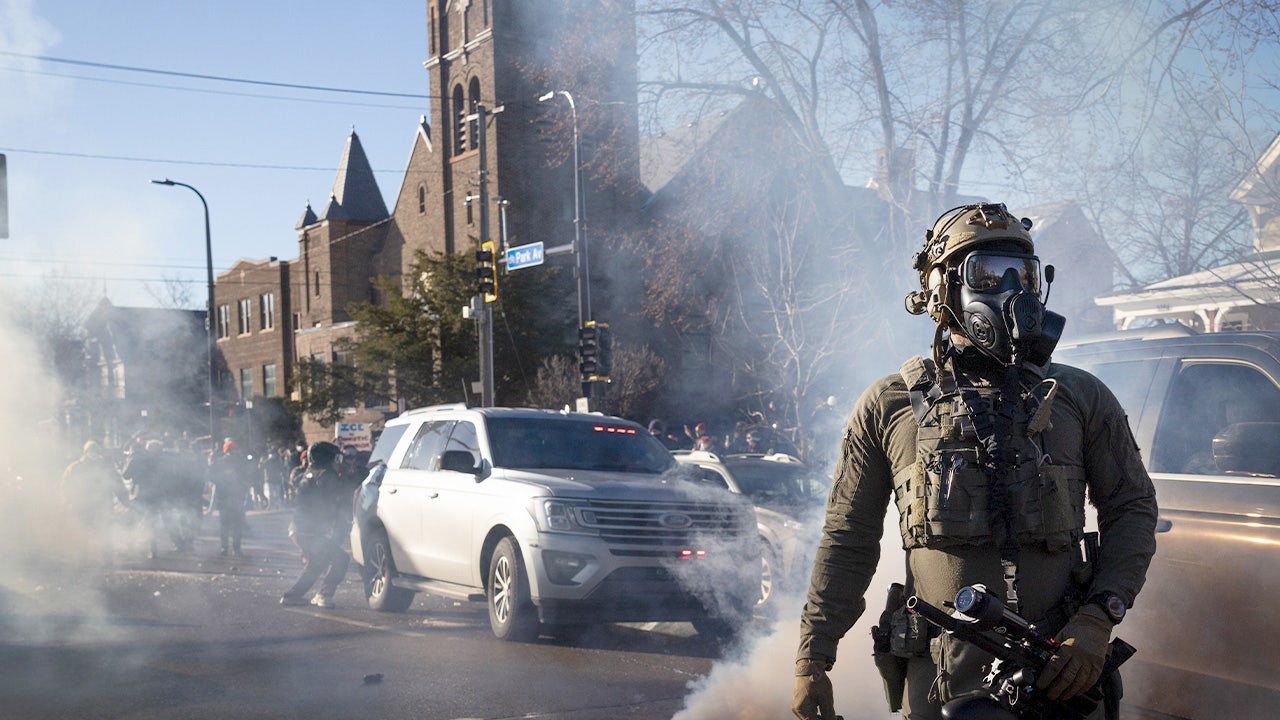
Morgan’s case is not the only prosecution stemming from Operation Metro Surge. Another ICE agent, Christian Castro, was charged with multiple assault counts in connection with the alleged shooting of Julio Sosa-Celis, an incident that sparked protests in north Minneapolis.
Our Reading
Once again, the discussion returns to a familiar question.
A federal officer is accused of misconduct, and the question arises: should they be prosecuted in state or federal court? The Department of Homeland Security accuses Minnesota officials of staging a “political stunt” in the case of Gregory Morgan Jr. Meanwhile, prosecutors argue that Morgan’s conduct fell outside any legitimate federal law-enforcement function.
The case becomes a performance of conflicting interests, with each side presenting its own narrative. The federal government asserts its authority, while state officials push back. The incident becomes a symbol of a larger debate over the limits of federal power.
As the case unfolds, the lines between fact and performance begin to blur. The question of what really happened on that highway becomes secondary to the drama of conflicting interests and competing narratives.
In the end, the case will be decided in a courtroom, but the real drama is playing out in the public sphere, where the performance of power and authority is on full display.
Author: Evan Null