
ICE Arrests Convicted Criminals
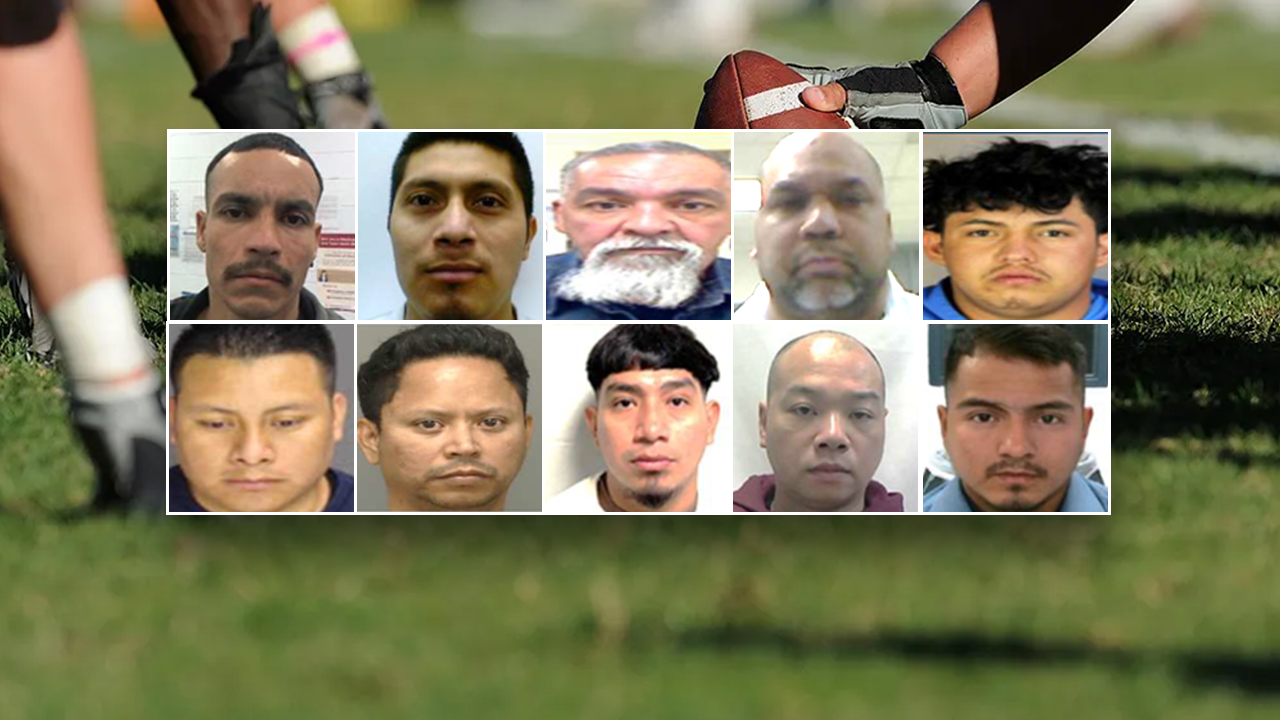
—
Source: Fox News
Summary
The Trump Department of Homeland Security (DHS) has released a statement claiming that despite being “demonized” at the Super Bowl, ICE agents continued to carry out operations over the weekend, arresting individuals convicted of crimes such as pedophilia, murder, and rape. The statement also mentioned that 70% of ICE arrests are of illegal aliens charged or convicted of a crime in the U.S. DHS Assistant Secretary Tricia McLaughlin stated that “despite smears from Hollywood, ICE is making our country safer every single day.”
Our Reading
As expected, the matter has reached another stage. DHS continues to highlight its efforts in arresting criminal illegal aliens, citing statistics and specific cases. The statement also emphasizes the perceived demonization of ICE agents, claiming it leads to a 1,300% increase in assaults against them. Meanwhile, Bad Bunny’s halftime show, featuring his criticism of ICE, continues to spark controversy.
The Super Bowl halftime show, featuring Bad Bunny, sparked outrage among some conservative viewers, including President Trump. In response, DHS highlighted its efforts in arresting criminal illegal aliens, including cases of pedophilia, murder, and rape. Assistant Secretary Tricia McLaughlin stated that despite smears from Hollywood, ICE is making the country safer every day. The statement also mentioned a 70% increase in ICE arrests of illegal aliens charged or convicted of a crime in the U.S.
ICE arrested individuals in various locations, including California, Nevada, New York, and Pennsylvania, all with criminal convictions. The cases include Mario Rosales-Figueroa, convicted of sex with a minor, and Guillermo Arturo Ramirez-Londono, convicted of sexual assault on a minor.
The statement’s focus on demonization and statistics serves as a reminder of the ongoing debate surrounding ICE and its role in immigration enforcement. The mention of Bad Bunny’s halftime show and his criticism of ICE adds to the controversy, with some viewing it as a political statement and others seeing it as an expression of artistic freedom.
In hindsight, the statement’s emphasis on demonization and statistics feels like a familiar performance, one aimed at defending ICE’s actions while also criticizing those who question its methods. The inclusion of specific cases and statistics serves to reinforce the agency’s message, making the event feel more like a ritual than a genuine discussion about immigration enforcement.
