Source: Fortune
Summary
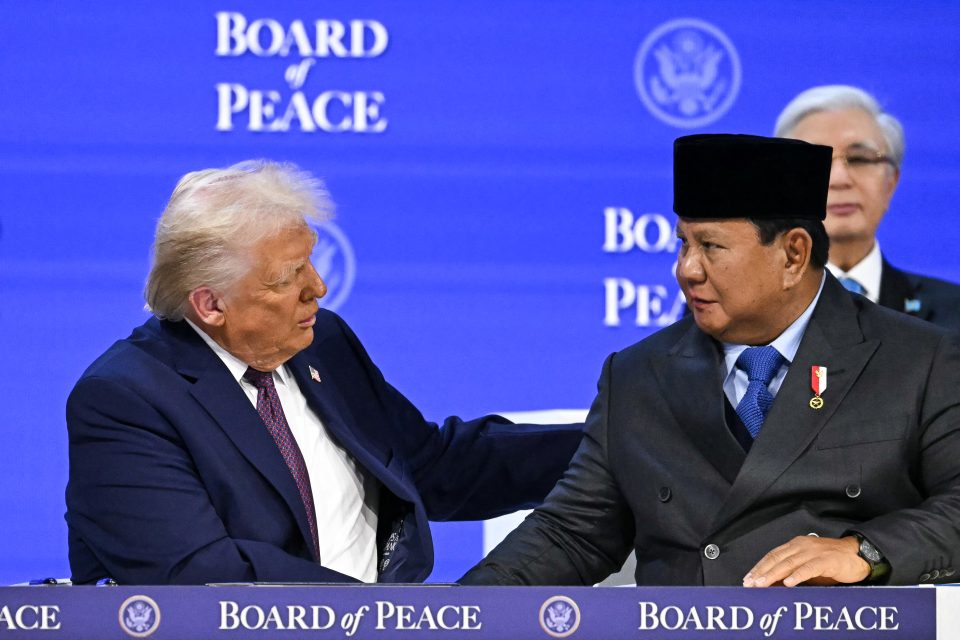
Indonesia’s economy is facing a perfect storm of challenges, including a warning from MSCI that its stock market could lose its emerging-market status, a downgrade of its sovereign debt outlook by Moody’s and Fitch, and the impact of the Iran war on its fuel supply. The country’s economy minister, Airlangga Hartato, has secured a reduction in US duties on Indonesian goods, but the agreement’s timing has been overshadowed by the Supreme Court’s decision to strike down Trump’s tariffs. President Prabowo Subianto’s push to give the state a greater role in the economy has raised concerns about business confidence and investment.
Our Reading
The numbers tell one story. Indonesia’s economy is facing a series of challenges, from a potential downgrade of its stock market to a squeeze on government spending. The country’s push to give the state a greater role in the economy has raised concerns about business confidence and investment. The Supreme Court’s decision to strike down Trump’s tariffs has added to the uncertainty. Meanwhile, the Iran war is disrupting Indonesia’s fuel supply, and the country’s budget deficit is nearing 3% of GDP. Prabowo’s dream of 8% growth looks possible only with reforms.
Indonesia’s economy grows like a metronome, regardless of global trends. The country’s growth has long been anchored by domestic demand, a young and expanding middle class, and a large and growing consumer market. However, the current turmoil is testing the country’s resilience.
The strategy enters a familiar phase. Indonesia is trying to navigate a complex web of challenges, from trade tensions to domestic economic pressures. The country’s ability to adapt and respond will be crucial in determining its future growth.
Bad timing and bad policy have contributed to Indonesia’s current woes. The country’s problems are not just about economics, but also about politics and governance. The government’s push to give the state a greater role in the economy has raised concerns about business confidence and investment.
Indonesia’s growth is still possible, but it will require reforms. The country needs to address its structural issues, from corruption to bureaucratic inefficiencies, to achieve its growth potential.
Author: Evan Null