Source: FOX NEWS
Summary
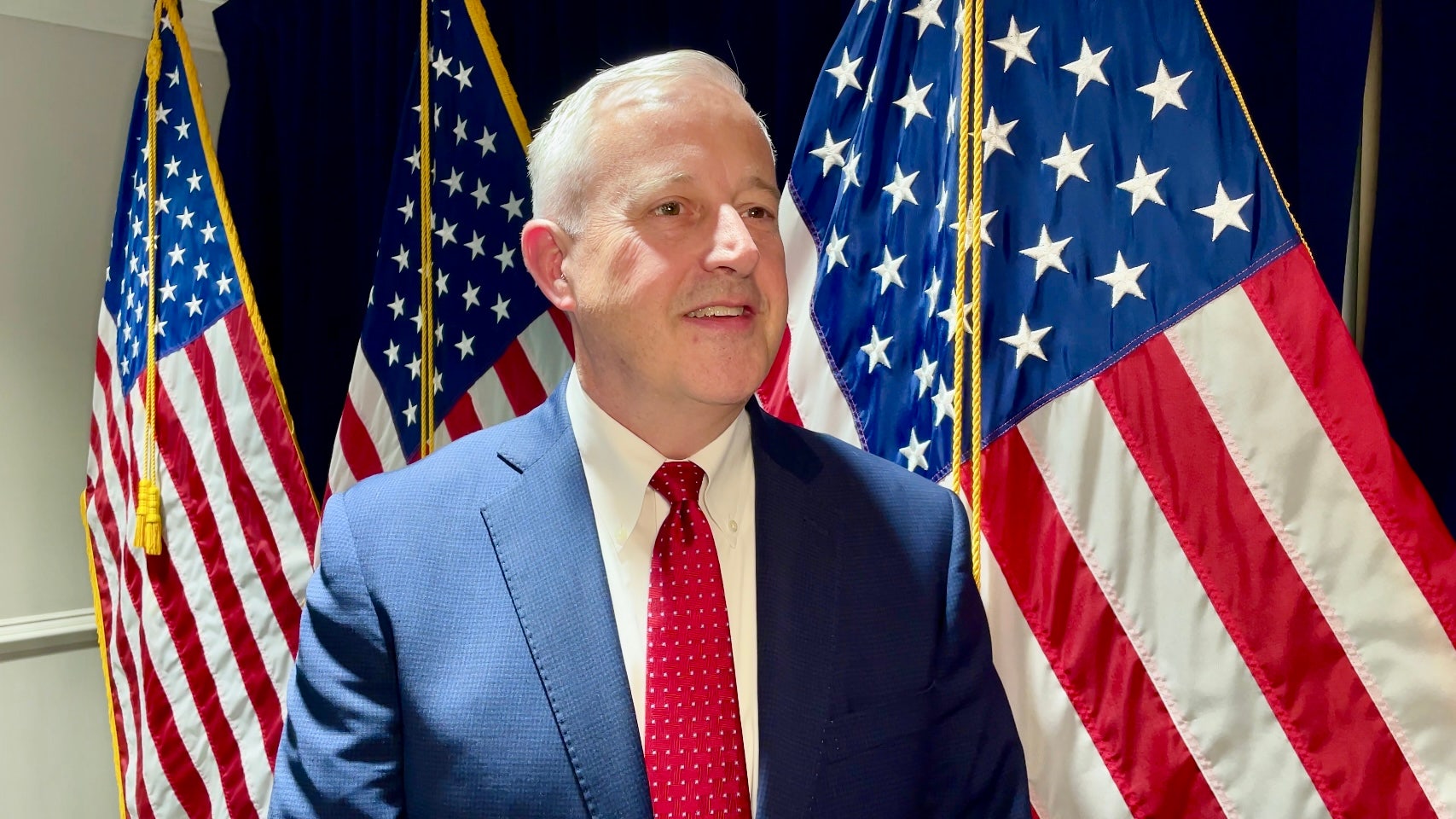
Michael Whatley, the Republican nominee for U.S. Senate in North Carolina, and his family hold between $246,000 and $690,000 in energy investments with companies involved in data center growth, according to his federal disclosure. Holdings include Duke Energy, Arista Networks, Dominion Energy, and GE Vernova. Whatley’s campaign stated he supports restrictions on stock trading for members of Congress and believes data centers should pay their own way. The Democratic candidate, Roy Cooper, criticized Whatley for not addressing local concerns about data center expansion. The race is set for the general election on Nov. 3.
Our Reading
As expected, the matter has reached another stage.
Whatley’s investments align with companies powering data centers.
His campaign defends his stance on stock trading and data center costs.
Cooper’s team highlights local resistance and affordability concerns.
Both candidates frame the issue as a battle over control and costs.
Author: Evan Null
Michael Whatley’s Energy Investments
Michael Whatley, the Republican nominee for U.S. Senate in North Carolina, holds energy investments with companies involved in data center growth. His family’s holdings range from $246,000 to $690,000. These investments include Duke Energy, Arista Networks, Dominion Energy, and GE Vernova. The companies provide services or products used by data centers, raising questions about potential conflicts of interest.
Whatley’s Campaign Response
Whatley’s campaign emphasized his support for restrictions on stock trading for members of Congress. They stated he backs the Stop Insider Trading Act and believes data centers should pay their own way. The campaign also highlighted his support for local communities deciding on data center projects. Whatley’s team argued that data centers should cover all grid upgrades without shifting costs to residential ratepayers.
Cooper’s Criticism of Whatley
The Cooper campaign criticized Whatley for not addressing local resistance to data center expansion. They accused him of being a utility company lobbyist who prioritizes the interests of billionaires over hardworking families. Cooper’s team argued that data centers are forcing communities to pay higher utility bills. They emphasized the need for local control over data center projects and fair energy costs for consumers.
Cooper’s Stance on Data Centers
Roy Cooper, the Democratic candidate, has taken a more critical approach to data center expansion. He argues that these projects are increasing utility bills for local communities. Cooper’s campaign stated that data centers must pay for all the energy they use without passing on costs to consumers. They emphasized the importance of local communities having the final say on new projects, including the right to impose moratoriums.
General Election on Nov. 3
Having cleared their respective primaries, both candidates are set for the general election on Nov. 3. The race has centered on data center expansion, energy costs, and local control. Whatley’s campaign focuses on data center self-sufficiency and community decision-making. Cooper’s team highlights concerns about affordability and the impact of data centers on local utilities. The outcome of the race could influence the future of data center growth in North Carolina.