
Iran Enriched Uranium US Plan
Source: Fox News
Summary
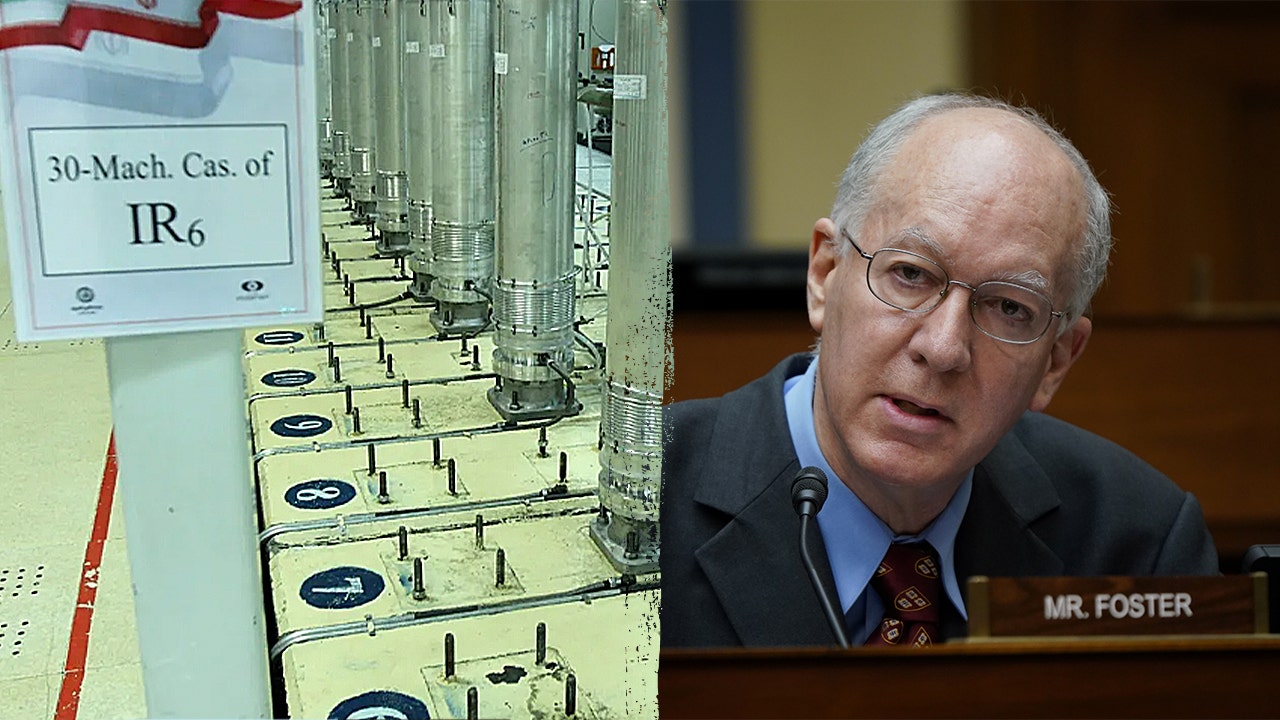
Rep. Bill Foster, D-Ill., expressed concerns over the lack of a plan to secure or neutralize Iran’s nuclear sites during the US offensive campaign. Foster stated that the administration did not present a clear plan to deal with Iran’s stockpile of enriched uranium, which could be used to build a nuclear device. The US has struck over 1,700 targets in Iran, but core nuclear facilities have not been primary targets. Experts note that building a compact warhead requires advanced engineering, but a simpler nuclear device could be built using the stockpiled uranium.
Our Reading
As expected, the matter has reached another stage.
Rep. Bill Foster, a physicist by background, raises concerns about the lack of a plan to secure Iran’s nuclear sites. The administration’s justification for intervention centered on preventing a nuclear-armed Iran. However, the most immediate threat facing US troops and partners has been Iran’s ongoing missile and drone launches. Lawmakers are questioning the sustainability of the campaign, citing concerns about interceptor supplies and the ability to replenish them without weakening readiness in other theaters. The Pentagon is balancing competing demands, supplying missile defense systems to Ukraine while protecting US bases and Gulf partners.
It seems that the conflict has become a “math problem” – balancing launch volumes against finite air defense munitions and the ability to replenish them.
The administration’s focus on dismantling Iran’s ability to project force with missiles, drones, and naval assets has raised questions about the long-term threat of a nuclear weapon.
The concern is not theoretical, as the intense June 2025 Iran-Israel conflict showed the need for high-end air defense systems.
Replenishing these systems can take over a year under current production rates, creating a “zero-sum” competition for inventory between Europe and the Middle East.
It’s almost as if the administration is playing a game of whack-a-mole, addressing one threat while another emerges.
Author: Evan Null
