Source: Fortune
Summary
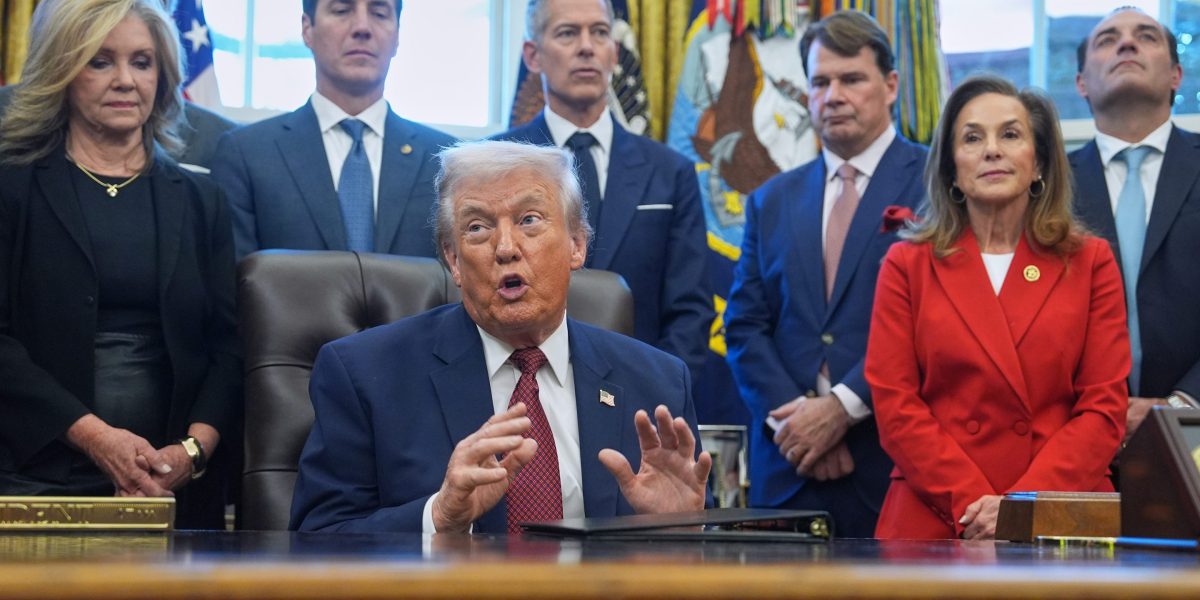
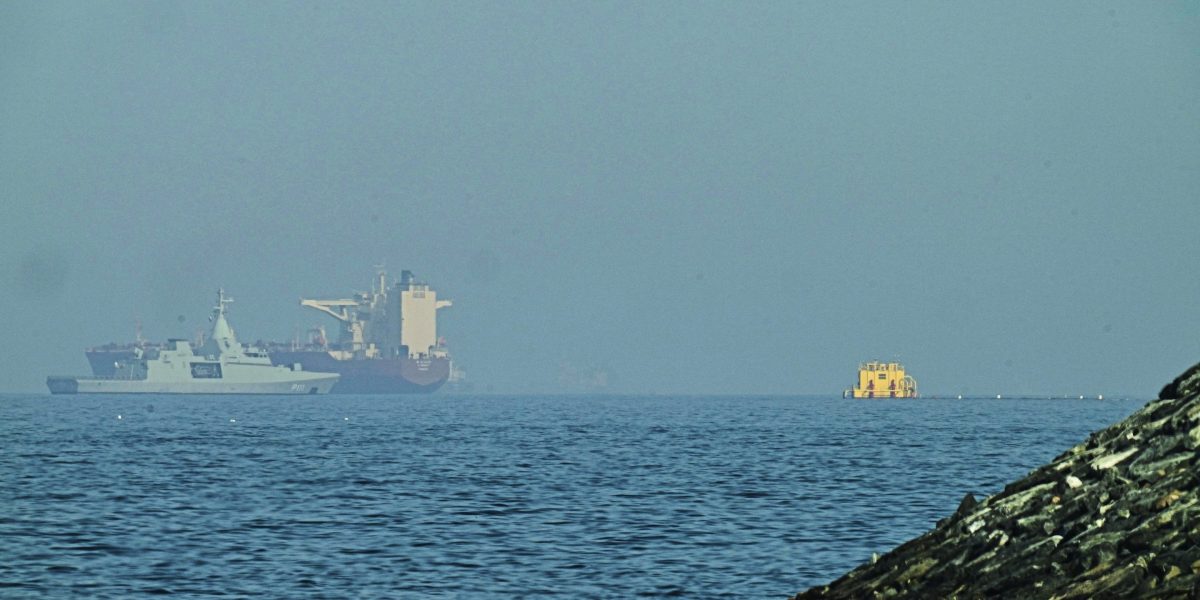
Iran has submitted a 14-point proposal to the US, seeking to resolve issues between the two countries within 30 days and end the war. The proposal includes demands for the US to lift sanctions, end its naval blockade, and cease hostilities. Iran also wants the US to recognize its right to control the Strait of Hormuz, a critical waterway for global oil trade. The US has expressed skepticism about the proposal, and President Trump has warned that further strikes remain a possibility. The fragile ceasefire between the two countries appears to be holding, but tensions remain high.
Our Reading
The numbers tell one story. Iran’s grip on the Strait of Hormuz has shaken global markets, and the US has warned shipping companies they could face sanctions for paying Iran to pass safely. Iran’s currency, the rial, has weakened further against the US dollar, and the country’s economy is struggling. The US Treasury Secretary, Scott Bessent, has said Iran’s oil storage is rapidly filling up, and the country will have to start shutting in wells soon. The situation is a familiar phase in the ongoing tensions between the US and Iran.
Iran’s proposal is a rebuff to the US’s nine-point plan, and it’s clear that both sides are unwilling to back down. The US is pushing for Iran to address its nuclear program, but Iran would rather address that issue later. The Strait of Hormuz remains a critical point of contention, and Iran’s control of it has significant implications for global trade.
The situation is a delicate balancing act, with both sides trying to gain the upper hand. The US is using economic pressure to try to force Iran to negotiate, while Iran is using its control of the Strait of Hormuz to try to gain leverage. The fragile ceasefire is holding, but it’s clear that the situation could escalate at any moment.
Author: Evan Null