Source: Fortune
Summary
Iran’s oil exports have plunged and storage is rapidly filling due to the US naval blockade in the Strait of Hormuz. However, Tehran has decades of experience preparing for such scenarios and has begun curbing production to manage storage capacity. Iranian officials claim they have enough expertise and experience to manage the situation, citing techniques learned from past sanctions and shutdowns. The country’s oil production has been reduced, but the exact amount is unknown. Iran’s economy is already in disarray, with its currency hitting a record low against the dollar and wartime damage pushing up consumer prices.
Our Reading
The numbers tell one story.
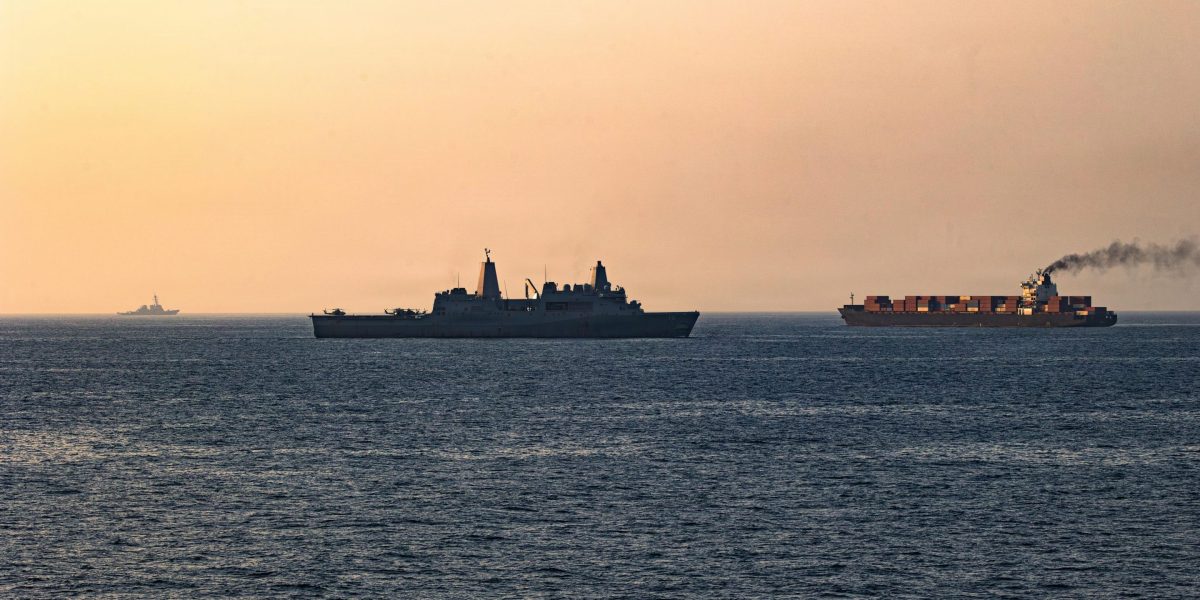
Iran’s oil production has been reduced, but the country’s officials claim they can manage the situation using techniques learned from past sanctions and shutdowns. The US naval blockade has forced Iran to rely on floating storage, with a growing number of tankers clustered off Kharg Island. Iranian officials insist they can manage the turbulence, at least for a time, but the country’s economy is already in disarray.
Iran’s oil sector has remained resilient, producing about 3.2 million barrels a day in March, and exports were holding near prewar levels. The country retains significant tanker capacity, equivalent to roughly 37 very large crude carriers, both inside and outside the blockade.
The US Treasury Department has sanctioned dozens of individuals accused of overseeing Iran’s “shadow banking” network, including teapot refineries.
Iran’s ability to manage constraints and preserve its ability to ramp production back up if conditions ease will be critical.
In the end, Iran’s oil-export infrastructure is built around flexibility, and the country has multiple levers to keep oil moving, but at what cost?
Author: Evan Null