Source: Fortune
Summary
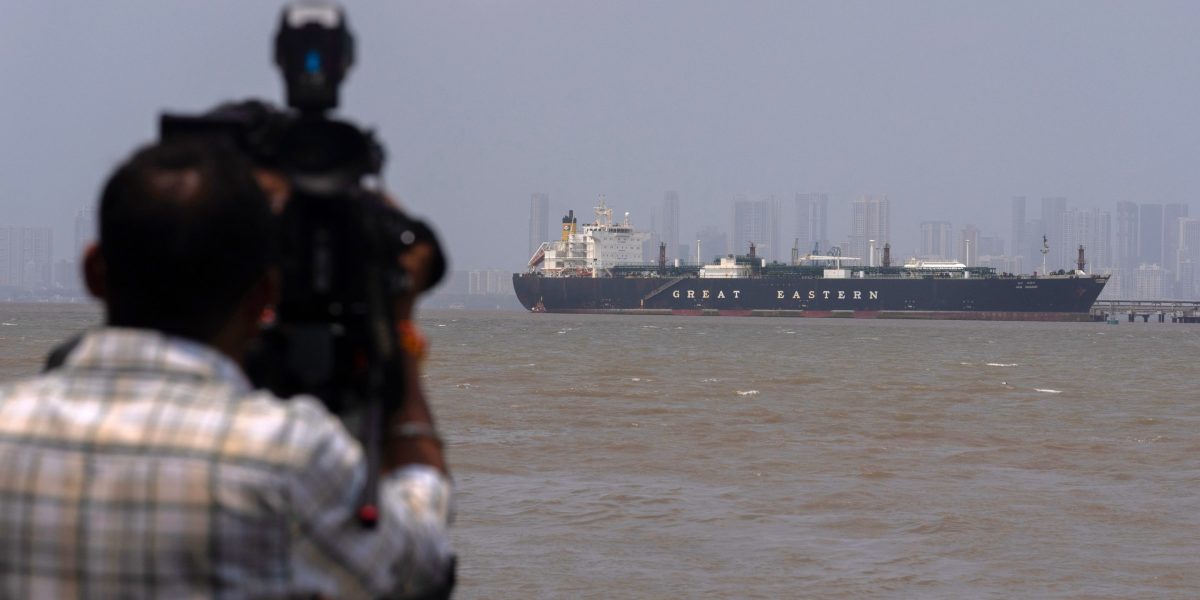
Iran’s proposal to collect tolls in the Strait of Hormuz as a precondition for reopening the waterway vital to world oil supplies has raised concerns about violating international maritime trade principles. The US and Israel oppose the tolls, while Iran claims it will use the money for reconstruction. The Strait of Hormuz is a critical passage for 20% of the world’s oil, and its closure has led to supply constraints and higher energy prices. The Law of the Sea Treaty guarantees freedom of peaceful navigation, and experts warn that allowing Iran to collect tolls could set a dangerous precedent.
Our Reading
The announcement sounds familiar.
Iran’s proposal to collect tolls in the Strait of Hormuz is a classic case of “pay to play.” The US and Israel are opposed, but Iran is holding out for a deal that would give it control over the strait and a new revenue stream. The numbers tell a story of economic pressure: 20% of the world’s oil passes through the strait, and the closure has led to a 30% increase in oil prices. The Law of the Sea Treaty is clear: freedom of navigation is a fundamental right. But Iran is betting that the global economy needs the strait reopened, and it’s willing to play hardball to get what it wants. The endgame is clear: Iran wants to be the gatekeeper of the Strait of Hormuz, and it’s willing to do whatever it takes to make that happen.
Original Observation: The real toll is not the money, but the precedent.
Author: Evan Null