Source: Fortune
Summary
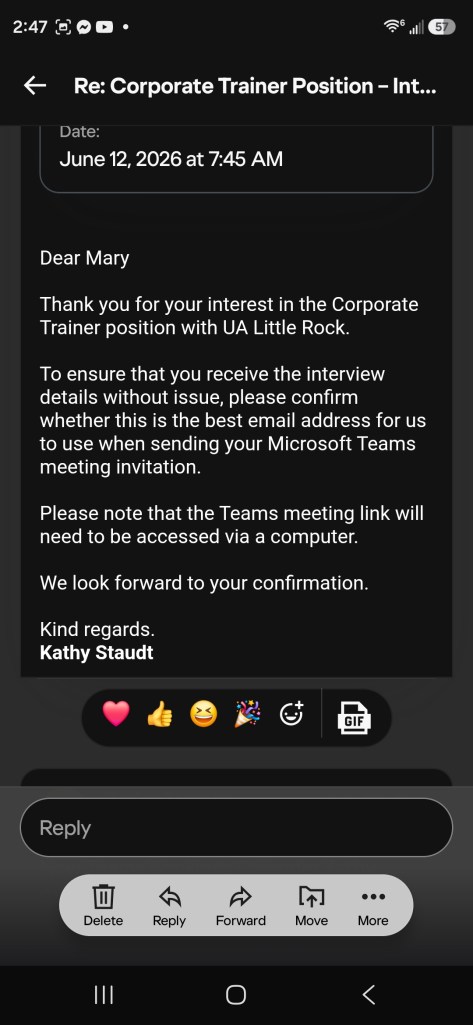
Job scams are becoming increasingly sophisticated, with scammers using AI to create convincing emails and messages. According to the Better Business Bureau, nearly 50,000 people reported falling victim to employment scams in the past three years, with losses totaling $501 million. Scammers often target job seekers with fake job offers, asking for money or personal information. Experts recommend being cautious when receiving recruiting messages and verifying the authenticity of job offers through official channels.
Our Reading
The numbers tell one story. Scammers are getting better at creating convincing emails and messages, using AI to take away language barriers and avoid detection. Job seekers are being targeted with fake job offers, and it’s not just about the money – it’s about the emotional toll of being scammed. As one victim said, “It’s scary how realistic these scams are getting… it’s very frustrating, it’s very hurtful.”
The strategy enters a familiar phase. Scammers are using AI to launch phishing attempts, making it harder for humans to detect scams. As Roger Grimes, a chief information security officer advisor, said, “You need AI to beat AI.” The game is changing, and job seekers need to be aware of the risks.
The announcement sounds familiar. Scams are getting more sophisticated, and it’s not just about the tech – it’s about the psychology. Scammers are using emotional manipulation to get what they want, and job seekers need to be aware of the tactics. As Grimes said, “When in doubt, chicken out.”
The original observation: Scams are not just about the money – they’re about the trust. Job seekers are putting their trust in recruiters and companies, and scammers are exploiting that trust. As one victim said, “I had to uninstall the WhatsApp app on my cell phone… I would be lying if I said that it didn’t negatively affect me for a short period of time.” The emotional toll of being scammed is real, and it’s time to take action.
Author: Evan Null