Source: Fortune.com
Summary
A federal judge in California ruled that the U.S. government violated the First Amendment by silencing critics of Israel’s war in Gaza and others through deportation threats. The decision supports The Stanford Daily, which reported that international students feared speaking out. Judge Noël Wise cited constitutional flaws and retaliation against those expressing views on Palestine and Israel. The ruling struck down parts of the government’s deportation policies. The Justice Department did not comment on the decision.
Our Reading
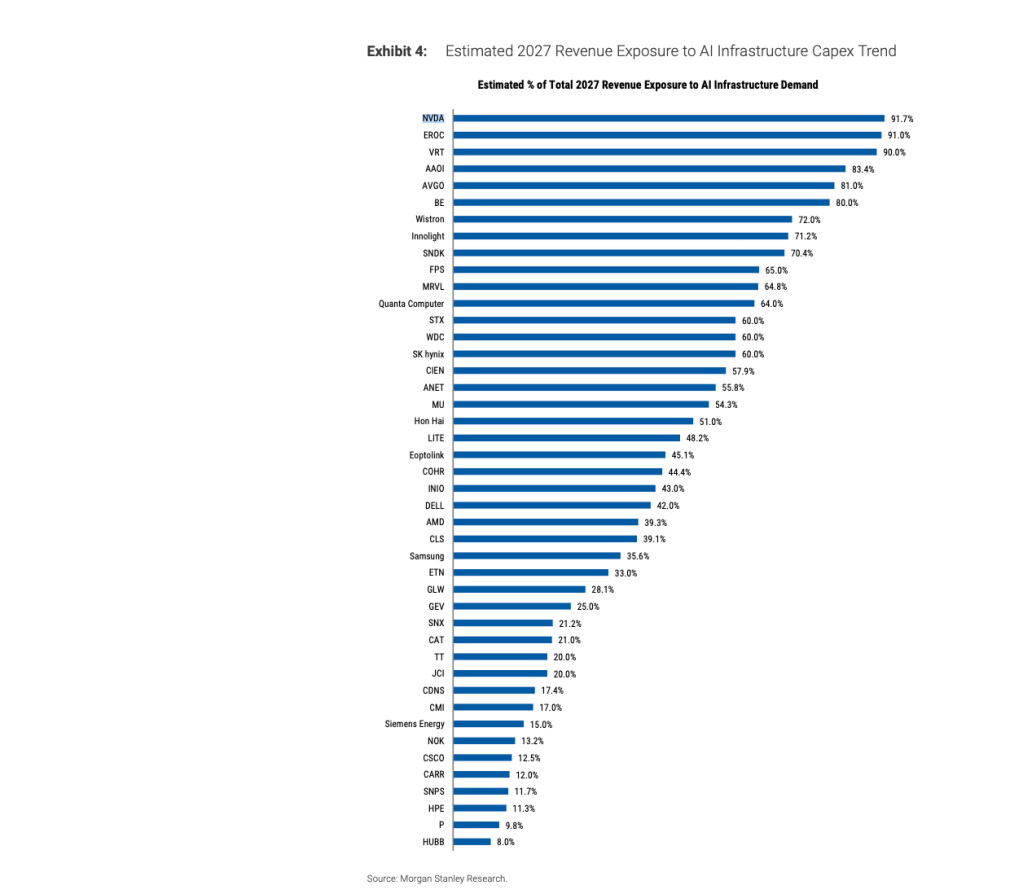
The numbers tell one story.
Judge Noël Wise ruled against the government’s deportation tactics.
Students feared speaking out over Gaza and Israel.
The decision cited First Amendment violations.
The government’s actions chilled free speech on campuses.
Author: Evan Null
Background on the Case
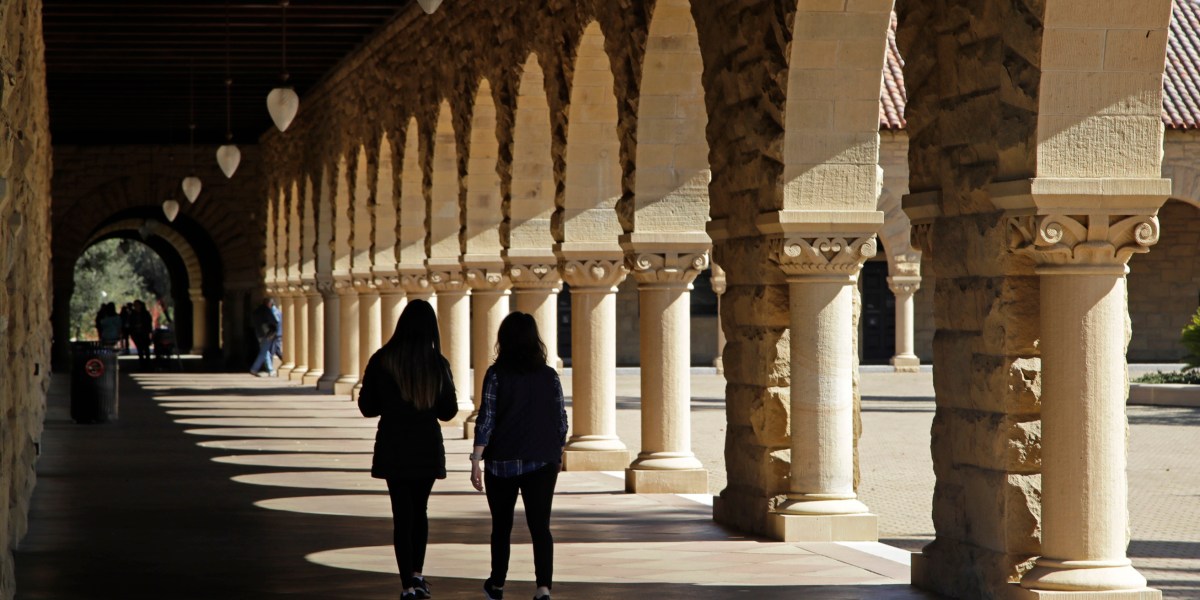
The case centers on the Trump administration’s efforts to deport noncitizens who criticized Israel’s actions in Gaza. The Stanford Daily, a student newspaper, reported that international students were afraid to speak out due to the threat of deportation. The judge’s ruling aligns with previous decisions that found similar policies unconstitutional.
Judge’s Ruling and Legal Basis
Judge Noël Wise ruled that the government’s deportation policies violated the First and Fifth Amendments. She argued that the policies created a chilling effect on free speech, especially on college campuses. The decision also cited retaliation against individuals who expressed support for Palestinians or criticized Israel.
Impact on Students and Journalists
The judge noted that noncitizen students at The Stanford Daily had quit, withheld articles, and requested anonymity due to fear of deportation. She emphasized that noncitizens have the same First Amendment rights as citizens but were left confused about what was permissible under U.S. law.
Responses to the Ruling
George Porteous, editor-in-chief of The Stanford Daily, welcomed the ruling, saying it protected journalists from deportation for their work. Conor Fitzpatrick, an attorney with the Foundation for Individual Rights and Expression, praised the decision as a victory for free speech. The Justice Department did not comment on the ruling.
Broader Implications
The ruling highlights the tension between national security and free speech. It also underscores the impact of government policies on students and journalists. The judge warned that the current approach could lead to further suppression of dissent in the future.