Source: Fortune
Summary
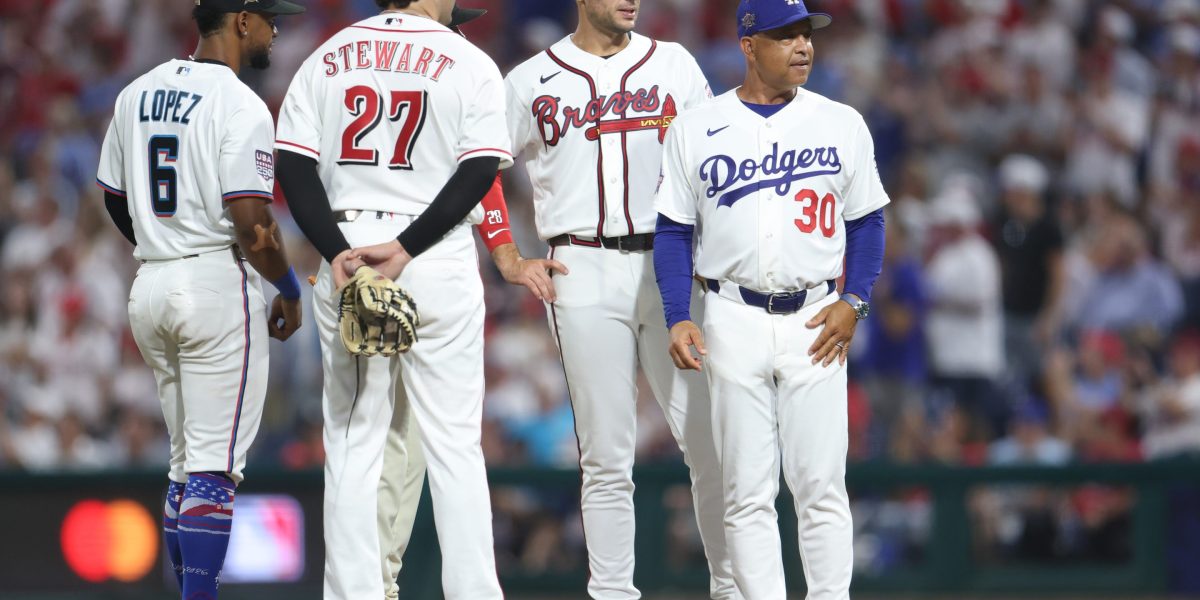
Kalshi, a prediction market platform, announced multi-year brand partnerships with five Major League Baseball teams: the Atlanta Braves, Boston Red Sox, Los Angeles Dodgers, San Diego Padres, and San Francisco Giants. The deals include stadium ads, digital promotions, and branded spaces. Kalshi’s sports partnerships head, Adam Barrick, said the move aligns with fan enthusiasm. In 2026, baseball-related contracts on Kalshi totaled nearly 13 billion, a 36-fold increase from 2025. The company is also in talks with MLB for a separate partnership. Other prediction markets, like Polymarket and Novig, have also partnered with MLB teams.
Our Reading
The numbers tell one story.
Kalshi signed five MLB teams for brand deals.
Trading volume jumped 36x in 2026.
Other platforms are also racing to partner with sports teams.
Corporate enthusiasm meets fan culture, but the financials stay quiet.
Author: Evan Null
Partnerships and Prediction Markets
Kalshi has entered into multi-year brand partnerships with five of Major League Baseball’s most recognizable teams, including the Atlanta Braves, Boston Red Sox, Los Angeles Dodgers, San Diego Padres, and San Francisco Giants. These agreements allow Kalshi to promote itself through stadium ads, digital and radio campaigns, and branded spaces at the teams’ venues.
The deals are part of a broader trend in the prediction market industry, where platforms are increasingly seeking partnerships with sports franchises. These partnerships offer exposure and help drive user engagement, particularly in the sports betting and prediction space.
According to Kalshi, baseball-related contracts on its platform totaled nearly 13 billion in 2026, a 36-fold increase from the same period in 2025. This surge in trading volume underscores the growing popularity of prediction markets, especially in the sports sector.
Kalshi’s head of sports partnerships, Adam Barrick, said the move was a natural extension of fan enthusiasm. The company has not disclosed the financial terms of the agreements, but it is reportedly in talks with Major League Baseball for a separate partnership.
Other prediction markets, like Polymarket and Novig, have also secured deals with MLB teams, signaling a competitive race to capture a share of the sports prediction market.
Industry Growth and Regulatory Developments
The prediction market industry has seen significant growth, with platforms expanding their reach beyond traditional betting. These markets allow users to wager on a wide range of events, from sports outcomes to political elections and pop culture trends.
Major League Baseball has also taken steps to engage with prediction markets. In March, the league signed a memorandum of understanding with the Commodity Futures Trading Commission (CFTC) to address potential integrity issues in baseball-related event contracts. This collaboration highlights the growing regulatory interest in the space.
Outside of baseball, prediction market platforms have also partnered with other sports leagues, including the NHL, MLS, and UFC. These deals reflect a broader strategy to tap into the sports betting and prediction market, which is expected to continue growing in the coming years.
As the industry expands, platforms like Kalshi are positioning themselves as key players in the sports prediction space. Their partnerships with MLB teams and other leagues suggest a long-term commitment to this market.
However, the financial details of these deals remain opaque, and the regulatory landscape continues to evolve. This creates a dynamic environment where growth is possible, but also subject to scrutiny and change.
Competitive Landscape and Market Positioning
Kalshi is not the only prediction market platform vying for partnerships with major sports franchises. Polymarket recently announced a deal with the New York Yankees, and Novig signed a multiyear agreement with the New York Mets in July 2026. These moves highlight the competitive nature of the industry.
As prediction markets grow, they are increasingly seen as a way to engage fans and drive user activity. By partnering with well-known teams, platforms like Kalshi can tap into existing fan bases and build brand recognition.
The partnerships also offer teams new revenue streams and opportunities to engage with fans in innovative ways. For example, the Los Angeles Dodgers will grant Kalshi naming rights for the Golden Glove Bar as part of the deal.
Despite the growth, the prediction market industry still faces challenges, including regulatory uncertainty and public perception. However, the increasing number of partnerships suggests that the industry is gaining traction and legitimacy.
As more platforms enter the space, the competition for sports partnerships is likely to intensify. This could lead to more deals and greater visibility for prediction markets in the sports world.
Future Prospects and Strategic Moves
Kalshi’s partnerships with MLB teams are part of a broader strategy to expand its presence in the sports prediction market. The company is also reportedly in discussions with Major League Baseball for a separate partnership, which could further solidify its position in the industry.
The prediction market industry has also been expanding into other areas, such as international sports events. For example, ADI PredictStreet signed a multiyear agreement to become the official prediction-market partner of the 2026 FIFA World Cup. This move highlights the global reach of these platforms.
As the industry grows, prediction markets are becoming more integrated into the sports ecosystem. This includes not only partnerships with teams and leagues but also collaborations with regulatory bodies to ensure the integrity of the markets.
Despite the growth, the financial details of these deals remain largely undisclosed. This lack of transparency can make it difficult to assess the true value and impact of these partnerships.
Looking ahead, the prediction market industry is likely to continue evolving, with more platforms seeking partnerships and expanding their reach. This could lead to new opportunities and challenges as the market matures.
Regulatory and Public Perception Challenges
As prediction markets grow, they face increasing scrutiny from regulators and the public. The industry has been working to establish a framework that ensures the integrity of the markets while maintaining user trust.
Major League Baseball’s memorandum of understanding with the Commodity Futures Trading Commission (CFTC) is one example of this effort. The agreement outlines how the league and the regulator will share information about potential integrity issues in baseball-related event contracts.
These regulatory developments are important for the long-term sustainability of prediction markets. They help address concerns about fraud, manipulation, and other risks that could undermine user confidence.
At the same time, public perception of prediction markets remains mixed. While some view them as a fun and engaging way to participate in sports, others see them as a form of gambling that could have negative consequences.
As the industry continues to grow, it will need to balance innovation with responsibility. This includes working closely with regulators, promoting transparency, and addressing concerns about the potential risks associated with prediction markets.