Source: Fortune
Summary
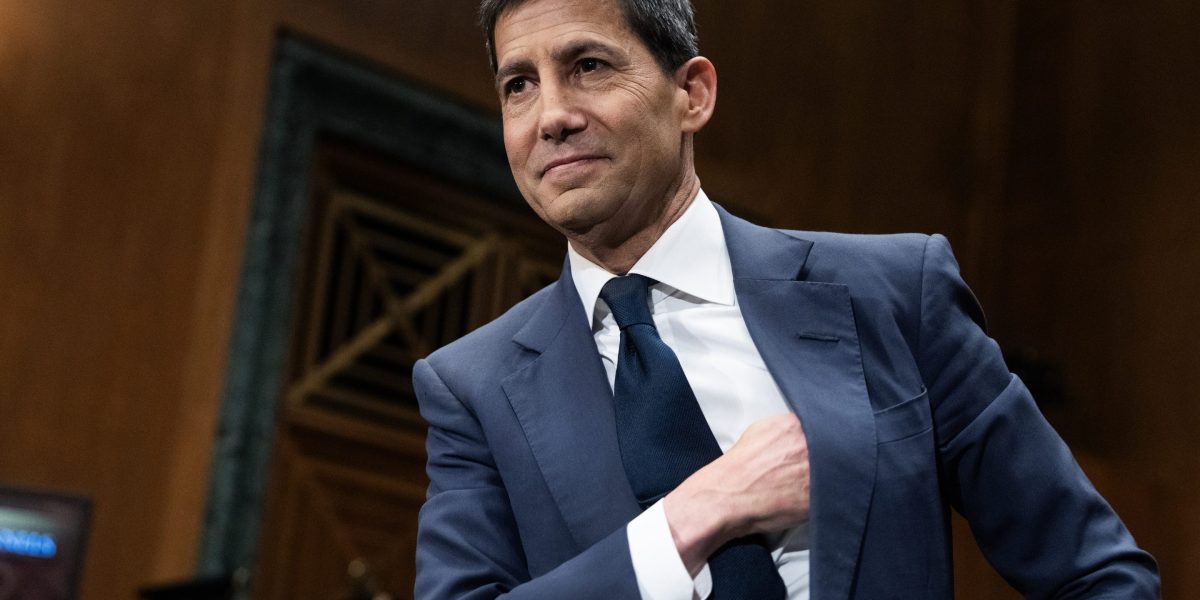
The Senate has confirmed Kevin Warsh as the new chair of the Federal Reserve, replacing Jerome Powell. Warsh, a former top Fed official, was confirmed in a 54-45 vote and will take over at a challenging time for the global economy. Inflation has topped the Fed’s 2% target for five years and is rising faster due to spiking gas prices. The Fed’s interest rate-setting committee is divided, and Powell plans to remain on the Fed’s board even after his term as chair ends.
Our Reading
The numbers tell one story. Kevin Warsh, a millionaire investor, takes the helm of the Federal Reserve, promising to be an independent actor. But his past criticism of the Fed’s leadership and his ties to Trump have raised concerns about his ability to set rates based on economic conditions. The Fed faces difficult economic conditions, including a 50% spike in gas prices and rising inflation. Warsh has promised to sell his assets within 90 days of being sworn in, but his wealth and investments have sparked controversy.
Warsh’s confirmation comes after a contentious process, with some senators criticizing his lack of transparency about his wealth and investments. The Fed’s rate-setting committee is divided, and Warsh’s ability to engineer rate reductions will be closely watched. Meanwhile, Powell’s decision to remain on the Fed’s board has raised questions about a potential competing power center.
The situation is a familiar one: a new leader takes the reins at the Fed, promising independence and transparency, but facing significant challenges and controversies. The markets will be watching closely to see how Warsh navigates these challenges and sets the course for the Fed’s future.
One thing is clear: the Fed’s independence is being tested, and Warsh’s leadership will be scrutinized closely.
Author: Evan Null