Source: BroBible
Summary
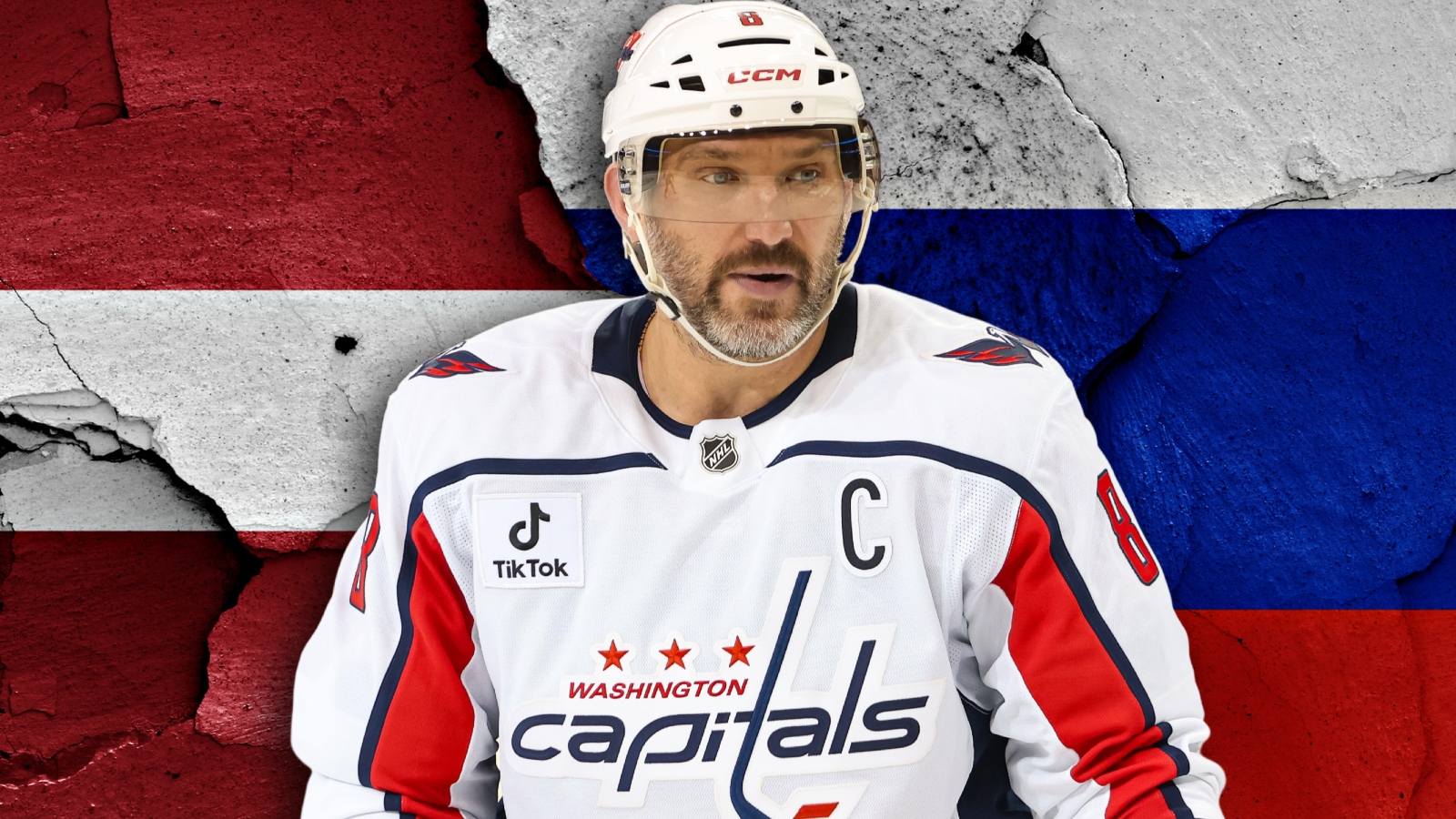
Alex Ovechkin, a 41-year-old NHL player, was banned from entering Latvia after appearing in a political ad for United Russia, a party aligned with Vladimir Putin. The country’s foreign affairs minister announced the ban, citing his involvement in the ad. Ovechkin defended his decision, stating he supports peace and plans to live in Russia after his hockey career. Latvia’s move follows similar actions against other Russian figures.
Our Reading
The routine arrives with confidence.
Ovechkin’s Russia ties are not new. He’s been there for offseasons. Now he’s there in ads, too.
Supporting Putin’s party is a habit that comes with consequences.
Latvia’s ban is a small step, but it’s a step.
Being Russian is a lifestyle, not a choice.
Author: Evan Null
Latvia’s Decision and Ovechkin’s Stance
Latvia’s decision to ban Alex Ovechkin came after he appeared in a pro-Putin ad, which sparked controversy. The country’s foreign affairs minister, Baiba Braže, stated the move was due to his association with the political party. Ovechkin, who was born in Moscow, has long maintained ties to Russia. His recent comments about supporting peace and his intention to live in Russia after retiring further complicated the situation.
Political Ads and Athlete Involvement
Ovechkin’s appearance in the ad for United Russia, a party linked to Putin, drew criticism from fans and officials. The ad was seen as aligning with the Russian government’s stance on the Ukraine conflict. Despite the backlash, Ovechkin defended his participation, stating he was unaware of the identities of some individuals in the video. His comments highlighted the complex relationship between athletes and political movements.
Impact on NHL and International Relations
The controversy surrounding Ovechkin has raised questions about the role of athletes in political matters. Russian NHL players have faced challenges due to the ongoing war with Ukraine, with many caught between their careers and their homeland. Ovechkin’s stance has placed him in a difficult position, balancing his loyalty to Russia with the global response to the conflict.
Broader Implications of the Ban
Latvia’s ban on Ovechkin is not just a personal decision but a reflection of international tensions. It sends a message about the consequences of political affiliations. The move also affects how athletes are perceived in global sports, where political neutrality is often expected but rarely achieved. Ovechkin’s situation underscores the intersection of sports and politics in the modern era.
Future of Ovechkin’s Career and Legacy
Ovechkin’s future in the NHL remains uncertain as the controversy continues. His decision to support a pro-Putin party has drawn scrutiny, and the ban from Latvia adds another layer to his public image. As he prepares for his 22nd season with the Capitals, the political implications of his actions may influence how he is viewed both on and off the ice. His legacy may now be shaped as much by his political choices as by his hockey achievements.