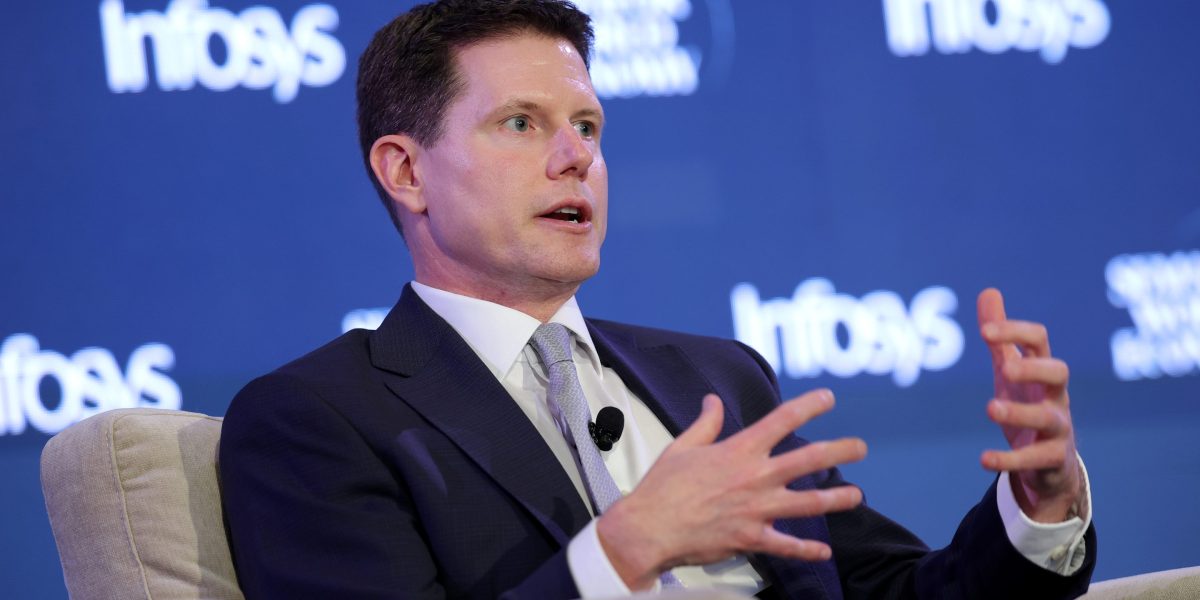
Source: Fortune
Summary
College enrollments are declining, and tuition revenue is falling, pushing many universities into financial deficits. Syracuse University Chancellor J. Michael Haynie called for change, saying the old ways are no longer sufficient. Meanwhile, AI use among students is rising, with studies showing mixed effects on learning outcomes. A MIT study found AI is disrupting traditional education, making it harder to assess student progress. OECD data shows a decline in student performance, adding pressure on institutions. Some universities are exploring AI to enhance learning, while others are revisiting traditional methods like oral exams and reasoning assessments.
Our Reading
The numbers tell one story.
Colleges face budget deficits and declining enrollments.
AI is changing how students learn and how schools assess them.
Traditional methods like oral exams are making a comeback.
Universities are trying to balance tech and tradition.
Universities are rethinking how to measure student progress as AI reshapes learning. Some are looking to old methods like oral exams to test reasoning. AI is being used to support, not replace, human instruction. Financial pressures are forcing schools to find new ways to deliver value. The challenge is to adapt without losing the core purpose of education.
Author: Evan Null
“No one…[has] it all figured out.” Have colleges forgotten their purpose?
Colleges are struggling with declining enrollments and financial losses. Tuition revenue is down, and students are feeling the impact through higher costs and fewer resources. AI is changing how students learn, but it’s also complicating assessments. Some studies show AI improves homework scores but hurts exam performance. The MIT report highlights how AI is disrupting the educational experience, making it harder to measure student progress. The OECD data shows a global decline in student performance, adding to the pressure on universities.
Students are less prepared than in the past, and AI use is making things more complicated. Colleges are trying to find a balance between technology and traditional teaching. Some institutions are using AI to help students, while others are looking to old methods like oral exams. The challenge is to maintain educational quality while adapting to new realities. The question is whether colleges can evolve without losing their core mission.
The use of AI in education is growing, but it’s not a silver bullet. Some studies show it can help students, but others warn of negative effects on learning. Colleges are under pressure to find new ways to teach and assess students. The financial crisis is forcing schools to make tough decisions about resources and priorities. The focus is on whether education can keep up with the changing world.
Universities are at a crossroads. They need to find new ways to deliver value while managing financial challenges. AI is part of the solution, but it’s not the only answer. Traditional methods like oral exams are being revisited for their effectiveness. The goal is to create a learning environment that prepares students for the future. The question is whether colleges can adapt without losing their identity.
The pressure on colleges is intense. They need to respond to financial challenges, changing student needs, and the rise of AI. Some are finding success by combining technology with traditional approaches. Others are struggling to keep up. The future of higher education depends on how well institutions can adapt to these new realities. The challenge is to maintain quality while making necessary changes.
Stop caring if students use AI
Colleges need to stop focusing on whether students use AI and instead focus on how it can help them learn. AI is already part of the educational landscape, and banning it won’t stop students from using it. The real issue is how to use AI to enhance learning, not replace it. Colleges must shift their focus from outputs like essays and exams to developing critical thinking and problem-solving skills. Employers value these skills more than AI proficiency, so the curriculum needs to reflect that.
The current approach to education is too focused on grades and test scores. AI can help students develop deeper understanding by forcing them to explain their reasoning. This shift would align with what employers are looking for, like adaptability and critical thinking. Colleges need to rethink their teaching methods to prepare students for the real world. The goal is to create a learning environment that fosters growth and development.
AI can be a tool for enhancing education, not a replacement for it. It can help students develop the skills they need to succeed. The key is to use AI in a way that supports learning, not just produces results. Colleges must find a balance between technology and traditional methods. The focus should be on preparing students for the future, not just passing exams. The challenge is to create a curriculum that meets the needs of a changing world.
The shift in education must be about more than just using AI. It’s about redefining what it means to learn. Colleges need to focus on developing students’ abilities to think critically and solve problems. This requires a change in how education is structured and delivered. The goal is to create a learning experience that prepares students for the challenges they will face. The future of education depends on this transformation.
Colleges must adapt to the changing educational landscape. They need to find new ways to teach and assess students that reflect the realities of the modern world. AI can be a valuable tool in this process, but it’s not a solution on its own. The focus should be on developing students’ skills and abilities, not just their grades. The challenge is to create an educational system that is both effective and relevant.
Look to traditional approaches for a future solution
Some universities have long-standing traditions of testing students’ ability to explain and rationalize their theories. In the UK, Oxford and Cambridge require students to write essays and discuss them with tutors. In France, students in classes préparatoires sit weekly oral exams to test problem-solving and knowledge depth. These methods focus on reasoning rather than just output. However, they are slow, expensive, and hard to scale. Even top institutions struggle to replicate them.
The solution might be to use AI to enhance these traditional methods. An AI can hold weekly “explain your reasoning” conversations with students, flagging those who need human help. This makes one-to-few tutorials more affordable and allows lecturers to oversee more students without sacrificing quality. Students get to practice explaining their logic and defending their arguments. This approach combines the best of both worlds: tradition and technology.
AI can help scale traditional methods of assessment and teaching. It can provide personalized support and consistent feedback, making it easier for lecturers to manage large classes. This approach allows students to develop critical thinking and problem-solving skills. It also helps institutions manage costs and improve the learning experience. The goal is to create a system that is both effective and sustainable.
Some universities are already experimenting with AI to enhance learning. The University of Wollongong uses an AI agent to guide first-year students, ensuring academic integrity and personalized support. Student teachers are using AI to practice handling complex situations. These examples show how AI can be used to support education rather than replace it. The key is to use technology in a way that enhances the learning experience.
The future of education may lie in combining traditional methods with AI. This approach can help students develop the skills they need to succeed while making education more accessible and affordable. The challenge is to find the right balance between technology and tradition. The goal is to create a learning environment that prepares students for the future without losing the core values of education.
Adapt or be left behind
Universities must adapt to survive. The financial crisis and the rise of AI are forcing institutions to rethink their approach to education. Prohibiting AI will only encourage its misuse, as students will find ways to use it regardless. Instead, AI should be used to challenge students and improve their learning. Traditional methods like oral exams and reasoning assessments can be scaled with AI, making them more accessible and effective. This approach can help reduce costs and improve the learning experience.
The key is to use AI to enhance, not replace, the educational experience. It can help students develop critical thinking and problem-solving skills, which are valued by employers. Colleges need to focus on preparing students for the real world, not just passing exams. The challenge is to create a system that is both effective and sustainable. The institutions that fail to adapt will be left behind.
The future of higher education depends on how well institutions can evolve. They need to find new ways to deliver value while managing financial challenges. AI can be a valuable tool in this process, but it’s not a solution on its own. The focus should be on developing students’ abilities to think critically and solve problems. The goal is to create a learning environment that prepares students for the future.
Colleges must balance tradition with innovation. They need to find ways to use AI to enhance learning without losing the core values of education. The financial crisis is forcing schools to make tough decisions about resources and priorities. The challenge is to maintain quality while making necessary changes. The institutions that adapt will thrive, while those that don’t will struggle.
The pressure on colleges is intense. They need to respond to financial challenges, changing student needs, and the rise of AI. Some are finding success by combining technology with traditional approaches. Others are struggling to keep up. The future of higher education depends on how well institutions can adapt to these new realities. The challenge is to maintain quality while making necessary changes.