Source: Fortune.com
Summary
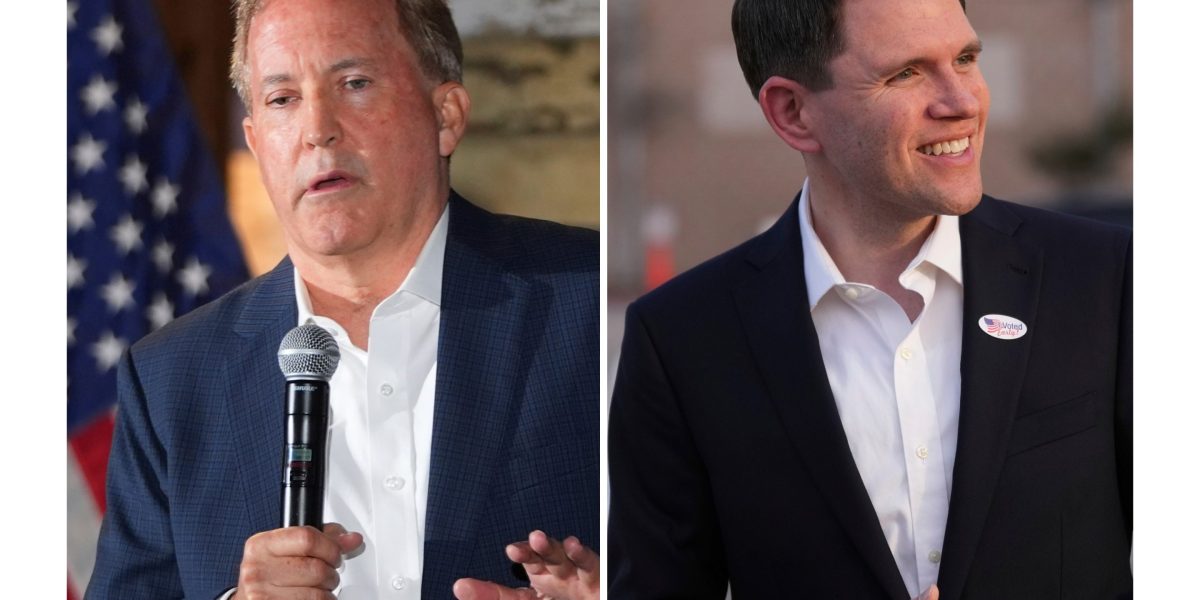
MAGA, Inc. has spent $10 million on TV and digital ads in the Texas Senate race, according to a Federal Election Commission filing. The ads target Democrat candidate James Talarico, who is running against Republican Ken Paxton. MAGA, Inc. claims Talarico supports broad tax hikes, while his campaign denies the allegations. Trump has said he will spend his own money as he sees fit, with at least $400 million in funds available for GOP candidates. Trump endorsed Paxton, despite his public scandals and lack of telegenic appeal.
Our Reading
The numbers tell one story.
MAGA, Inc. spends $10 million in a key Senate race.
Talarico faces ads claiming tax hikes, which he denies.
Trump insists the money is his to spend as he sees fit.
Republicans want more spending, but Trump is slow to act.
Author: Evan Null
Political Spending and Messaging
MAGA, Inc. has launched a major ad campaign in the Texas Senate race, spending $10 million on TV and digital ads. The ads focus on taxes, a key issue for voters. The messaging aims to paint Talarico as a tax-hiking liberal, while his campaign claims the ads are misleading.
The Texas race is seen as a bellwether for the midterms, with Democrats hoping to gain control of the Senate. Trump’s endorsement helped Paxton win the Republican primary, but the general election is now the focus. The ads are part of a broader strategy to influence the outcome.
Tax policy is central to the race, with Talarico supporting higher taxes on the wealthy. The ads claim he wants to raise taxes on all Texans, which he denies. The messaging is designed to appeal to voters concerned about inflation and rising costs.
MAGA, Inc. has a war chest of at least $400 million, but Trump has been slow to deploy the funds. He has said he will spend the money as he sees fit, and has hinted at saving some for 2028. The timing of the spending is critical for the midterms.
Trump’s support for Paxton has raised questions, given his scandals and lack of charisma. But the president insists Paxton is the best candidate available. The race highlights the tension between party loyalty and candidate viability.
Trump’s Spending Strategy
Trump has emphasized that the $400 million in funds is his to spend as he sees fit. He has said he could hold some of the money for the 2028 elections, even though he is barred from running again. This statement underscores his control over the money and his long-term political strategy.
The president has been reluctant to spend the funds quickly, despite pressure from GOP candidates. Some Republicans have expressed frustration, but Trump remains focused on his own timeline. His control over the money gives him significant influence over the midterms.
Trump’s comments about the 2028 election suggest he is thinking beyond the current cycle. While he cannot run again, his influence on the party and candidates remains strong. The timing of his spending could shape the political landscape for years to come.
The president’s stance on spending reflects his broader approach to politics: he moves on his own terms, regardless of external pressure. This attitude has been consistent throughout his career, and it continues to define his role in the 2026 midterms.
Trump’s control over the funds gives him a unique advantage in shaping the outcome of the race. His decisions on where and when to spend will have a major impact on the election and the future of the Republican Party.
The Texas Senate Race
The Texas Senate race has become a key battleground in the 2026 midterms. With a Democratic candidate, James Talarico, challenging Republican Ken Paxton, the race has drawn significant attention. The outcome could signal broader trends in the political map.
Talarico, a 37-year-old state representative, has positioned himself as a progressive candidate. His campaign has focused on tax policy, with a platform that includes higher taxes on the wealthy. This stance has drawn criticism from MAGA, Inc., which has launched a major ad campaign against him.
Paxton, the Republican nominee, has faced public scandals, but Trump’s endorsement helped him win the primary. Despite this, he is seen as a less telegenic candidate, which has raised concerns about his viability in the general election.
The race highlights the challenges facing both parties. Democrats are hoping to gain ground, while Republicans are trying to hold onto their seats. The outcome could have major implications for the balance of power in the Senate.
The Texas race is more than just a local contest—it is a symbol of the broader political battle. The way it plays out could influence the entire midterm election and the future of both parties.
Tax Policy and Voter Concerns
Tax policy is a central issue in the Texas Senate race, with both candidates making it a key part of their messaging. Voters are concerned about inflation and rising costs, making taxes a top priority. This has shaped the campaign strategies of both Talarico and Paxton.
Talarico has supported higher taxes on the wealthy, which he argues will help fund public services. His campaign has emphasized this stance, but MAGA, Inc. has launched ads claiming he wants to raise taxes on all Texans. This has created a major point of contention in the race.
Paxton, on the other hand, has positioned himself as a tax-cutting candidate. His campaign has highlighted his support for tax breaks for families and first-time homebuyers. This messaging is designed to appeal to voters who are worried about the cost of living.
The focus on taxes reflects broader voter concerns about the economy. With inflation still a major issue, candidates are using tax policy as a way to connect with voters. This has made the issue a key battleground in the race.
The debate over tax policy is not just about numbers—it’s about how candidates are perceived. Voters are looking for leaders who can address their concerns, and the way candidates frame their positions on taxes will play a major role in the outcome.
Trump’s Influence and Party Dynamics
Trump’s influence on the Republican Party remains strong, even as he faces challenges in the 2026 midterms. His endorsement of Ken Paxton in the Texas Senate race has been a key factor in the candidate’s campaign, despite his public scandals and lack of charisma.
Trump has also been the source of a significant war chest, with at least $400 million in funds available for GOP candidates. However, he has been slow to deploy the money, citing his own timeline. This has led to frustration among some Republicans, who are eager for more support.
Despite this, Trump remains a central figure in the party. His ability to raise and spend money gives him a unique position of power, and his decisions on where and when to spend will shape the outcome of the midterms. His influence extends beyond the current cycle, as he has hinted at saving some funds for 2028.
The tension between Trump and other Republicans highlights the challenges of party unity. While some candidates rely on his support, others are wary of his influence. This dynamic is shaping the political landscape and will continue to play a role in the coming years.
Trump’s control over the money and his ability to shape the narrative of the race underscore his continued dominance in the party. His actions will have a lasting impact on the political future of both the Republican Party and the country as a whole.