Source: Fox News
Summary
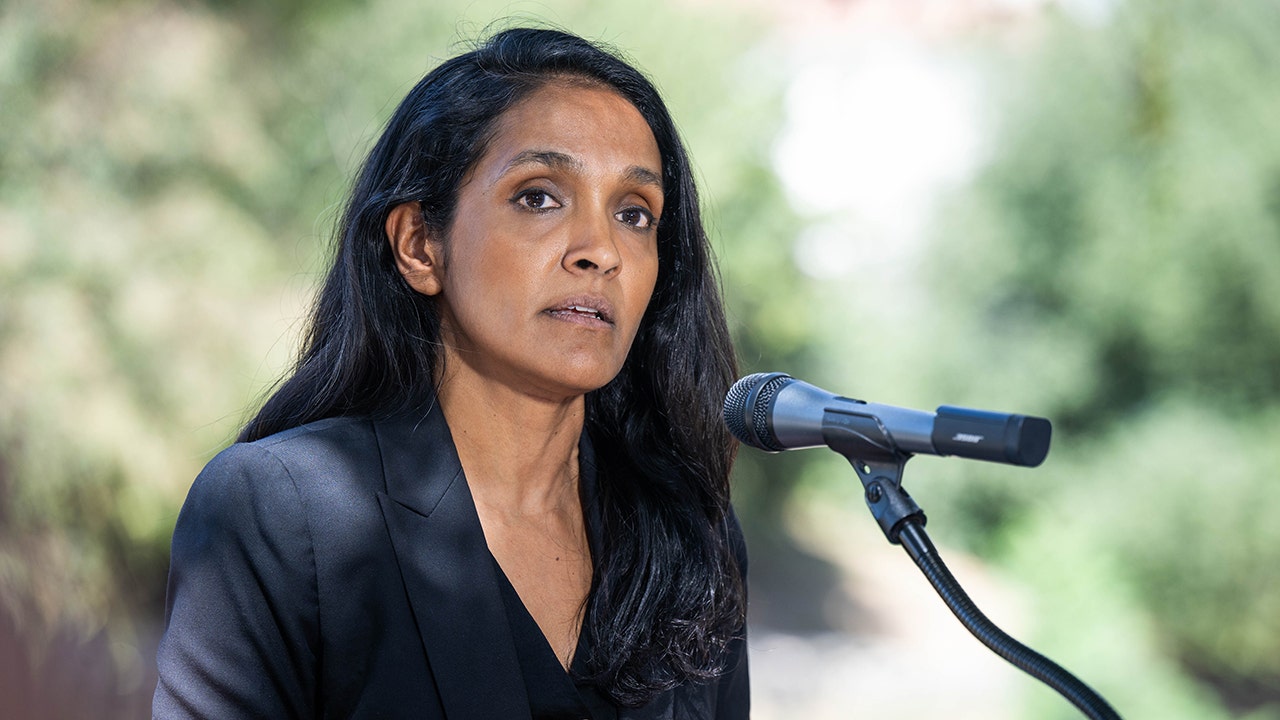
Nithya Raman, a leading candidate for Los Angeles mayor, defended her appearance on Hasan Piker’s show and her use of the term “genocide” to describe Israel’s actions in Gaza during a Jewish community forum. She said candidates must “meet people where they’re at” and rejected the idea that her appearance endorsed Piker’s views. Raman also reaffirmed her use of the term “genocide,” citing unnamed experts. Jewish groups expressed concern over her remarks, with some calling her statements alarming.
Our Reading
As expected, the matter has reached another stage.
Raman stood before a Jewish crowd and repeated her stance.
She cited experts and refused to back down.
Her words drew sharp criticism from Jewish leaders.
Another moment where politics and identity collide.
Author: Evan Null
Forum Turns Into Debate
Raman’s appearance at the Jewish community forum brought her views on Israel and Gaza into sharp focus. She faced direct questions about her use of the term “genocide” and her decision to appear on Hasan Piker’s show. The event quickly turned into a series of exchanges that highlighted the tension between her progressive stance and the concerns of Jewish voters.
She defended her appearance by saying candidates must engage with voters across different platforms. However, this explanation did little to ease the concerns of those in the audience who felt her remarks were harmful. The forum became a stage for her to reaffirm her positions, even as critics warned of the potential impact on her campaign.
The moderator noted that many in the audience viewed her appearance on Piker’s show as “deeply hurtful.” Raman’s response emphasized her commitment to reaching voters, even when she disagreed with the platforms they used. This stance, however, did not sit well with all attendees, who saw it as a failure to recognize the sensitivity of the situation.
Her use of the term “genocide” was another point of contention. While she acknowledged the term’s historical weight, she maintained that experts had used it and that she felt compelled to speak out. This explanation, however, did little to quell the concerns of Jewish leaders who argued that the term was being misused.
The forum ended with a clear divide between Raman’s supporters and critics. While she continued to push her message, the event underscored the challenges she faces in gaining the trust of Jewish voters in a highly polarized political climate.
Controversial Platform and Public Reaction
Raman’s decision to appear on Hasan Piker’s show was met with strong reactions from the Jewish community. Many viewed it as a problematic choice, given Piker’s past remarks about Jews and his association with groups like Hamas. Raman defended the appearance by saying she needed to meet people where they were, but this reasoning did little to ease the concerns of those in the audience.
Her use of the term “genocide” to describe Israel’s actions in Gaza also sparked debate. While she cited experts, critics argued that the term was being used without sufficient evidence. The forum became a space where her views were scrutinized, and her responses were met with both support and criticism.
The event highlighted the challenges of navigating political discourse in a diverse and sensitive environment. Raman’s presence at the forum brought her positions into the spotlight, and her responses were seen as both a defense of her stance and a potential risk to her campaign.
As the discussion continued, it became clear that her remarks were not just political statements but also symbolic of broader tensions within the community. The forum served as a microcosm of the larger debates about identity, language, and political engagement.
The outcome of the event left many wondering how Raman would navigate the delicate balance between her progressive views and the concerns of Jewish voters. It was a moment that underscored the complexity of political engagement in a divided society.
Public Safety and Community Concerns
The forum also touched on other issues of concern to the Jewish community, including public safety and homelessness. While these topics were not the primary focus, they provided context for the broader concerns that voters had about the candidates. Raman and Mayor Karen Bass were both questioned on these issues, but the discussion quickly returned to Israel and Gaza.
Public safety was a recurring theme, with attendees expressing concerns about the impact of rising crime rates on their communities. Raman and Bass both addressed these issues, but the conversation often shifted back to the more contentious topics of Israel and antisemitism. This pattern highlighted the challenges of addressing multiple concerns in a single forum.
Homelessness was another issue that came up during the event. Raman and Bass both spoke about their plans to address the issue, but the discussion was often interrupted by questions about Israel and the use of the term “genocide.” This dynamic illustrated the difficulty of maintaining focus on a range of issues in a political setting.
The forum also included questions about antisemitism, with attendees asking how the candidates planned to address concerns about rising anti-Jewish sentiment. Raman and Bass both responded, but the conversation was often dominated by the more controversial topics. This shift in focus reflected the broader political climate and the challenges of addressing multiple issues in a single event.
Despite the focus on Israel and Gaza, the forum provided a platform for discussing a range of issues that were important to the Jewish community. The event highlighted the complexity of political engagement and the challenges of addressing multiple concerns in a single setting.
Political Rhetoric and Public Perception
Raman’s rhetoric during the forum was marked by a clear commitment to her views, even in the face of criticism. She repeated her stance on the term “genocide” and defended her appearance on Piker’s show, framing it as a necessary step in engaging with voters. However, her responses were seen by some as dismissive of the concerns raised by the audience.
The way she addressed the issue of antisemitism also drew attention. While she claimed to have consistently spoken out against it, her actions and words were scrutinized by those in the audience. This tension between her public statements and the perception of her actions highlighted the challenges of maintaining credibility in a polarized environment.
Her defense of the BDS movement was another point of contention. While she argued that it was a legitimate form of protest, critics saw it as a form of discrimination. This divide underscored the broader debate about the role of activism in political discourse and the impact of such movements on public perception.
The forum also revealed the difficulty of navigating political language in a sensitive context. Raman’s use of terms like “genocide” was seen as both a statement of principle and a potential source of division. The way she framed her arguments reflected the broader challenges of political communication in a diverse and often divided society.
Ultimately, the event served as a reminder of the power of rhetoric in shaping public perception. Raman’s words and actions were scrutinized, and the way she responded to criticism reflected the broader dynamics of political engagement in a highly charged environment.
Impact on the Mayoral Race
Raman’s performance at the Jewish community forum had clear implications for her mayoral campaign. The event brought her views into the spotlight and exposed her to both support and criticism. While she maintained her stance, the reactions from the audience suggested that her position on Israel and Gaza could be a significant challenge in the upcoming election.
The forum also highlighted the broader challenges facing progressive candidates in a diverse political landscape. Raman’s views on Israel and her association with figures like Hasan Piker were seen as potential liabilities, especially among Jewish voters. This dynamic underscored the difficulty of balancing progressive values with the need to appeal to a broad electorate.
The event also brought attention to the role of the Democratic Socialists of America in the race. Raman’s endorsement by the group was a key factor in her campaign, but her association with figures like Piker raised questions about the alignment of her views with those of the organization. This connection added another layer of complexity to her campaign.
As the race for mayor of Los Angeles moves forward, the impact of the forum will likely be felt in the way Raman is perceived by voters. The event served as a test of her ability to navigate sensitive issues and maintain support among different groups. The outcome of the election will depend on how well she can address these concerns and build a broad base of support.
The forum was a pivotal moment in the race, and its effects will be felt in the coming weeks as the campaign continues to unfold. The way Raman handles the fallout from the event will be a key factor in determining her chances of success in the November election.