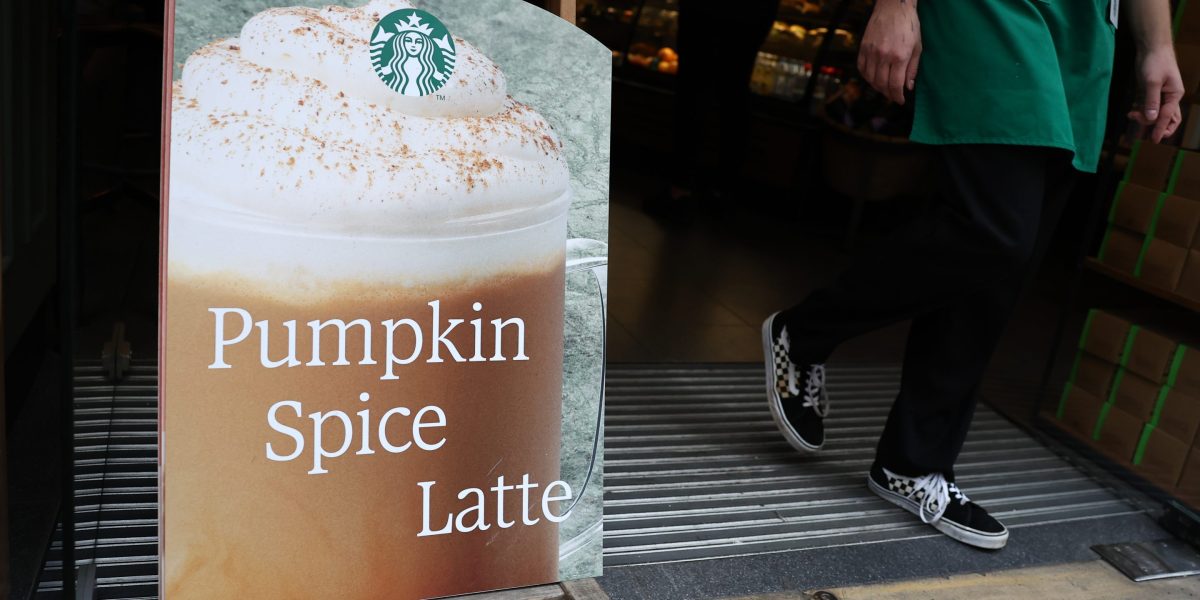
Source: Fortune
Summary
McDonald’s has removed pumpkin-spice-flavored coffee from its fall menu, replacing it with a caramel apple pie flavor. The decision reflects a broader shift in consumer preferences, with younger generations showing less loyalty to pumpkin spice. While the flavor remains popular, its dominance is waning. Starbucks and other chains continue to offer pumpkin spice but are expanding their seasonal menus. Google Trends data shows declining interest in pumpkin spice, with matcha and chai lattes gaining traction. Climate change is also influencing the timing and types of seasonal drinks offered.
Our Reading
The announcement sounds familiar.
McDonald’s drops pumpkin spice, brings in caramel apple pie.
Pumpkin spice no longer the only fall flavor on the menu.
Gen Z and millennials prefer matcha, chai, and protein drinks.
Climate change pushes seasonal drinks earlier and iced.
Flavor trends shift faster than ever, and pumpkin spice is just one of many.
Author: Evan Null
Pumpkin spice is sticking around
That isn’t to say pumpkin-spice-flavored drinks are going away; they just aren’t dominating American restaurant chains’ usual lineup of fall-themed drinks like they used to.
Starbucks, the creator of the first Pumpkin Spice Latte, launched in 2003, doubled down on the category with its biggest fall menu this year, featuring an expanded selection of drinks that now includes the Iced Pumpkin Cream Shaken Espresso, Pumpkin Spice Chai, and Iced Pumpkin Cream Matcha.
A report from food and beverage analytics company Datassential found that 37% more coffee establishments sold pumpkin-spice coffee this year compared with a year ago, CNN reported. Still, the growth in the number of establishments selling caramel apple and apple pie dwarfed pumpkin spice’s advance.
“Pumpkin-spice lattes have long since graduated from trend status … But our data shows signs that it may be reaching its peak,” Cristen Milliner, a consumer trends expert at DoorDash, told Entrepreneur.
Some coffee chains have now expanded their non-pumpkin offerings as the classic pumpkin-spice drink loses some of its luster.
Starbucks doubles down on pumpkin spice
Starbucks, the creator of the first Pumpkin Spice Latte, launched in 2003, doubled down on the category with its biggest fall menu this year, featuring an expanded selection of drinks that now includes the Iced Pumpkin Cream Shaken Espresso, Pumpkin Spice Chai, and Iced Pumpkin Cream Matcha.
The company continues to be a major player in the pumpkin spice market, despite the overall decline in popularity. Starbucks has also added new drinks alongside its pumpkin-spice offerings, including pecan-flavored drinks, banana-bread-flavored drinks, and a chai and cider iced drink called “Chaider.”
Despite the trend toward other flavors, pumpkin spice remains a staple for many customers. The brand’s commitment to the flavor shows that it still has a place in the seasonal drink market, even if it’s no longer the dominant force it once was.
Starbucks’ approach reflects a balance between maintaining tradition and adapting to changing consumer preferences.
The company’s continued investment in pumpkin spice suggests that it’s not ready to let go of the flavor, even as it explores new options for its customers.
Climate change and the changing fall season
Climate change has added a new wrinkle to the subject of pumpkin spice, the flavor usually associated with cooler weather and the coming of autumn. As the continental United States marked its hottest month on record in July, according to the National Oceanic and Atmospheric Administration, some chains have started launching their seasonal drinks earlier in August to adapt.
Almost all offer iced or frozen versions of their pumpkin-flavored offerings to suit a warming world with prolonged summers. This shift reflects a broader adaptation to changing weather patterns and consumer expectations.
The timing of seasonal drinks has become more flexible, with companies adjusting their strategies to match the realities of a warming climate. This has led to earlier launches and more variety in drink options.
As temperatures rise, the traditional fall season is becoming less predictable, and companies are responding by adjusting their menus and product offerings accordingly.
Climate change is not just affecting the environment—it’s also reshaping the way businesses operate and what consumers expect from seasonal products.
Gen Z and the rise of new flavors
While an Empower survey from 2025 shows Gen Z customers are slightly more likely than millennials to buy pumpkin-spice-flavored coffee, they aren’t sticking to one flavor. These younger customers have also recently fueled interest for a variety of different types of drinks as evidenced by the recent spike in demand for drinks which include protein and matcha.
The demand for protein was so intense last year it led to a flurry of new product offerings, including from Starbucks. Meanwhile Gen Z’s hunger for matcha led to shortages of the tea powder worldwide.
Search data adds more evidence that pumpkin flavors may be past their peak. Data from Google Trends shows searches for “pumpkin spice latte” surging on cue, as the fall season approaches, but only dominating searches in three states as of late August, a sharp drop from 32 states at this point in 2025 and 48 states in 2024.
Other standout flavors like matcha and chai lattes dominated searches instead, according to the Washington Post. And over 260% more people searched for “matcha latte” than “pumpkin spice latte,” according to Google Trends data reported by the New York Post.
Gen Z’s diverse tastes are driving the demand for new and varied drink options, which is pushing companies to expand their menus and offer more choices.
McDonald’s and the fall flavor wars
McDonald’s has never been as closely associated with the drink flavor as other chains, particularly Starbucks and New England’s Dunkin’, the company’s decision not to offer it at all says something about where we stand in the fall flavor wars.
The company’s move to replace pumpkin spice with a caramel apple pie flavor signals a shift in how fast-food chains are approaching seasonal drinks. It also reflects a broader trend of companies diversifying their offerings to appeal to changing consumer preferences.
While McDonald’s may not be the leader in pumpkin spice, its decision to drop the flavor shows that even major players are adapting to the evolving market. This move could influence other chains to follow suit, especially as consumer interest in pumpkin spice declines.
McDonald’s strategy highlights the importance of staying relevant in a competitive market, where consumer preferences can shift quickly and companies must be ready to change their approach.
The fall flavor wars are no longer just about pumpkin spice; they’re about adapting to new trends and offering a wider range of options to customers.