Source: Fortune
Summary
Jeff La Marca, a 68-year-old with severe obesity and health issues, was denied access to a Medicare GLP-1 discount program due to his obstructive sleep apnea diagnosis. The program, which offers GLP-1 medications for $50 a month, excludes patients with conditions like sleep apnea or diabetes, even if they qualify based on BMI. La Marca, who has a BMI of 42, said he is “livid” after being rejected. The program, launched in July, aims to test whether covering GLP-1s for weight loss could save Medicare money. However, patients with qualifying medical conditions are routed back to their Part D plans, which can charge hundreds of dollars per month.
Our Reading
The numbers tell one story.
Medicare’s GLP-1 Bridge program targets weight loss, not medical conditions.
Patients with sleep apnea or diabetes are excluded, even if they meet BMI criteria.
Eligibility hinges on whether the drug is for weight loss or treatment.
The program’s design leaves the most vulnerable patients behind.
Author: Evan Null
Jeff La Marca’s Struggle
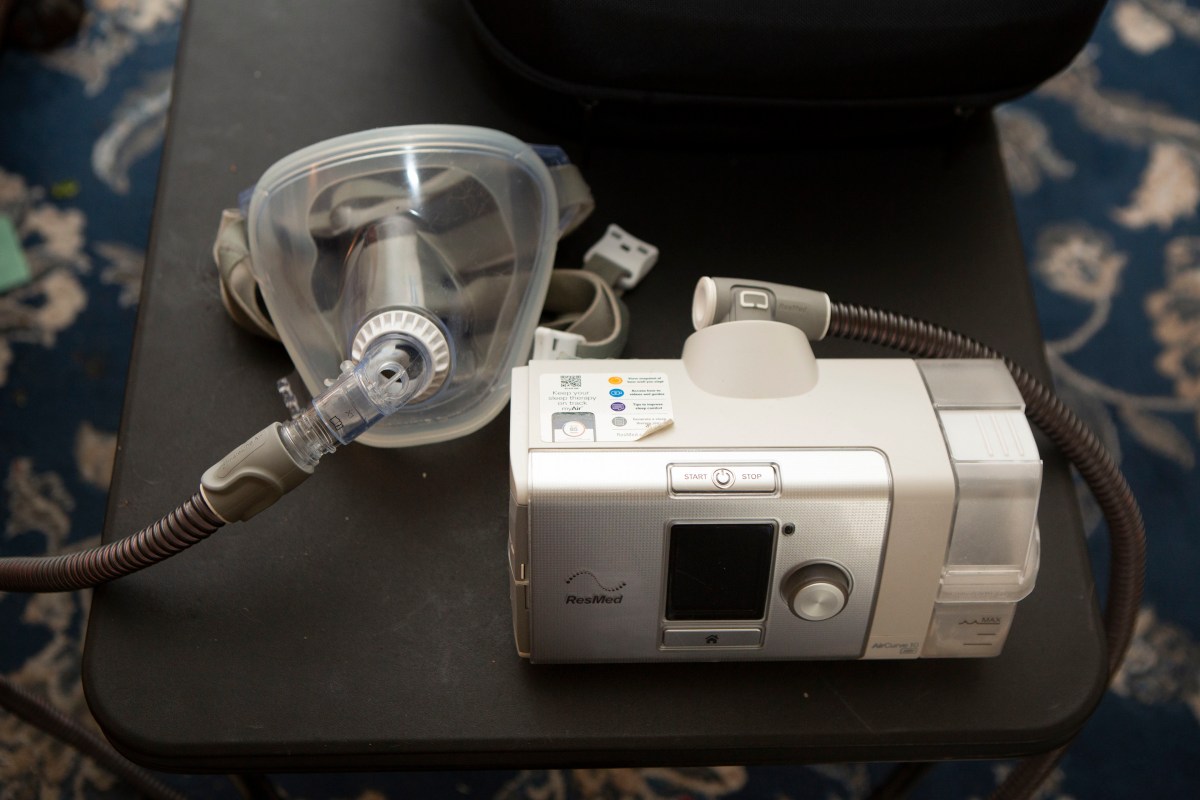
Jeff La Marca, a 68-year-old man from Basking Ridge, New Jersey, was denied access to a Medicare GLP-1 discount program. He has severe obstructive sleep apnea, which excluded him from the program, despite his obesity and health risks. La Marca, who has a BMI of 42, said he is “livid” after being rejected. He has tried numerous diets and exercise regimes but found no relief. His condition makes him eligible for the program only if the drug is for weight loss, not for treating his sleep apnea.
The Medicare GLP-1 Bridge Program
The Medicare GLP-1 Bridge program, launched in July, offers coverage of three GLP-1 medications for weight loss. It is a short-term pilot to see if covering these drugs could save Medicare money. Eligible patients must have Medicare Part D, a prescription drug coverage add-on. However, the program excludes patients with conditions like sleep apnea or diabetes, even if they meet BMI criteria. This has left many patients, like La Marca, in a difficult position.
Eligibility and Exclusions
The program includes Wegovy, Zepbound, and Foundayo. Patients with a BMI of 35 or higher qualify if prescribed for weight loss. Those with a BMI of 27 to 34 can qualify if they also have conditions like prediabetes or cardiovascular disease. However, patients with medical conditions approved for GLP-1 treatment, such as sleep apnea, are excluded. This distinction has caused confusion and frustration among patients who believe they should qualify.
Cost and Coverage Issues
The $50 monthly price under the Bridge program applies only to those using the drug solely for weight loss. Patients with qualifying medical conditions are routed back to their Part D plans, which can charge hundreds of dollars a month. This has left many patients, like La Marca, facing high costs despite their health needs. The program’s design has raised questions about its effectiveness in addressing the needs of the most vulnerable patients.
Impact on Patients and Providers
Primary care physicians like Taylor Lacy have criticized the program for leaving behind patients with the greatest medical need. Many Medicare patients face high out-of-pocket costs and lengthy approval processes. Researchers have found that almost all plans now require prior authorization, making it harder to get GLP-1s. The program’s initial weeks have been positive, but many patients remain in limbo, unable to access the care they need.