Source: Fox News Digital
Justin Tye Speaks Out Against Changing Demographics in Warren, Michigan
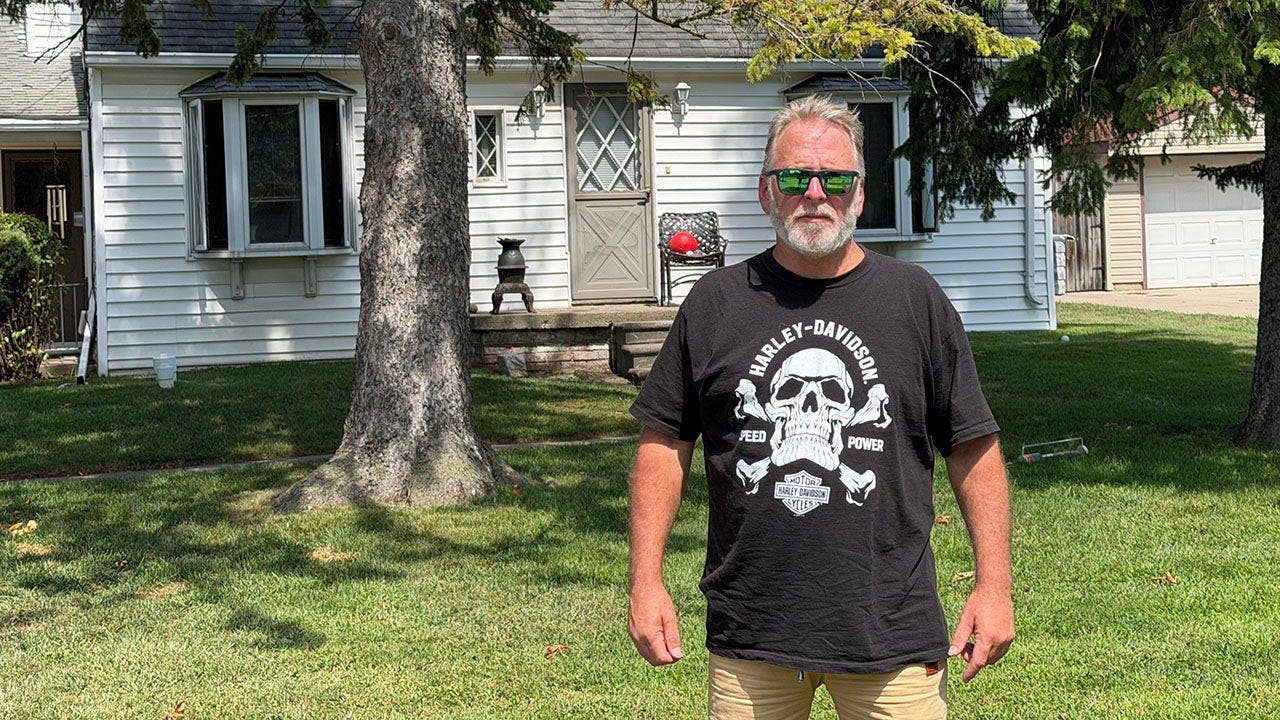
A Michigan man named Justin Tye, 57, from Warren, Michigan, has faced backlash after speaking out against the growing Islamic population in his town. Tye said he was doxxed after a Fox News Digital story highlighted his concerns about the changes in his neighborhood. He described the transformation over the past decade, with many Muslim immigrants moving in and altering the local landscape.
Tye received hate mail, including a package with offensive stickers and feminine hygiene products. Despite the backlash, he refused to back down, stating that some things are worth the trouble. He also vowed to keep speaking out about what he sees as disrespect toward long-time residents.
Tye and his neighbors have been vocal about their concerns, noting the construction of several new mosques and the replacement of American restaurants with Muslim-run businesses. He described the situation in his neighborhood as “chaos” and said that the changes have been unsettling for many residents.
After the initial story was published, the city of Warren released a statement condemning the doxxing and emphasizing the importance of safety and respect for all residents. The city’s message stressed that while disagreement is acceptable, it should never lead to threats, harassment, or intimidation.
Despite the controversy, Tye continues to receive support from some residents in Warren. He said that people he met while running errands recognized him and expressed encouragement. He remains committed to speaking up for what he sees as the rights of long-time American residents in his community.
Local Concerns and Community Reactions
Tye’s concerns about the changing demographics in Warren have resonated with some local residents. He and his neighbors have spoken to Fox News Digital about the impact of the growing Muslim population on their community. They have pointed to the construction of new mosques and the closure of American businesses as signs of a shift in the neighborhood’s character.
One neighbor described the changes as unsettling, noting that the neighborhood feels like it is being taken over. Another said that while they are normally laid-back, the changes have caused concern. The community’s reaction highlights the tension between long-time residents and newcomers, as well as the broader debate over cultural and religious integration.
The city of Warren has responded to the controversy by emphasizing the importance of safety and respect. They have condemned the doxxing of Tye and other residents, stating that no one should feel unsafe in their own community. The city’s message also stressed that while disagreement is acceptable, it should not lead to harassment or threats.
Tye’s story reflects a broader pattern of community tensions that arise when demographic changes occur. His public stance has drawn both support and criticism, highlighting the complex nature of cultural and religious integration in American communities.
The situation in Warren is not unique, as similar concerns have been raised in other parts of the country. The debate over how to balance cultural diversity with the preservation of local traditions and values continues to be a significant issue in many communities.
Religious and Cultural Shifts in Warren
The changes in Warren have been marked by the construction of new mosques and the conversion of existing buildings into religious spaces. Tye mentioned that an old industrial machinery business and a former Baptist church have been converted into mosques. These transformations have raised concerns among some residents about the impact on the community’s identity and traditions.
One of Tye’s neighbors noted the shift in local businesses, with American restaurants being replaced by Muslim-run establishments. This change has been a source of frustration for some residents, who feel that their community is being overtaken by new cultural influences. The concerns highlight the tension between cultural preservation and the integration of new communities.
The presence of mosques and the growing Muslim population have also led to discussions about religious practices and their impact on the community. Tye described how the unannounced prayer services during Ramadan disrupted the neighborhood, causing confusion and concern among residents. These events have contributed to the sense of unease that many feel about the changes in their community.
The religious and cultural shifts in Warren have sparked a broader conversation about how to navigate the challenges of demographic change. While some residents welcome the diversity and opportunities that come with it, others feel that their way of life is being threatened. This tension is a reflection of the complex dynamics at play in communities undergoing significant transformation.
The situation in Warren underscores the challenges of balancing cultural diversity with the preservation of local traditions. As the community continues to evolve, the need for open dialogue and mutual respect becomes increasingly important. The city’s response to the controversy highlights the importance of maintaining a safe and inclusive environment for all residents.
Public Statements and Community Responses
The city of Warren has made public statements in response to the controversy, emphasizing the importance of safety and respect for all residents. They have condemned the doxxing of Justin Tye and other individuals, stating that no one should feel threatened or harassed for expressing their views. The city’s message also stressed the need for disagreement to be handled with dignity and respect.
Warren’s response highlights the growing concern over the impact of doxxing and harassment on public discourse. The city’s statement reflects a broader trend in many communities where the safety and privacy of residents are seen as essential. The message also underscores the importance of maintaining a standard of conduct that protects both the safety of neighbors and the freedom to speak openly.
Despite the controversy, Tye continues to receive support from some residents in Warren. He said that people he met while running errands recognized him and expressed encouragement. This support suggests that his concerns resonate with a portion of the community, even as others may view his statements as divisive or controversial.
The city’s response to the doxxing has been seen as a step toward addressing the underlying tensions in the community. By condemning harassment and emphasizing the importance of respect, Warren is attempting to foster a more inclusive and welcoming environment for all residents. However, the challenge of balancing different perspectives and values remains a significant issue.
The situation in Warren reflects the broader challenges faced by communities dealing with demographic changes. The city’s response and the ongoing dialogue between residents highlight the importance of finding common ground and fostering mutual understanding. As the community continues to evolve, the need for open and respectful communication becomes increasingly important.
Broader Implications and Future Outlook
The situation in Warren is part of a larger national conversation about the impact of demographic changes on local communities. As more Americans express concerns about the growing influence of different cultural and religious groups, the debate over how to navigate these changes becomes increasingly complex. The tensions in Warren reflect a broader pattern of community responses to demographic shifts.
Justin Tye’s public stance has drawn both support and criticism, highlighting the polarizing nature of the issue. His concerns about the changes in his neighborhood have resonated with some residents, while others view his statements as divisive. This divide reflects the broader challenges of addressing cultural and religious integration in a diverse society.
The city of Warren’s response to the controversy demonstrates a commitment to maintaining a safe and respectful environment for all residents. However, the challenge of balancing different perspectives and values remains a significant issue. The ongoing dialogue between residents and local leaders will be crucial in shaping the future of the community.
The situation in Warren underscores the need for open and respectful communication in the face of demographic changes. As communities continue to evolve, the ability to find common ground and foster mutual understanding will be essential. The city’s response and the ongoing discussions among residents reflect the importance of maintaining a sense of community and shared values.
As the debate over cultural and religious integration continues, the experiences of communities like Warren provide valuable insights into the challenges and opportunities of demographic change. The need for open dialogue, mutual respect, and a commitment to inclusivity will be essential in shaping the future of these communities.