Source: Fox News
Michigan Senate Race: El-Sayed’s Political Balancing Act
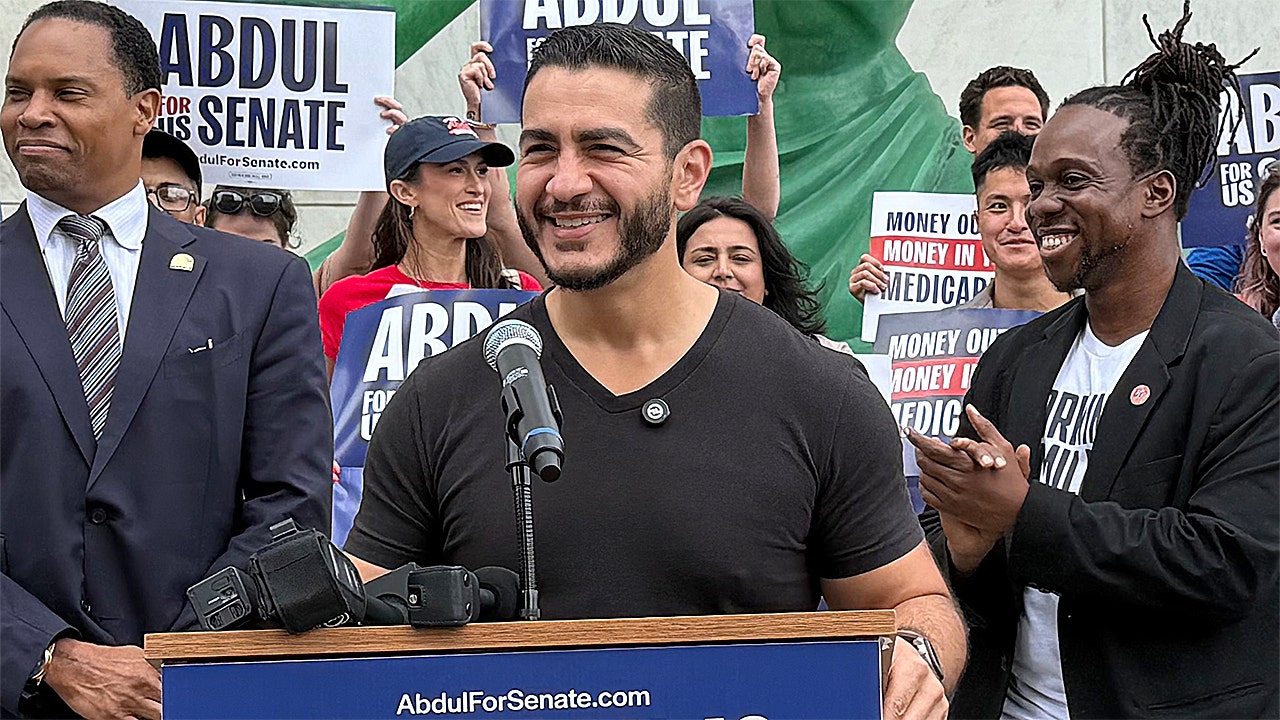
Michigan Democratic Senate candidate Abdul El-Sayed is trying to appear more moderate while maintaining ties to individuals with far-left views. Since launching his campaign in April 2025, El-Sayed has distanced himself from some of his previous positions and removed left-wing content from the internet. He has repeatedly denied being a socialist.
Despite this, El-Sayed has appeared at campaign events with and accepted endorsements from individuals with controversial records or views. He has campaigned with Twitch streamer Hasan Piker, who claimed America “deserved” 9/11, and has been linked with terror-sympathetic Islamic clerics and socialist activists.
El-Sayed’s campaign has attempted to shift focus to his Republican opponent, Mike Rogers, highlighting Rogers’ controversial associations. However, Republicans have focused on El-Sayed’s links to figures with extremist views, including Islamic clerics and socialist allies.
El-Sayed has also been associated with the Democratic Socialists of America, though he has recently distanced himself from the group. He has spoken at DSA events and received support from socialist figures like Bernie Sanders and Alexandria Ocasio-Cortez.
El-Sayed’s campaign has also faced scrutiny for his ties to Islamic leaders with controversial statements, including Imam Hassan Qazwini, who praised Hezbollah and made antisemitic remarks. El-Sayed has also been linked to the Nation of Islam, a group with racially charged teachings.
El-Sayed’s Campaign Strategy and Controversial Allies
El-Sayed’s campaign has attempted to reframe his political identity, emphasizing his belief in regulated capitalism while maintaining relationships with socialist figures. He has spoken at events for the Democratic Socialists of America and received endorsements from prominent socialist politicians.
Despite his claims of distancing himself from the left, El-Sayed has continued to associate with individuals and groups with radical views. This includes figures like Hasan Piker, who has made controversial statements about 9/11, and Islamic clerics with ties to extremist groups.
El-Sayed has also been linked to the Nation of Islam, a group with controversial racial teachings. He has accepted endorsements from leaders within the organization, including a pastor who praised Louis Farrakhan, a figure known for antisemitic remarks.
His campaign has faced criticism for these associations, particularly from Jewish voters who are concerned about his ties to individuals with extremist views. Some Jewish Democrats have defected from his campaign, citing these concerns.
El-Sayed’s campaign has responded by highlighting the controversial past of his Republican opponent, Mike Rogers, pointing to his campaign team’s associations with individuals who made offensive remarks and defended a group chat with racist and misogynistic content.
El-Sayed’s Public Statements and Political Shifts
El-Sayed has repeatedly denied being a socialist, stating that he believes in capitalism but supports regulation. However, he has maintained close ties with socialist figures, including Bernie Sanders and members of the Democratic Socialists of America.
He has spoken at multiple DSA events and received support from socialist-aligned politicians. Despite this, he has attempted to rebrand himself as a more moderate candidate, removing left-wing content from the internet and distancing himself from some of his previous positions.
El-Sayed’s campaign has also faced scrutiny for his ties to Islamic leaders with controversial views. He has appeared at events with clerics who have made antisemitic remarks and praised groups like Hezbollah. These associations have raised concerns among Jewish voters.
El-Sayed has also been linked to the Nation of Islam, a group with racially charged teachings. He has accepted endorsements from leaders within the organization, including a pastor who praised Louis Farrakhan, a figure known for antisemitic remarks.
His campaign has attempted to counter these criticisms by highlighting the controversial past of his Republican opponent, Mike Rogers, and emphasizing his own support for regulated capitalism.
El-Sayed’s Campaign and the Role of Endorsements
El-Sayed has received endorsements from a range of political figures, including socialist-aligned politicians and Islamic leaders with controversial views. These endorsements have drawn criticism from some voters, particularly Jewish Democrats who are concerned about his associations.
His campaign has attempted to reframe these relationships, emphasizing that he is not a socialist and that he supports regulated capitalism. However, his continued ties to socialist figures and Islamic leaders with extremist views have raised questions about his political alignment.
El-Sayed has also been linked to the Nation of Islam, a group with racially charged teachings. He has accepted endorsements from leaders within the organization, including a pastor who praised Louis Farrakhan, a figure known for antisemitic remarks.
His campaign has attempted to shift focus to his Republican opponent, Mike Rogers, highlighting the controversial associations within Rogers’ campaign team. However, the focus on El-Sayed’s own associations with controversial figures has remained a central issue in the race.
El-Sayed’s campaign has faced criticism for his ties to individuals with extremist views, particularly from Jewish voters who are concerned about his relationships with Islamic leaders and socialist figures.
El-Sayed’s Campaign and the Impact on Jewish Voters
El-Sayed’s campaign has faced criticism from Jewish voters due to his associations with Islamic leaders and socialist figures with controversial views. Some Jewish Democrats have defected from his campaign, citing concerns about his ties to individuals with extremist views.
His campaign has attempted to counter these criticisms by highlighting the controversial past of his Republican opponent, Mike Rogers, and emphasizing his own support for regulated capitalism. However, the focus on El-Sayed’s own associations with controversial figures has remained a central issue in the race.
El-Sayed has been linked to Islamic clerics with antisemitic remarks and has appeared at events with figures who have praised groups like Hezbollah. These associations have raised concerns among Jewish voters, who are worried about his political alignment.
His campaign has also faced scrutiny for his ties to the Nation of Islam, a group with racially charged teachings. He has accepted endorsements from leaders within the organization, including a pastor who praised Louis Farrakhan, a figure known for antisemitic remarks.
Despite these challenges, El-Sayed’s campaign continues to emphasize his support for regulated capitalism and his efforts to rebrand himself as a more moderate candidate. However, his associations with controversial figures remain a key issue in the race.