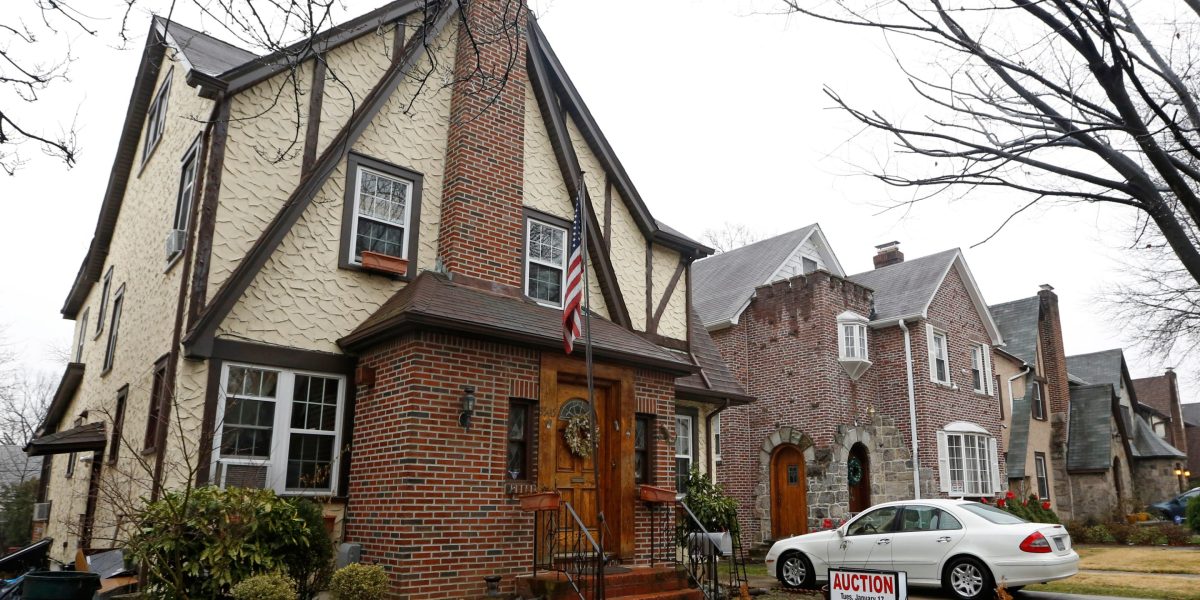
Source: Fortune.com
Summary
The housing market remains sluggish due to high borrowing costs, limited supply, and elevated prices. A recent study by the Pew Charitable Trusts found that post-2008 lending standards, while reducing defaults, have made it harder for many Americans to qualify for mortgages. Borrowers with credit scores between 600 and 699 saw a significant drop in mortgage approvals, while those with scores of 700 or higher saw an increase. The study noted that tighter standards disproportionately affect young adults, lower-income families, and minority groups. Recent data shows mortgage rates rising and home sales declining, with experts predicting further challenges in the housing market.
Our Reading
The numbers tell one story.
Lending standards have tightened since the financial crisis.
Credit scores now heavily influence mortgage approvals.
Borrowers with lower scores face more barriers.
The housing market remains under pressure with rising rates and falling sales.
Homeownership is becoming more exclusive, not just more expensive.
Author: Evan Null
Understanding the Housing Market Stagnation
The housing market has been in a state of stagnation since the end of the COVID-era boom. High borrowing costs, limited supply, and elevated home prices are often cited as the main reasons for the slowdown. However, a recent study by the Pew Charitable Trusts suggests that stricter lending rules, put in place after the 2008 financial crisis, are also playing a significant role. These rules, while effective in reducing delinquencies and defaults, have made it more difficult for many Americans to qualify for a mortgage. This has led to a situation where the housing market is not just expensive, but also less accessible to a large portion of the population.
The study highlights that the tightening of lending standards has had a disproportionate impact on certain groups, including those with moderate credit scores, young adults, lower-income families, and minority communities. The shift in mortgage originations over the past two decades shows a clear trend: borrowers with credit scores of 600-699 have seen a significant drop in mortgage approvals, while those with scores of 700 or higher have seen a substantial increase. This trend reflects a growing divide in the housing market, where access to homeownership is increasingly tied to financial stability and credit history.
According to Adam Staveski, a principal associate with Pew’s housing policy initiative, the current lending environment rewards borrowers with long credit histories and adequate financial cushions. This has led to a close correlation between credit scores and factors such as age, income, and wealth. As a result, many potential homebuyers are being excluded from the market, not because they lack the financial means, but because their credit histories do not meet the current standards. This exclusion is particularly evident among young adults and minority groups, who often have thinner or nontraditional credit histories.
The impact of these lending standards is compounded by the current state of the housing market. Mortgage rates have risen to 6.76%, the highest since June 2025, and sales of existing homes have declined for three consecutive months. Analysts predict that these trends are likely to continue, with mortgage rates expected to rise further and home sales reaching their weakest level since 1995. The combination of high borrowing costs and stringent lending standards is creating a challenging environment for prospective homebuyers, particularly those who are just starting out or have limited financial resources.
While the tighter lending standards have made the mortgage market safer, they have also made it harder for some qualified individuals to achieve homeownership. This situation raises important questions about the balance between financial stability and accessibility in the housing market. As the market continues to evolve, it remains to be seen how these trends will affect future homebuyers and whether there will be any changes to the current lending practices that could make homeownership more accessible to a broader range of Americans.