Source: Fox News
Summary
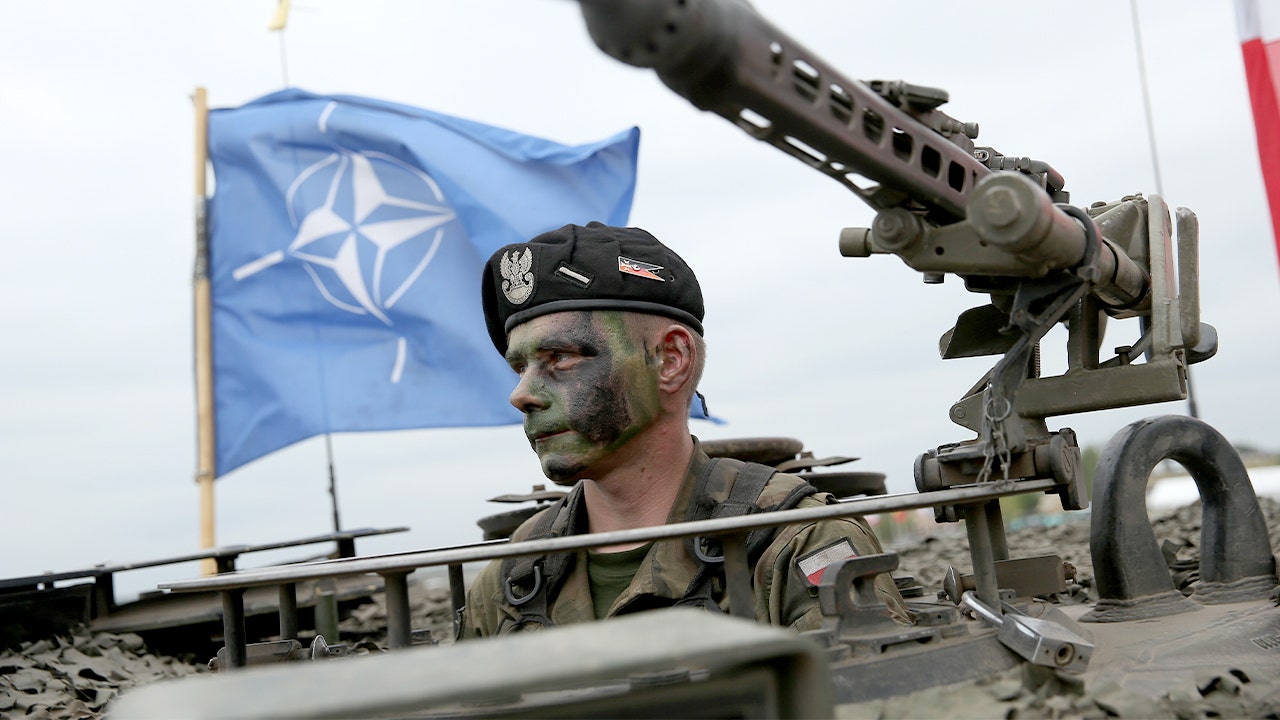
For decades, the US carried the largest share of NATO’s military burden while many European allies spent less on defense. The imbalance persisted despite repeated debates over burden sharing. Recent years have seen many NATO members increase defense spending, following Russia’s invasion of Ukraine and pressure from President Donald Trump. Defense analysts point to a combination of post-Cold War optimism, domestic priorities, and an American defense umbrella as reasons for the gap. European governments redirected resources towards domestic priorities, establishing a pattern of underinvestment that persisted for decades.
Our Reading
As expected, the matter has reached another stage.
The process of NATO’s burden sharing has entered a familiar phase. European allies have begun increasing defense spending, but the gap between US and European military capabilities remains. The American defense umbrella has convinced many European countries they can safely spend less on defense without sacrificing security. The result is a “moral hazard” problem, where allies can spend less on their militaries without facing the full consequences. The dynamic has become self-reinforcing, with European militaries shrinking and becoming increasingly dependent on American capabilities.
The underlying incentives have changed little, despite decades of warnings. Washington has repeatedly reaffirmed its commitment to NATO, reducing pressure on allies to rapidly increase defense spending. The issue gained renewed urgency after Russia’s annexation of Crimea, and Trump’s willingness to challenge assumptions has altered the debate.
The shift has culminated in a new goal of spending 5% of GDP on defense and defense-related investments by 2035. However, rebuilding military power is complicated, and Europe remains dependent on the US for capabilities. Translating investments into military readiness will take years, and the challenge extends beyond equipment and spending levels.
One observation is that the NATO burden-sharing debate has become a performance, with the US and European allies playing familiar roles. The US presses for greater European contributions, while European leaders promise improvements. The cycle repeats, with the US ultimately reaffirming its commitment to NATO. The dynamic has become a ritual, with each side knowing its part in the script.
Author: Evan Null