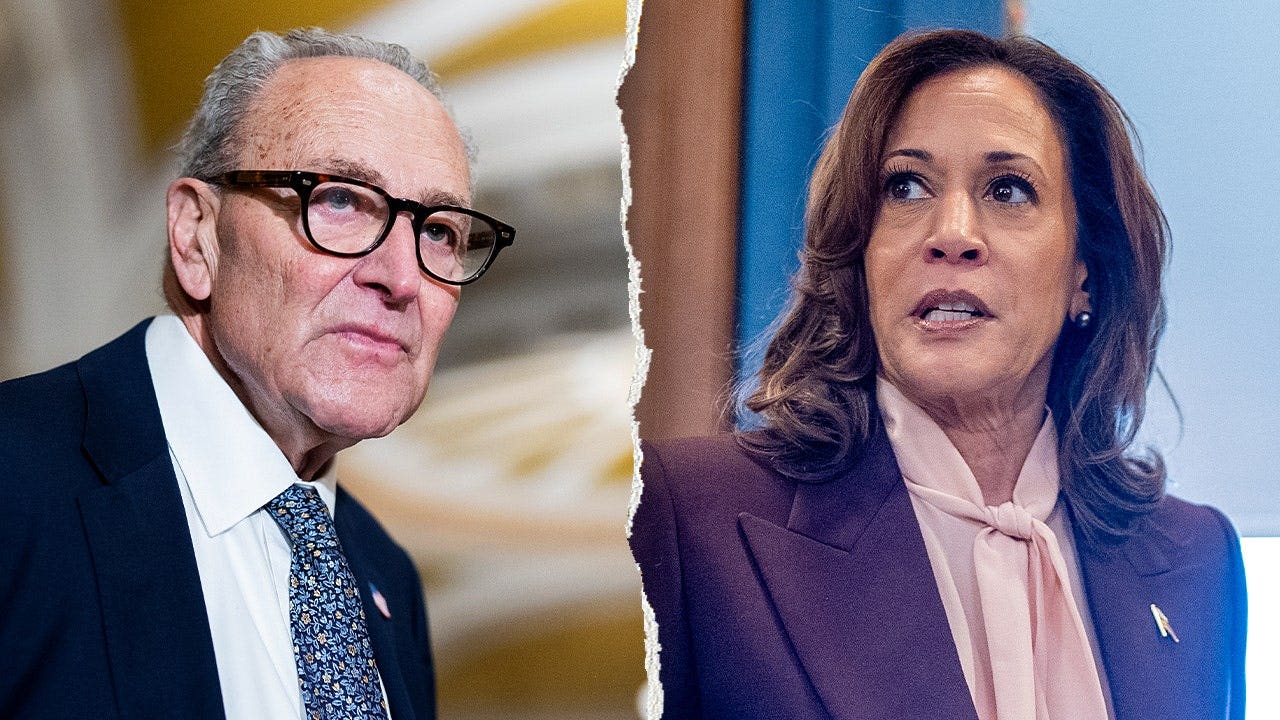
Source: Fox News
Summary
A national push to expand data center infrastructure in the U.S. faces growing resistance from local communities, as lawmakers and industry leaders debate the balance between technological advancement and community impact. Rep. Suhas Subramanyam, D-Va., warns that without federal intervention, local opposition could slow the buildout. His proposed Fair Share Act aims to address siting, power costs, and community concerns. While some areas report benefits like lower taxes, residents argue that costs and environmental impacts are not fairly distributed. The Data Center Coalition disputes claims that data centers raise residential electricity bills. State leaders, including Virginia Gov. Abigail Spanberger, are also crafting plans to manage the industry’s growth.
Our Reading
As expected, the matter has reached another stage.
Communities are asked to host data centers but feel ignored.
Politicians propose plans to balance growth and local concerns.
Industry claims costs are not rising, but residents disagree.
Local control is a recurring theme in the debate.
Author: Evan Null
Key Concerns
Rep. Suhas Subramanyam highlights the tension between national technological goals and local resistance. He argues that without federal oversight, the expansion of data centers could face further delays. His Fair Share Act aims to address concerns about costs and community impact. The plan includes measures to ensure that large power users contribute more to infrastructure. Subramanyam emphasizes the need for a coordinated approach to avoid ad hoc development.
Local Impact
Residents in areas like Ashburn report issues with noise and encroachment from data centers. While some communities see benefits like lower property taxes, others feel the costs are unfairly distributed. Subramanyam points to rising utility bills and environmental concerns as key issues. The Data Center Coalition disputes these claims, citing studies that show no historical evidence of increased residential electricity costs. Local leaders, including Virginia Gov. Abigail Spanberger, are also working on solutions to manage the industry’s growth.
State Responses
States like Virginia and West Virginia are taking different approaches to manage the data center boom. Virginia’s governor has introduced a framework to strengthen local control and shift infrastructure costs to major power users. West Virginia, on the other hand, has created a microgrid program to attract large projects. Critics argue that these plans limit local government powers, while proponents see potential benefits like property tax elimination. The debate over local control continues to shape the conversation around data center expansion.
Political Dynamics
The issue has become a focus for leaders across the political spectrum. Gov. Greg Abbott of Texas and others have emphasized the importance of managing the data center industry. Subramanyam argues that without federal involvement, the patchwork of state and local rules could hinder progress. He believes that neither doing nothing nor implementing a full moratorium is a viable option. The debate reflects a broader struggle to balance national ambitions with local concerns.
Future Outlook
The future of data center expansion depends on finding a balance between national priorities and local needs. Subramanyam’s proposals aim to address these concerns, but their success will depend on community buy-in and federal support. As the industry continues to grow, the challenge remains to ensure that the benefits are shared fairly while minimizing negative impacts. The ongoing dialogue between lawmakers, industry leaders, and local communities will shape the path forward.