Source: Fox News
Summary
The Danbury City Council in Connecticut approved a measure allowing non-citizen legal residents and DACA recipients to serve as police officers. The vote passed 18-2, with Republicans opposing. The decision followed ICE raids that led to over 60 arrests. Council member Joe Britton said the move sends a message of welcome to immigrants. The policy aligns with Connecticut’s standards, which permit legal residents and DACA recipients to apply. Danbury Mayor Roberto Alves, an immigrant himself, supported the measure, stating it maintains high hiring standards.
Our Reading
As expected, the matter has reached another stage.
Council members debate a policy change after raids.
Republicans vote against, Democrats support.
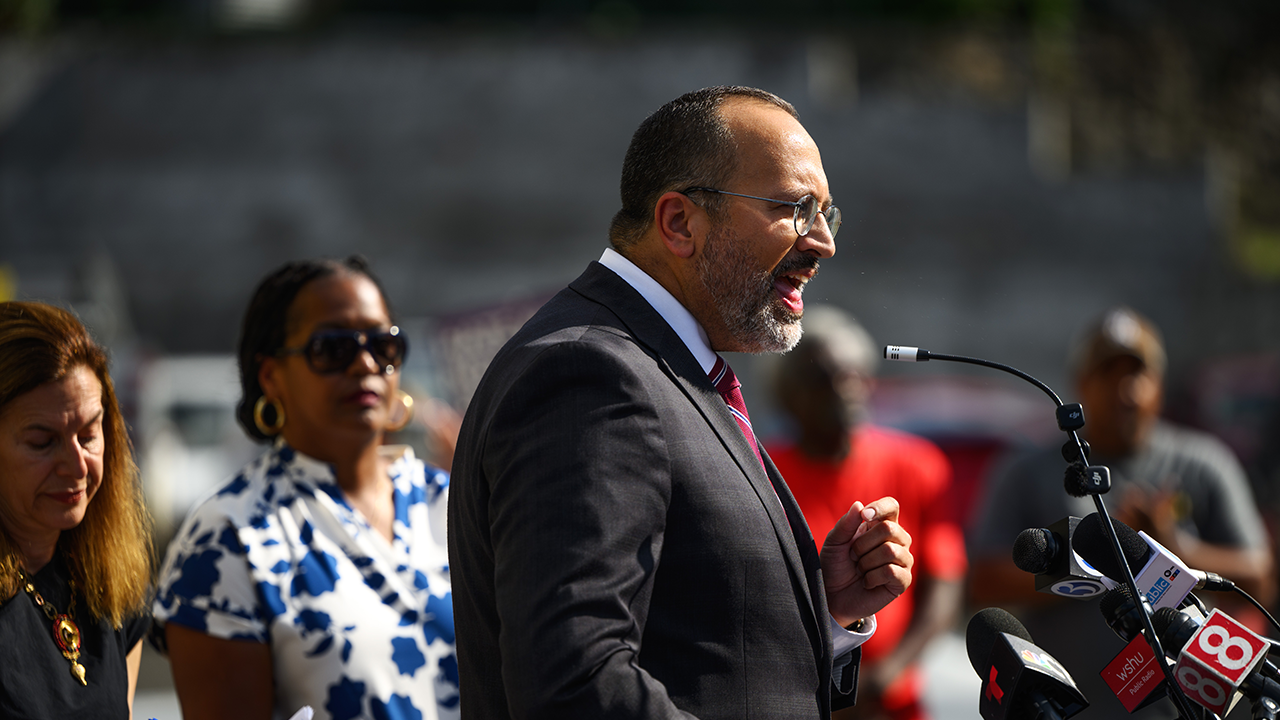
Immigrant mayor and council member speak about inclusion.
Another city joins a growing list of places allowing non-citizens to serve.
Author: Evan Null
Background on the Policy Change
The Danbury City Council’s decision to allow non-citizen legal residents and DACA recipients to serve as police officers follows a broader trend in Connecticut. The state’s Police Officer Standards and Training Council partially waived the citizenship requirement in 2020, extending eligibility to lawful permanent residents and DACA recipients. This policy change has been adopted by over 30 municipalities in Connecticut and several other states.
Context of the ICE Raids
The recent ICE raids in Danbury led to more than 60 arrests, prompting public outcry. City officials, including Council member Joe Britton, called the raids “frightening” and emphasized the need to support the immigrant community. The raids also highlighted the tension between federal immigration enforcement and local policies that aim to protect and integrate non-citizen residents.
Political Dynamics in Danbury
The vote on the police officer policy was largely along party lines, with 17 Democrats and one Republican supporting the measure, while two Republicans opposed it. The decision reflects the political landscape in Danbury, where the Democratic Party holds significant influence. The city’s mayor, Roberto Alves, an immigrant who gained citizenship in 2017, has been a vocal advocate for inclusive policies.
Public Reaction and Concerns
Council member Joe Britton argued that the policy change does not lower standards but expands the pool of qualified applicants. He emphasized that all candidates must meet the same training, background, and certification requirements. However, critics, including some Republicans, raised concerns about the implications of allowing non-citizens to serve in law enforcement roles.
Broader Implications
The decision in Danbury is part of a larger national conversation about immigration and law enforcement. While some cities and states have moved to include non-citizens in police departments, others have taken a more restrictive approach. The case of Danbury highlights the complex interplay between local governance, federal immigration policies, and community values.