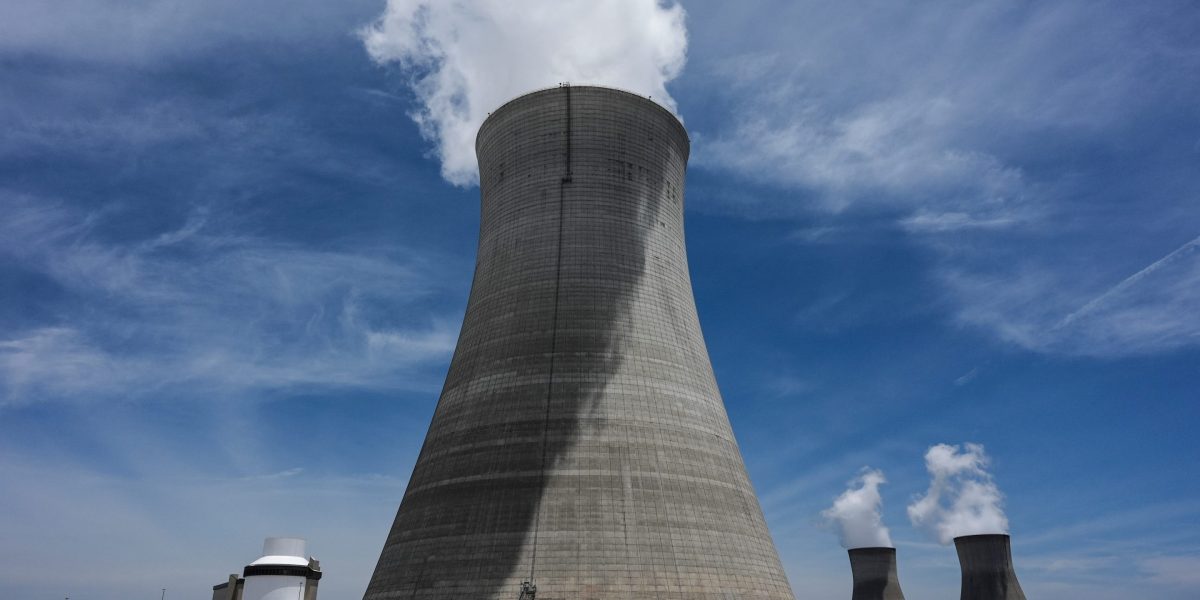
Source: Fortune.com
Summary
The Nuclear Regulatory Commission (NRC) is proposing to eliminate the “as low as reasonably achievable” (ALARA) principle, which has guided radiation safety in the US for 50 years. The ALARA principle requires facilities to minimize radiation exposure, but the NRC wants to replace it with a “graded approach” that focuses on actions to prevent exceeding dose limits. The move is part of President Trump’s efforts to boost domestic nuclear energy production. The NRC says the change won’t lower safety standards, but some experts argue it could lead to increased radiation exposure.
Our Reading
The numbers tell one story.
The NRC’s proposal to eliminate ALARA has sparked debate among experts. While the agency claims it’s not lowering safety standards, some argue that the change could lead to increased radiation exposure. The nuclear industry’s trade association and some experts support the move, saying it will provide clarity and flexibility. However, others, like the Union of Concerned Scientists, caution that the proposal could raise permissible radiation doses in certain cases.
The strategy enters a familiar phase.
The NRC’s decision to eliminate ALARA is part of a broader effort to streamline regulations and boost nuclear energy production. The move is likely to be met with resistance from some quarters, but the agency is pushing forward with its plans. As the proposal moves forward, it will be important to watch how the NRC balances the need for clarity and flexibility with the need to protect public and worker safety.
One original observation: The NRC’s proposal is a classic case of “regulatory recalibration,” where the agency is trying to rebalance the scales between safety and efficiency.
Author: Evan Null