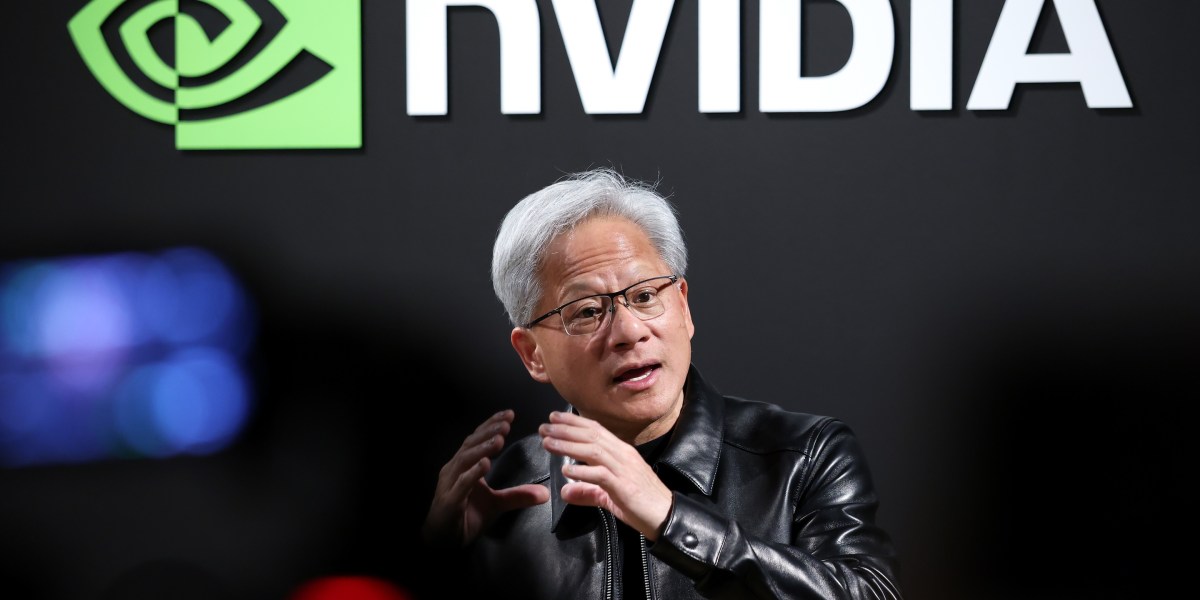
Source: Fortune
Summary
Nvidia has agreed to acquire Hugging Face for $12.93 billion, valuing the open-source AI platform at 86 times its annual revenue. The deal, expected to close in early 2027, gives Nvidia access to Hugging Face’s 18 million users and 3 million models. Hugging Face, which is nearing profitability, will remain open to the broader AI industry, according to Nvidia CEO Jensen Huang. Analysts say the price reflects the scarcity of a platform with such broad developer and corporate reach. The acquisition is Nvidia’s second-largest ever, following a $20 billion deal for AI startup Groq.
Our Reading
The numbers tell one story.
Nvidia pays 86 times revenue for Hugging Face.
Platform has 18 million users, 3 million models.
CEO says platform will stay open, no Nvidia compute required.
The deal is less about today’s business and more about tomorrow’s AI dominance.
Author: Evan Null
Deal Details
Nvidia’s $12.93 billion acquisition of Hugging Face is one of the largest in the company’s history. The deal is valued at 86 times Hugging Face’s annualized revenue of $150 million. The transaction is expected to close in the first half of 2027, according to an SEC filing.
Hugging Face, founded 10 years ago, has more than 18 million developers, researchers, and creators using its platform. It hosts 3 million models, 500,000 datasets, and 1 million applications, according to Nvidia. The company is nearing profitability, according to reports.
The acquisition gives Nvidia a strong position in open-source AI, a space that is increasingly challenging closed systems like those from Anthropic and OpenAI. Hugging Face’s broad reach among developers and corporations is a key factor in the deal’s value.
Nvidia CEO Jensen Huang emphasized that Hugging Face will remain open to the broader AI industry. He stated that Nvidia compute will not be required to build on or deploy through the platform.
The deal is Nvidia’s second-largest acquisition, following a $20 billion licensing and talent deal for AI startup Groq in December 2025. It also reflects the company’s broader investment strategy, as outlined by CFO Colette Kress.
Strategic Implications
The Hugging Face acquisition shows how Nvidia is leveraging its financial strength to secure strategic assets beyond its core business. The deal is part of a broader trend where tech giants are investing heavily in AI infrastructure and platforms.
Analysts say the price reflects the scarcity of a platform with Hugging Face’s scale and reach. Dan Ives of Yorkville Ives called it a “scarcity in the Hugging Face asset,” suggesting that the platform’s value lies in its position within the AI ecosystem.
Nvidia’s move comes as open-source AI models gain traction against closed systems. The company is positioning itself to lead in this evolving landscape, using its financial resources to acquire key players.
The deal also highlights the growing importance of open-source AI in the industry. Hugging Face’s role as a central hub for developers and researchers makes it a valuable asset for companies like Nvidia.
With the acquisition, Nvidia is not only expanding its influence in AI but also reinforcing its role as a key player in the development and deployment of AI technologies.
Market Reaction and Analyst Views
Analysts have mixed reactions to the $12.93 billion deal. While some see it as a strategic move to secure a foothold in open-source AI, others question the high valuation. The price of 86 times revenue is seen as a bet on the future of AI rather than current performance.
Despite the high price, many believe the deal is justified given Hugging Face’s position in the AI ecosystem. The platform’s large user base and extensive model library make it a valuable asset for Nvidia.
Some analysts argue that the deal reflects the growing importance of open-source AI in the industry. As more companies adopt open models, platforms like Hugging Face are becoming critical for innovation and development.
Others see the acquisition as a sign of Nvidia’s long-term vision. By acquiring Hugging Face, the company is positioning itself to lead in the next phase of AI development, rather than just focusing on its current chip business.
The deal also underscores the competitive nature of the AI industry. Companies are racing to secure key platforms and technologies, with Nvidia using its financial strength to do so.
Future Outlook and Challenges
The success of the Hugging Face acquisition will depend on how well Nvidia integrates the platform into its broader strategy. The company has emphasized that Hugging Face will remain open, but the long-term impact on the AI ecosystem remains to be seen.
One challenge for Nvidia is maintaining Hugging Face’s open nature while ensuring it aligns with the company’s goals. The platform’s independence has been a key factor in its success, and any perceived shift could affect user trust.
Another challenge is the evolving landscape of AI. As open-source models continue to gain traction, Nvidia will need to adapt its approach to remain competitive. The company’s focus on AI chips and infrastructure will be crucial in this regard.
Regulatory scrutiny is also a potential risk. Large acquisitions in the tech industry often face regulatory hurdles, and the Hugging Face deal is no exception. Nvidia will need to navigate these challenges carefully.
Ultimately, the acquisition is a bold move that reflects Nvidia’s confidence in the future of AI. Whether it pays off will depend on how well the company executes its strategy and adapts to the changing industry landscape.
Company Background and Context
Nvidia, a leading manufacturer of graphics processing units (GPUs), has become a dominant force in the AI industry. Its chips are widely used in AI development and machine learning applications, making it a key player in the sector.
The company’s focus on AI has driven significant growth, with its stock price rising sharply in recent years. This success has given Nvidia the financial resources to make large acquisitions, such as the Hugging Face deal.
Nvidia’s CEO, Jensen Huang, has been a vocal advocate for open-source AI, emphasizing the importance of collaboration and innovation. His comments on the Hugging Face acquisition reflect this philosophy, as he stressed that the platform will remain open to the broader AI community.
The company’s CFO, Colette Kress, has also been involved in shaping Nvidia’s investment strategy. She has outlined a plan to invest heavily in AI labs and advanced model development, reinforcing the company’s long-term vision.
Nvidia’s move to acquire Hugging Face is part of a broader trend in the tech industry, where companies are investing in AI infrastructure and platforms to stay competitive. The Hugging Face deal is a clear example of this strategy in action.