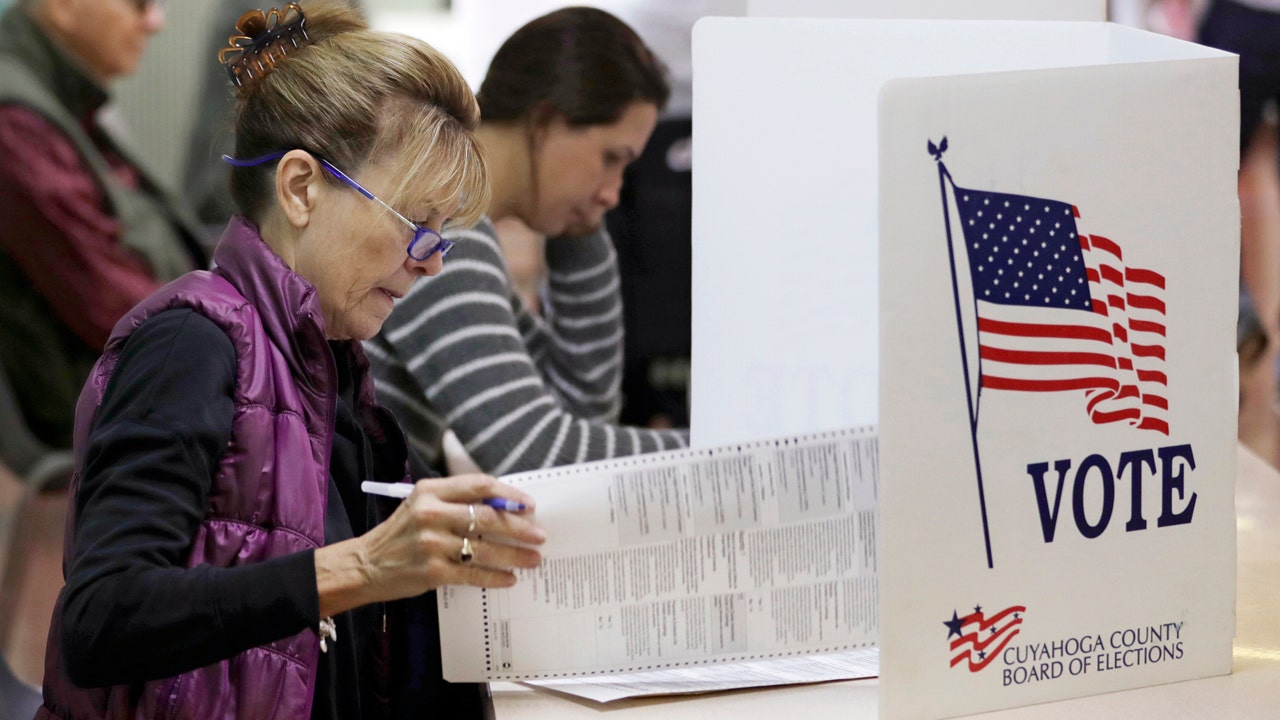
Source: Fox News
Summary
A Clinton-appointed Ohio judge has blocked the implementation of a state law requiring voters to provide photo ID proof of citizenship when registering to vote. Judge Solomon Oliver Jr. issued a preliminary injunction, citing a conflict with federal requirements. The law, House Bill 54, was challenged for requiring additional documentation beyond what is needed for driver’s license applications. Ohio Secretary of State Frank LaRose plans to appeal the decision, arguing the law is necessary to protect election integrity. The case centers on the National Voter Registration Act, which allows voters to register using the same information as a driver’s license application. The judge ruled that proof of citizenship is redundant since applicants already attest to their citizenship.
Our Reading
As expected, the matter has reached another stage.
Judge Oliver blocks the law, citing federal conflict.
LaRose vows to appeal, defends voter roll integrity.
Ohio voters can register without photo ID for now.
The judge sees attestation as enough, not proof.
Author: Evan Null
Ohio’s Voting Law Battle
The Ohio law requiring photo ID proof of citizenship for voter registration has become a focal point in the national debate over election integrity. A Clinton-appointed judge in Ohio has blocked the law, citing conflicts with federal requirements. The decision highlights the ongoing tension between state efforts to prevent non-citizens from voting and federal laws that aim to simplify the registration process. The judge’s ruling emphasizes that attestation of citizenship is sufficient, rather than requiring additional documentation. Ohio’s secretary of state has announced plans to appeal the decision, arguing that the law is necessary to protect the integrity of the state’s elections.
The Legal Framework
The law in question, House Bill 54, was designed to ensure that only U.S. citizens can register to vote. It requires voters to provide proof of citizenship, such as a passport or birth certificate, when registering. The National Voter Registration Act, passed in 1993 under the Clinton administration, allows voters to register using the same information as a driver’s license application. The judge ruled that requiring additional documentation for citizenship is redundant, as the driver’s license form already asks about citizenship status. This ruling has sparked a legal battle between state officials and federal courts over the scope of state voting requirements.
State Officials’ Response
Ohio Secretary of State Frank LaRose has strongly disagreed with the judge’s decision, calling it a setback for election integrity. He has instructed his legal team to file an immediate appeal, arguing that the law is necessary to prevent non-citizens from voting. LaRose pointed to instances of voter fraud, including a case where an Ohio woman admitted to voting illegally as a lawful permanent resident. He emphasized that the state has a constitutional obligation to ensure only U.S. citizens are allowed to vote. The judge’s ruling, however, has allowed voters to continue registering without providing additional proof of citizenship.
The National Debate
The case in Ohio is part of a broader national debate over voting requirements and the balance between voter access and election security. Other states have implemented similar laws, and federal courts have issued rulings that either uphold or strike down such measures. In Texas, a federal appeals court recently restored mail ballot ID requirements, signaling a shift in how courts view state-level voting laws. The Ohio case adds to the growing number of legal challenges that highlight the complexity of federal and state laws in regulating voter registration. The outcome of this case could influence similar legal battles in other states.
Public and Political Reactions
The judge’s decision has drawn reactions from both sides of the political spectrum. Supporters of the law argue that it is a necessary step to prevent non-citizens from voting, while opponents see it as an unnecessary barrier to voter access. The Ohio secretary of state has framed the issue as a matter of protecting the integrity of the state’s elections, while the judge has emphasized the importance of following federal guidelines. The case also reflects the broader national conversation about the role of state governments in regulating elections and the extent to which federal laws should dictate voting procedures. As the legal battle continues, the outcome could have significant implications for future voting laws across the country.