
Olympian Disqualified Over Helmet
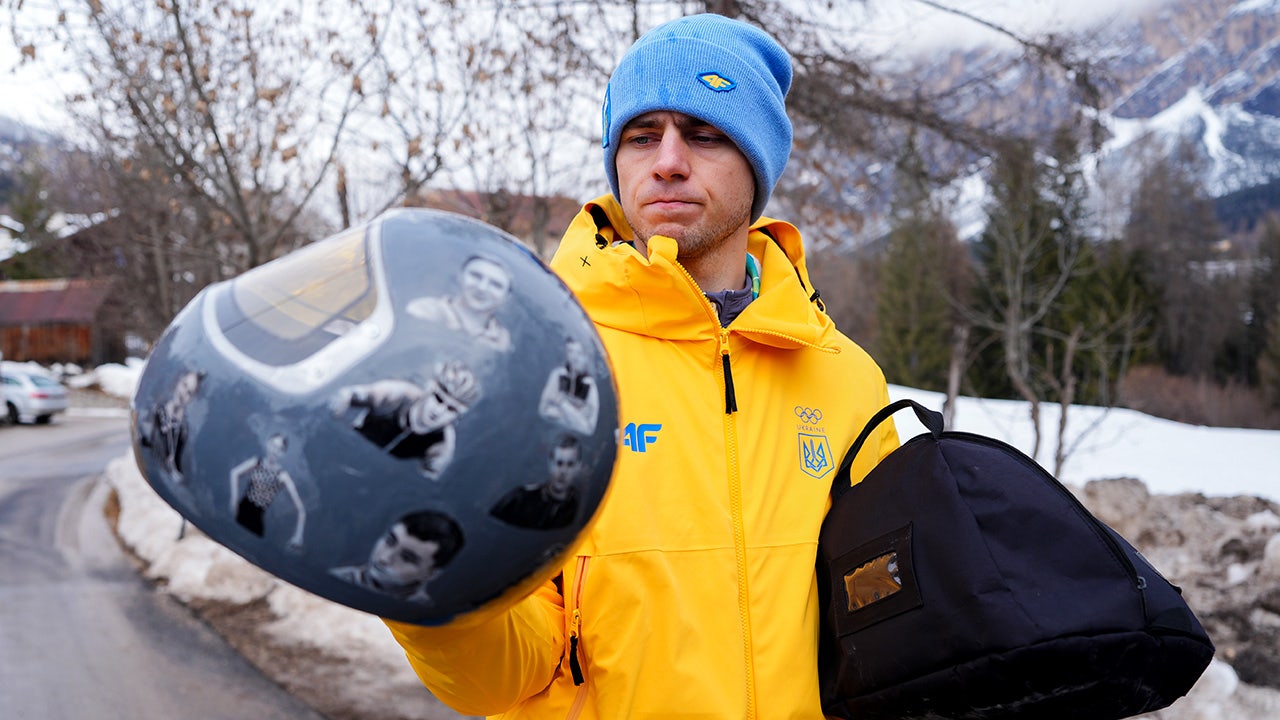
Source: Ukrainian Olympian
Summary
Ukrainian Olympian Vladyslav Heraskevych was disqualified from the men’s skeleton event at the Olympics after he refused to wear a helmet other than one honoring Ukrainian athletes killed in the war with Russia. The International Olympic Committee (IOC) and Heraskevych disagreed over the helmet, which the IOC said violates rules against making political statements on the field of play. The IOC offered concessions, but Heraskevych refused to change his helmet. The IOC expressed “regret” over the decision.
Our Reading
The game followed a familiar script.
Heraskevych stood his ground, refusing to compromise on his helmet, while the IOC tried to find a way to accommodate his message without violating its rules.
The IOC offered concessions, but Heraskevych saw it as a way to silence him, saying it was “painful” that he was being treated differently than other athletes who had expressed themselves.
Heraskevych’s message, honoring Ukrainian athletes killed in the war, was powerful, but the IOC’s decision to disqualify him was predictable.
This one felt recognizable early, as the struggle between Heraskevych’s message and the IOC’s rules played out in the days leading up to the event.
Original Observation: This is a battle between a athlete’s conscience and the institution’s rules, a familiar dynamic in international competition.
Author: Evan Null
