Source: Fortune
Summary
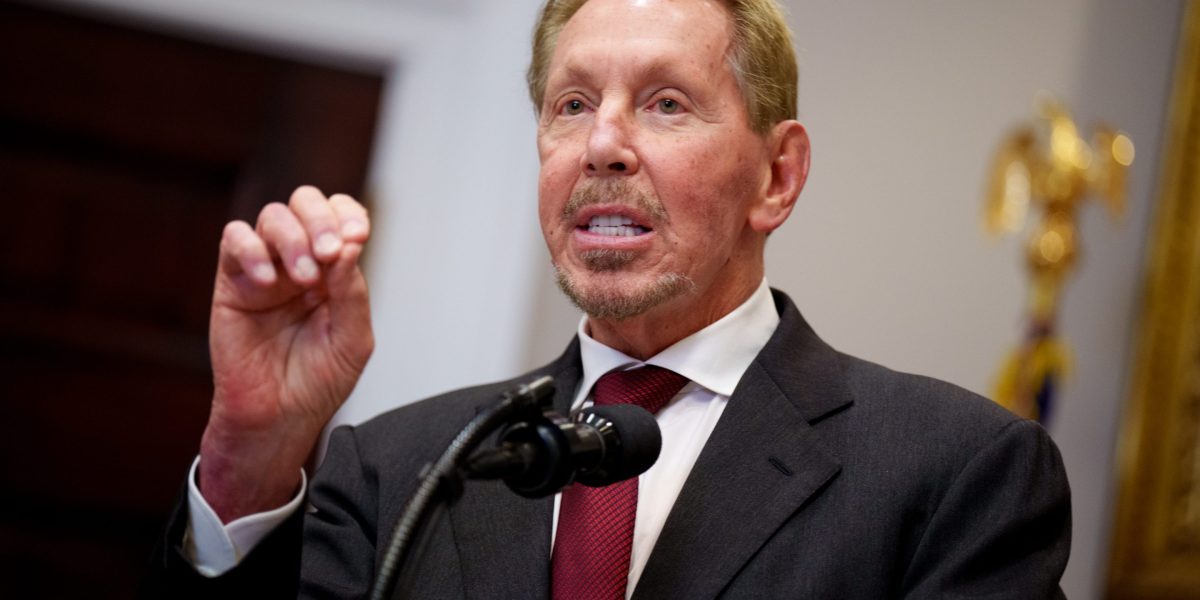
Oracle reported its best quarter in 15 years, with revenue up 22% to $17.2 billion and cloud infrastructure up 84% to $4.9 billion. Despite this, the company is experiencing negative free cash flow of $24.7 billion over the trailing 12 months due to increased capital expenditures. Oracle’s debt load has also increased to over $100 billion. The company’s executives, including Larry Ellison, emphasized the importance of AI and cloud infrastructure in driving growth. Oracle’s stock price rose nearly 10% in after-hours trading.
Our Reading
The numbers tell one story. Oracle’s aggressive capital spending and mounting debt load have raised concerns, but the company is delivering strong results. The company’s cloud infrastructure revenue is growing rapidly, and its multi-cloud database revenue is up 531%. Oracle’s executives are confident in their AI and cloud strategy, but investors are looking for evidence that capital expenditures are translating into returns.
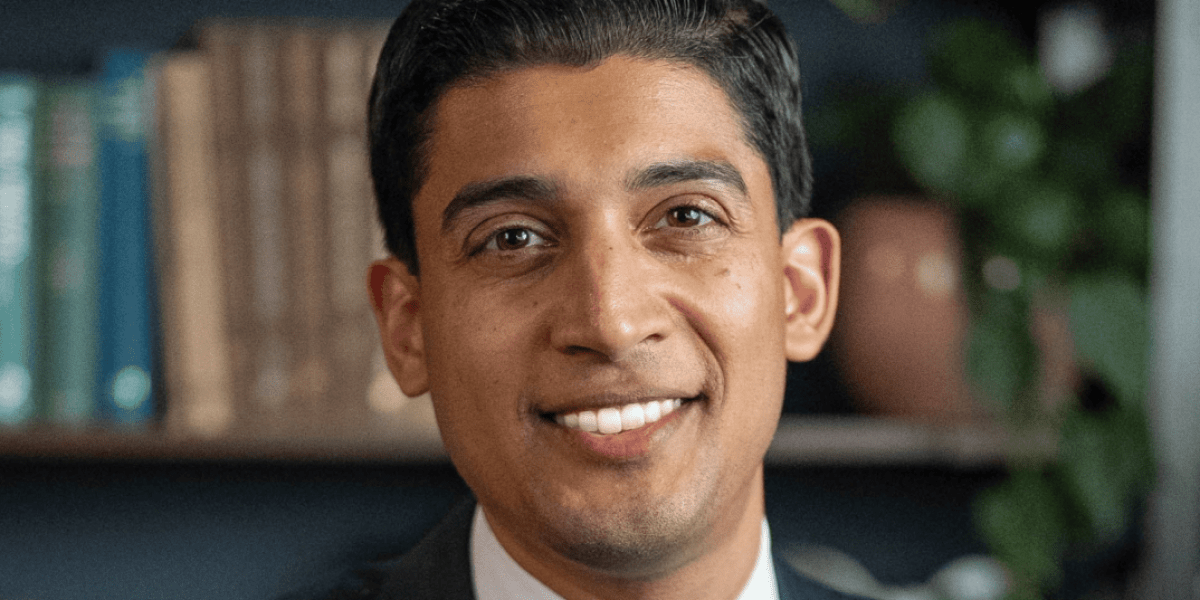
Oracle’s CFO, Doug Kehring, mentioned that the company is exploring financing structures that would allow customers to pay for capacity and services, rather than Oracle shouldering the costs itself. This could potentially alleviate some of the pressure on the company’s cash flow.
However, Oracle’s debt-to-equity ratio is significant, and the investment community is watching closely to see how the company will manage its leverage. As one analyst noted, “High-growth companies are willing to take a hit in the near term” in pursuit of long-term gains, but investors need to see evidence of returns on invested capital, margin expansion, and revenue growth.
Oracle’s executives are emphasizing the importance of AI and cloud infrastructure in driving growth, but the company’s financials tell a more complex story.
Author: Evan Null