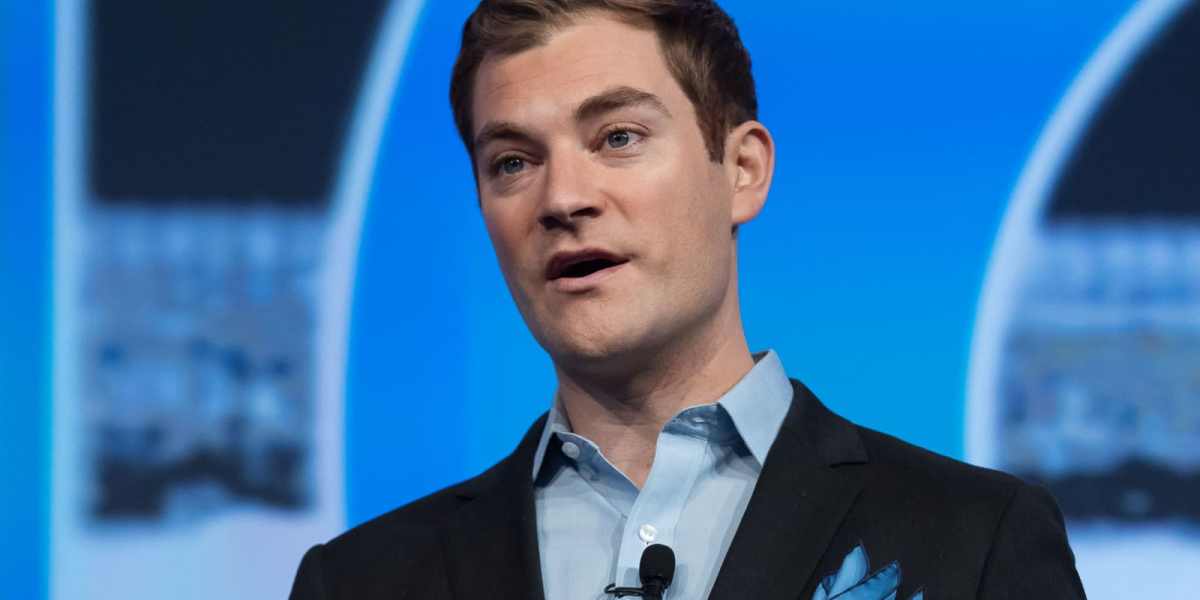
Source: Fortune
Summary
The founder and CEO of Olo, a restaurant commerce platform, argues that restaurants face two flawed options for digital ordering: third-party marketplaces with high fees or first-party apps with high acquisition costs. He proposes a “second-party” model that allows brands to share infrastructure while retaining customer data. Olo works with 800+ restaurant brands across 90,000 locations. The CEO claims the new model would reduce costs for restaurants and improve personalization for guests. The idea is inspired by platforms like Shopify, which enable shared infrastructure across retailers.
Our Reading
The numbers tell one story.
Olo runs 90,000+ locations, 800+ brands.
Restaurants pay 30% fees on third-party orders.
First-party apps cost $100 per guest to acquire.
Second-party model aims to avoid both pitfalls.
Restaurants need new options to avoid being trapped in old choices.
Author: Evan Null
Origins of a Vision
The founder of Olo started in 2005, before smartphones, with a text-message order system for restaurants. He saw inefficiencies in the process and built a solution. Over 20 years, he grew Olo into a platform serving 800+ restaurant brands across 90,000 locations. His experience in the industry shaped his belief that the current options for digital ordering are flawed. He wants to create a new model that avoids the problems of third-party marketplaces and first-party apps.
The Problem with Two Choices
Restaurants have only ever had two options for digital ordering: third-party marketplaces or first-party apps. Both come with drawbacks. Third-party platforms charge high fees, forcing restaurants to mark up prices. First-party apps are expensive to acquire and rarely used by guests. The founder argues that these options are not sustainable and that a third, better option is needed.
The Case for a Second-Party Model
The founder proposes a “second-party” model, inspired by platforms like Shopify, where brands share infrastructure without losing ownership. This model would allow restaurants to reach more customers without paying high fees, while still maintaining control over customer data. It would also improve the guest experience by enabling personalized offers and saved checkout data. The goal is to create a centralized system where guests can order from multiple brands seamlessly.
Challenges in the Restaurant Industry
The restaurant industry has struggled to keep up with digital innovation. While third-party marketplaces provided a quick solution during the pandemic, they have become a long-term burden. First-party apps have not been able to scale effectively. The founder argues that these challenges have left restaurants in a difficult position, with no viable alternative to the existing models. He believes that a second-party network is the next logical step in the evolution of restaurant ordering.
The Future of Ordering
The founder believes that the next era of restaurant ordering will be defined by a second-party model that offers the best of both worlds. Restaurants would gain marketplace-level reach without the high fees, and guests would get a more personalized experience. He argues that the time is right for this change, and that restaurants willing to build this new model together will be the ones that succeed in the future. The challenge is to convince the industry to move beyond the current binary choices.