Source: Fox News
Summary
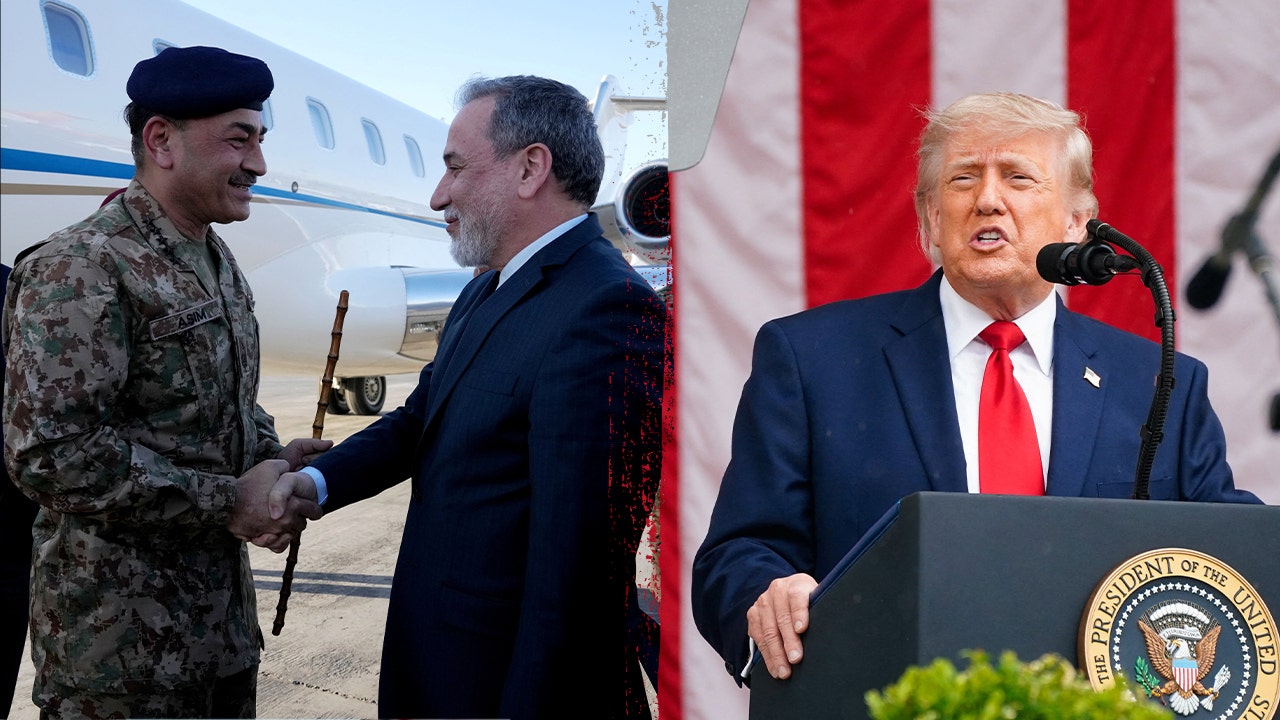
Pakistan’s army chief, Field Marshal Asim Munir, has emerged as a key intermediary in negotiations aimed at preventing renewed conflict with Iran. This has once again highlighted the contradictions in U.S. foreign policy, as Washington continues to rely on Pakistan despite decades of accusations involving Taliban safe havens, nuclear proliferation, and Osama bin Laden. Munir’s role has come under scrutiny due to allegations that Iranian military aircraft may have been moved into Pakistani territory, claims Islamabad has denied. Despite this, Trump has publicly praised Pakistan’s leadership, and the White House has expressed gratitude for Pakistan’s efforts to bring an end to the conflict.
Our Reading
As expected, the matter has reached another stage.
Pakistan’s military leadership has again emerged as a critical diplomatic channel for Washington, with Field Marshal Asim Munir leveraging Pakistan’s relationships across the region to position himself as a channel between Washington and Tehran. The U.S. has struggled to disengage from Islamabad due to Pakistan’s nuclear arsenal, geographic position, and influence over regional militant networks. Despite distrust and accusations of double-dealing, Washington continues to rely on Pakistan. The latest negotiations have exposed divisions among Republicans, with some questioning Pakistan’s role as a mediator. Trump has publicly praised Pakistan’s leadership, while others have expressed skepticism.
Pakistan’s renewed diplomatic role has also drawn attention to its nuclear history and concerns over the country’s relationships with militant groups and regional adversaries. The divide over Pakistan reflects a broader debate that has shaped U.S. foreign policy for decades.
It’s business as usual in the complex and often tense relationship between the U.S. and Pakistan.
Author: Evan Null