Source: Fox News
Summary
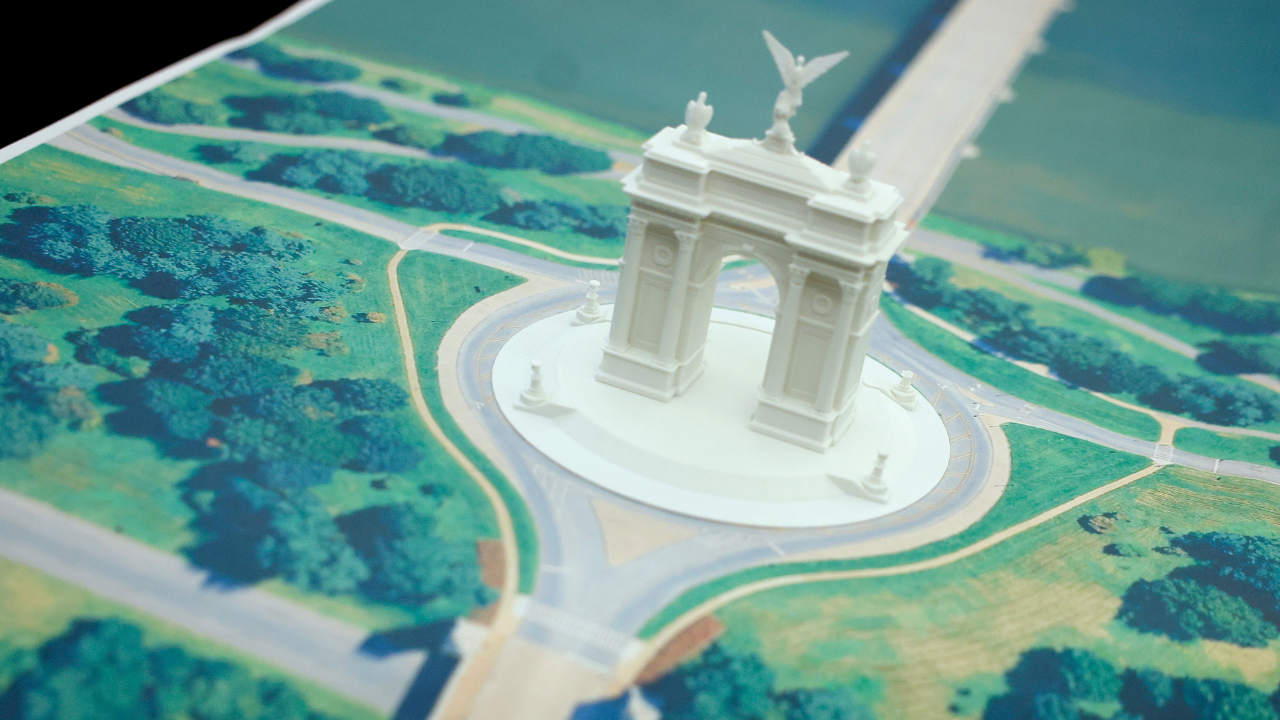
Three Vietnam veterans and an architectural historian are opposing President Donald Trump’s proposed 250-foot arch near Arlington National Cemetery, arguing it would block historic views. The project, which Trump claims would be the largest in the world, faces legal challenges. The Trump administration cites a 1925 law to justify the arch, but critics say it would harm the area’s historic character. A federal judge is considering a temporary restraining order to halt the project. The plaintiffs argue the arch requires congressional approval, which has not been granted.
Our Reading
As expected, the matter has reached another stage.
Veterans and historians oppose a massive arch near a cemetery.
Trump’s team cites old laws to justify the project.
Critics say the structure would disrupt historic views.
The process has entered a familiar phase.
Author: Evan Null
Three Veterans and an Architectural Historian
Three Vietnam veterans and an architectural historian have joined forces to oppose the proposed 250-foot arch near Arlington National Cemetery. Their legal battle has been ongoing for months, with the veterans expressing personal ties to the site. One of them hopes to be buried there, adding emotional weight to the dispute. The historian argues the arch would disrupt the area’s historic integrity.
Trump’s Vision and Legal Justification
President Trump has promoted the arch as a grand tribute, claiming it would be the largest in the world. His administration has cited a 1925 law that originally authorized two 166-foot columns, which were never built. Officials argue this law allows them to proceed without congressional approval. The project is now moving forward with excavation set to begin soon.
Historic Views and Public Concerns
Critics say the arch would block views between major landmarks like the Lincoln Memorial and Arlington House. The nation’s capital was designed to preserve these views, and opponents argue the arch would disrupt that vision. The National Park Service acknowledged potential adverse effects on historic properties, but the administration insists the project is viable.
Legal Battle and Congressional Approval
The plaintiffs have asked a federal judge to issue a temporary restraining order to stop the project. They argue it requires congressional approval, which has not been granted. The administration claims past congressional action allows them to proceed. The legal battle highlights a broader debate over who should decide the placement and design of monuments.
Symbolic and Political Implications
The arch has become a symbol of the tension between presidential authority and democratic processes. The veterans and historian see it as a threat to the area’s solemn character. The project’s fate will likely depend on the court’s decision and the political climate. The dispute reflects ongoing struggles over how history and memory are preserved in public spaces.