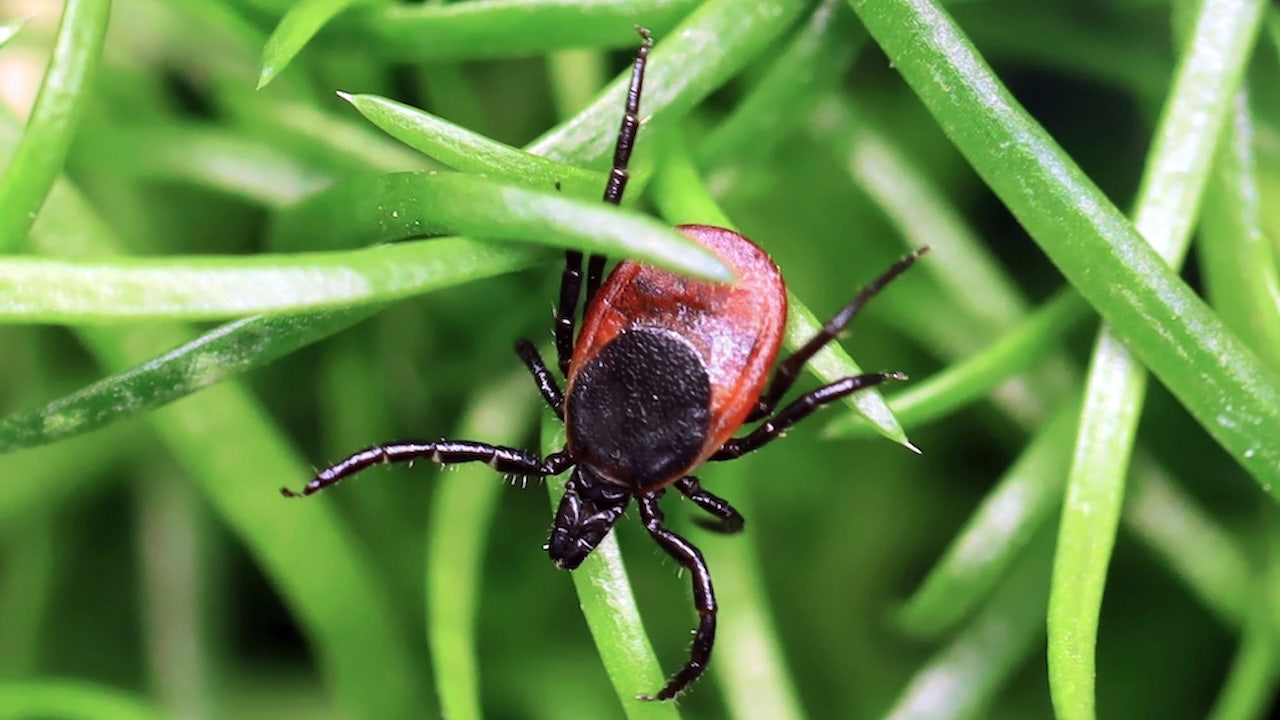
Source: Fox News
Summary
Powassan virus, a rare and potentially fatal tick-borne illness, has been spreading across the United States, with 76 cases reported in 2025, the highest annual total on record. The virus was first discovered in 1958 in Ontario, Canada, and is primarily transmitted through the bite of an infected woodchuck tick or deer tick. Public health experts warn that the virus’s rapid transmission speed makes it uniquely dangerous, with symptoms including fever, headache, vomiting, and weakness, and can progress to severe neurological complications.
Our Reading
The advice sounds familiar. Powassan virus, a disease that was once considered an obscure medical anomaly, has reached historic highs in the US. The virus’s transmission speed makes it uniquely dangerous, with symptoms manifesting in as little as 15 minutes after the infected tick bites. While there are no specific medications or vaccines to treat or prevent Powassan virus, clinical care is limited to supportive therapy. The situation feels like a reminder that tick-borne illnesses are a growing public health challenge.
Author: Evan Null
Rare and Potentially Fatal Tick-Borne Illness Spreads Across the US
Powassan virus, a rare and potentially fatal tick-borne illness, has been spreading across the United States, with 76 cases reported in 2025, the highest annual total on record.
History of the Virus
The virus was first discovered in 1958 in Ontario, Canada, and was named for the town near where it was first discovered. At the time, a 4-year-old boy named Lincoln Byers died from a condition that medical professionals could not explain.
Transmission and Symptoms
The virus is primarily transmitted through the bite of an infected woodchuck tick or deer tick. Symptoms include fever, headache, vomiting, and weakness, and can progress to severe neurological complications, including encephalitis and meningitis.
Public Health Concerns
Public health experts warn that the virus’s rapid transmission speed makes it uniquely dangerous. Dr. Jorge P. Parada, a medical advisor at the National Pest Management Association, noted that Powassan can be transmitted in as little as 15 minutes after the infected tick bites, while Lyme disease usually requires a 36- to 48-hour attachment time for transmission.
Treatment and Prevention
There are currently no specific medications or vaccines to treat or prevent Powassan virus. Clinical care is limited to supportive therapy, such as intravenous fluids and respiratory support. Anyone can develop severe illness, but those at the highest risk include children, older adults, and immunocompromised individuals.