Source: Fox News
Summary
President Donald Trump announced a diesel agreement with Russian President Vladimir Putin, claiming it would lower fuel prices. Some Republicans, including Rep. Don Bacon and Rep. Brian Fitzpatrick, criticized the deal, calling it a failure and vowing to block Russian oil imports. A bipartisan group of senators also condemned the move, stating it violates existing laws. Former Energy Secretary Dan Brouillette expressed skepticism about the deal’s impact on diesel prices, noting it may not lead to significant reductions. The White House has not yet responded to inquiries.
Our Reading
As expected, the matter has reached another stage.
Trump announced a deal with Putin, claiming it would lower prices.
Republicans criticized the move, calling it a failure.
Bipartisan senators condemned the deal, citing legal and moral concerns.
Experts doubt the deal will have a major impact on fuel prices.
Author: Evan Null
Trump’s Diesel Announcement
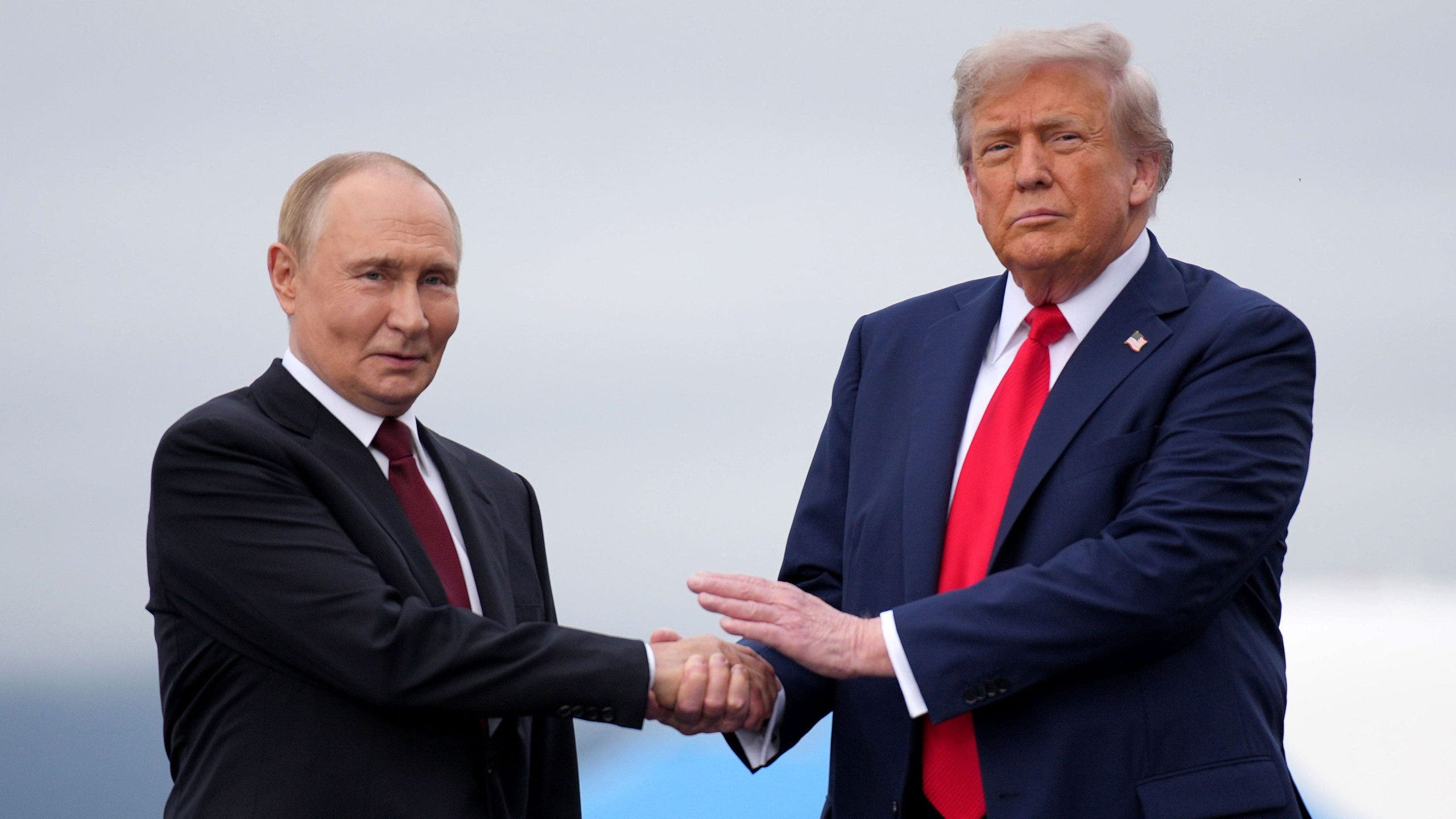
President Donald Trump announced a diesel agreement with Russian President Vladimir Putin, claiming it would lead to lower fuel prices. The deal involves Russia supplying over 300,000 tons of diesel fuel to the U.S. and global markets, with additional shipments in the following months. Trump emphasized that the agreement would benefit American farmers, ranchers, and truckers, who he said would see record-low prices.
Trump’s announcement came after a discussion with Putin on October 9, which he shared on his Truth Social platform. He also claimed that the U.S. has control over the Strait of Hormuz, which he said would help reduce diesel prices. He added that Iran would not develop a nuclear weapon, a claim that has not been verified.
The deal sparked immediate backlash from some Republicans, including Rep. Don Bacon of Nebraska, who criticized Trump’s policies toward Russia and Ukraine. Bacon argued that the deal would prop up Putin’s war economy and called for moral clarity in U.S. foreign policy.
Rep. Brian Fitzpatrick, a Republican from Pennsylvania, announced plans to introduce bipartisan legislation to block Russian oil imports. He called the bill the “Ronald Reagan Peace Through Strength Act” and said it would be forced to the floor for a vote. Bacon supported the legislation and agreed to be an original cosponsor.
A bipartisan group of senators, including Democrats and Republicans, also criticized the deal, stating it violated a 2022 law that banned Russian energy imports. They argued that the U.S. should not provide financial support to Putin’s war against Ukraine and called on the administration to reverse its decision.
Reactions and Concerns
Some Republicans, including outgoing Rep. Don Bacon, expressed concerns that Trump’s deal with Russia would undermine U.S. efforts to support Ukraine. Bacon argued that the agreement would provide financial support to Putin’s war economy, which he described as morally wrong. He called for greater moral clarity in U.S. foreign policy and criticized Trump’s approach to Russia and Ukraine.
Rep. Brian Fitzpatrick, a Republican from Pennsylvania, announced plans to introduce bipartisan legislation to block Russian oil imports. He called the bill the “Ronald Reagan Peace Through Strength Act” and said it would be forced to the floor for a vote. Bacon supported the legislation and agreed to be an original cosponsor, emphasizing the need for Congress to take a stand.
A bipartisan group of senators, including Democrats and Republicans, also criticized the deal, stating it violated a 2022 law that banned Russian energy imports. They argued that the U.S. should not provide financial support to Putin’s war against Ukraine and called on the administration to reverse its decision.
Former U.S. Energy Secretary Dan Brouillette expressed skepticism about the deal’s impact on diesel prices, noting that it may not lead to significant reductions. He explained that the agreement may not result in new barrels of diesel entering the market, which is what the U.S. needs to lower prices.
Trump’s comments about the deal also included a controversial statement about Ukraine, where he called for the country to replace its president, Volodymyr Zelenskyy. He said, “Get a new president,” in reference to Zelenskyy, which drew criticism from both Democrats and Republicans.
Legal and Ethical Concerns
The deal raised legal concerns, as Congress explicitly banned Russian energy imports in 2022 to prevent American dollars from funding Putin’s war against Ukraine. A bipartisan group of senators, including Democratic Sens. Jeanne Shaheen, Richard Blumenthal, and Ron Wyden, as well as GOP Sens. Susan Collins, Lisa Murkowski, Thom Tillis, and John Curtis, issued a statement condemning the deal.
The senators argued that the U.S. should not provide financial support to Putin’s war against Ukraine and called on the administration to reverse its decision. They emphasized that the law was clear: the U.S. should not import oil from Russia until it ends its aggression against Ukraine and ceases threats against NATO allies.
Thom Tillis, an outgoing senator, is the author of the recently released book, “How to Lose Friends and Antagonize Presidents.” Shaheen is also not seeking another term. Both senators joined the bipartisan group in condemning the deal.
The statement from the senators highlighted the administration’s failure to consult with Congress or provide an explanation for the decision. They argued that the U.S. should not provide Putin with a financial lifeline while Russia continues to kill Ukrainian civilians.
Despite the criticism, Trump continued to promote the deal, claiming it would lead to lower diesel prices and benefit American consumers. However, experts and lawmakers remain skeptical about the deal’s impact and its alignment with U.S. foreign policy goals.
Impact on Diesel Prices
Former U.S. Energy Secretary Dan Brouillette expressed skepticism about the deal’s impact on diesel prices, noting that it may not lead to significant reductions. He explained that the agreement may not result in new barrels of diesel entering the market, which is what the U.S. needs to lower prices.
Brouillette said that if the aim is to decrease prices in the long term, then it is “challenging to see how this is going to help.” He argued that the deal would essentially involve moving existing barrels of diesel from one customer to another, rather than increasing the overall supply.
He also noted that the market is expecting new barrels of diesel, which the deal may not provide. This skepticism was echoed by other experts and lawmakers who questioned the practicality of the agreement.
Despite these concerns, Trump continued to promote the deal, claiming it would lead to lower prices and benefit American consumers. However, the lack of clarity on how the deal would affect the market raised further questions about its effectiveness.
As the debate over the deal continues, the focus remains on its potential impact on diesel prices and its alignment with U.S. foreign policy goals. The White House has not yet responded to inquiries about the deal, leaving many questions unanswered.
Political and Public Response
The political response to Trump’s diesel deal with Russia has been mixed, with some Republicans criticizing the move while others remain silent or supportive. The deal has also drawn public attention, with many Americans questioning the implications of the agreement on fuel prices and U.S. foreign policy.
Some lawmakers, including Rep. Brian Fitzpatrick, have taken a strong stance against the deal, vowing to introduce legislation to block Russian oil imports. Others, like Rep. Don Bacon, have criticized Trump’s approach to Russia and Ukraine, calling for greater moral clarity in U.S. foreign policy.
The bipartisan group of senators who condemned the deal emphasized the importance of following the 2022 law that banned Russian energy imports. They argued that the U.S. should not provide financial support to Putin’s war against Ukraine and called on the administration to reverse its decision.
Despite the criticism, Trump continued to promote the deal, claiming it would lead to lower diesel prices and benefit American consumers. However, the lack of clarity on how the deal would affect the market raised further questions about its effectiveness.
As the debate over the deal continues, the focus remains on its potential impact on diesel prices and its alignment with U.S. foreign policy goals. The White House has not yet responded to inquiries about the deal, leaving many questions unanswered.