Source: Fortune
Summary
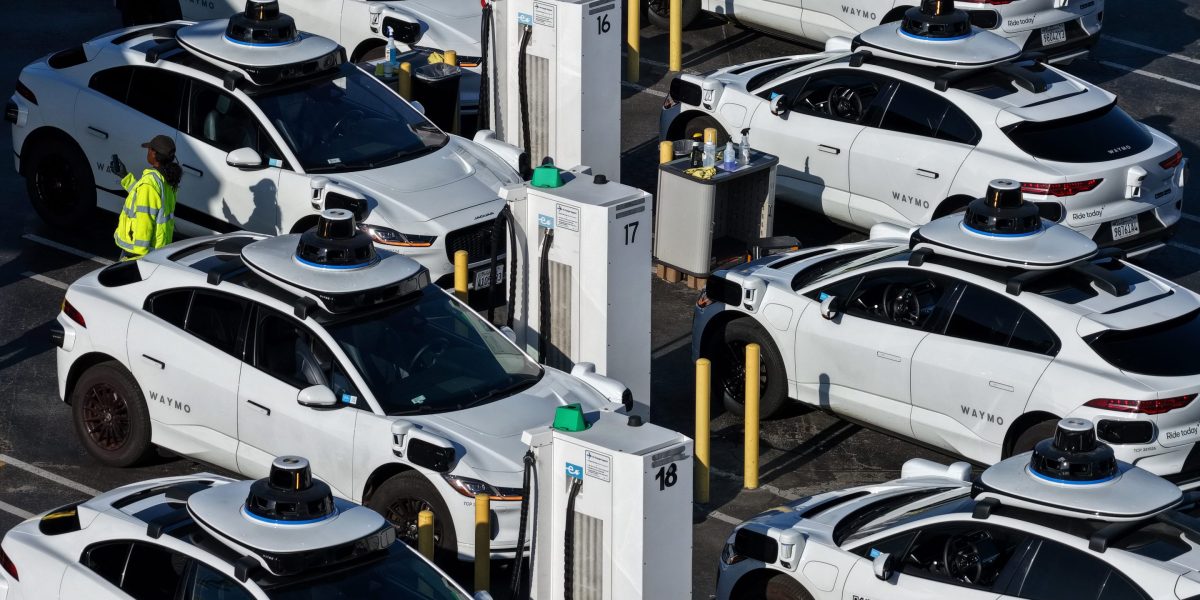
Louay Abdelkader, director of product management at QNX, notes that the automotive industry took a long time to adopt airbags as a safety measure, and a similar delay is happening with cybersecurity in the development of robotaxis. Robotaxis, such as those from Waymo and Tesla, rely on interconnected electronic control units, high-speed networking, and cloud connectivity, expanding the “attack surface” for hackers. A recent prank in San Francisco, where 50 individuals ordered Waymos to the same dead-end street, highlighted the vulnerability of these systems. Experts argue that cybersecurity should be a primary consideration for lawmakers, manufacturers, and regulators, and that it should be built into autonomous vehicles from the beginning.
Our Reading
The numbers tell one story. Robotaxis are proliferating, with companies like Waymo and Tesla expanding their services. But the cybersecurity risks are real, and experts warn that hackers can exploit vulnerabilities in the complex systems that control these vehicles. Louay Abdelkader notes that the industry needs to prioritize cybersecurity, just as it did with airbags. The recent prank in San Francisco exposed the weaknesses of these systems. The industry is still in its early stages, but it’s clear that cybersecurity needs to be a top priority. The question is, will lawmakers and manufacturers take action before a major incident occurs?
Author: Evan Null