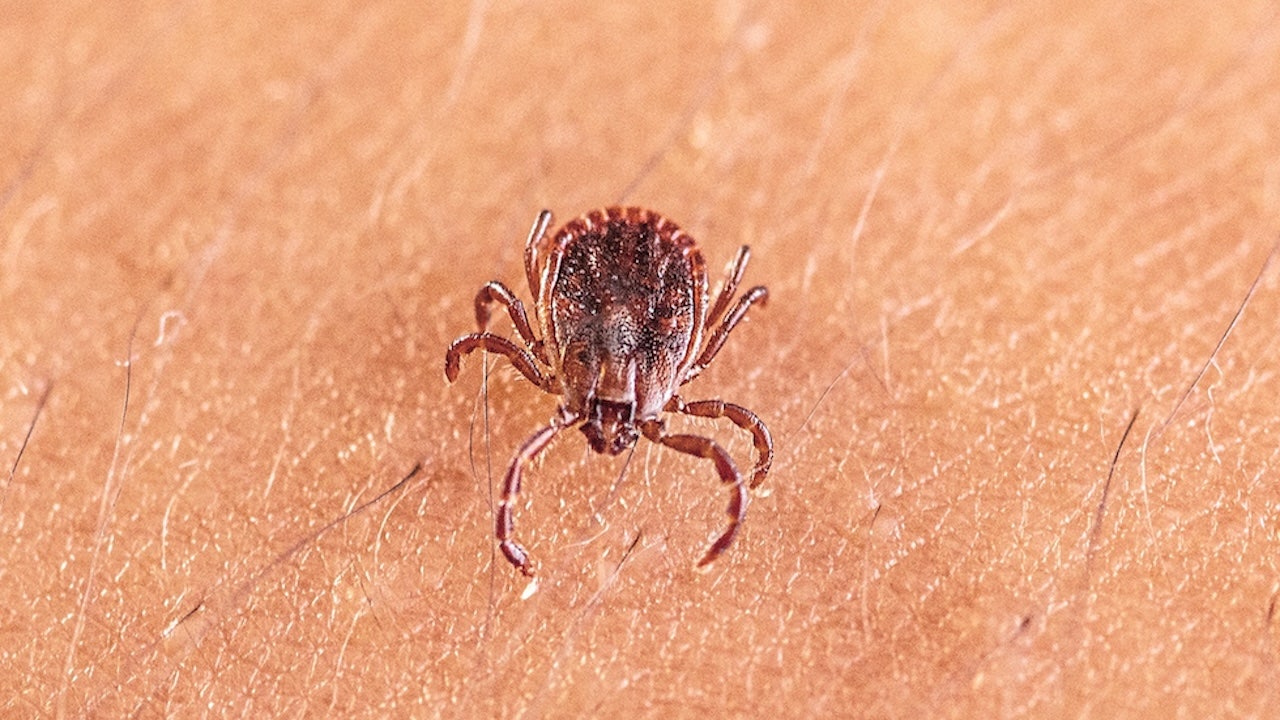
Source: Fox News
Summary
A new tick-borne virus, the Asian longhorned tick nairovirus (ALTNV), has been identified in China, causing flu-like symptoms, fatigue, and gastrointestinal issues. The virus, part of the orthonairovirus group, was found in 10.4% of 3,163 tick-bite patients. Researchers linked it to thrombocytopenia and liver inflammation. Some patients also had Dabie bandavirus (DBV), which is associated with severe fever with thrombocytopenia syndrome. The study, published in the New England Journal of Medicine, noted that co-infection with ALTNV and DBV led to more severe outcomes, including deaths. Experts emphasized the need for better diagnostic tools to distinguish between these viruses.
Our Reading
This guidance has been heard before.
Scientists find new viruses. Patients get sick. Experts warn about overlap. New names, same problems.
Tick-borne illnesses keep reappearing. Some are deadly. Others are less so. No cures. No vaccines.
Diagnosis matters. Treatment depends on what’s found. But what if the test misses something?
The same ticks carry different diseases. The same people get sick. The same warnings come again.
Author: Evan Null
Scientists Identify New Tick-Borne Virus in China
Researchers in China have discovered a new tick-borne virus called the Asian longhorned tick nairovirus (ALTNV). The virus causes flu-like symptoms, fatigue, and gastrointestinal issues. It is part of the orthonairovirus group and has been linked to thrombocytopenia and liver inflammation.
The virus was identified in 10.4% of 3,163 patients who had been bitten by ticks. Some of these patients also had Dabie bandavirus (DBV), a tick-borne hemorrhagic fever. Co-infection with both viruses led to more severe outcomes, including deaths.
Dr. Sharon Nachman, a pediatric infectious disease expert, said that the findings highlight the need for better diagnostic tools. She emphasized that tick-borne illnesses can overlap, making it difficult to determine the exact cause of symptoms.
The study, published in the New England Journal of Medicine, noted that while ALTNV can cause low platelet counts, it was not directly linked to severe bleeding or deaths. The fatal cases involved patients who were also infected with DBV.
Experts warn that there is no cure or vaccine for ALTNV. They recommend supportive care and caution against using antibiotics, which are only effective against bacterial infections.
Tick-Borne Viruses and the Challenge of Diagnosis
Tick-borne viruses can cause a range of symptoms, from mild flu-like illness to severe complications. The challenge lies in identifying the exact virus responsible, as symptoms often overlap. This makes accurate diagnosis essential for appropriate treatment.
Dr. Nachman explained that while some tick-borne illnesses can be managed with supportive care, others require more intensive interventions. She stressed the importance of differential diagnosis, especially in regions where multiple tick-borne viruses are present.
The study highlights the complexity of tick-borne diseases. Patients may be infected with more than one virus at the same time, which can complicate treatment and worsen outcomes. This underscores the need for improved testing and identification methods.
Experts also note that the presence of multiple viruses in the same region increases the risk of co-infections. This can lead to more severe illness and higher mortality rates, particularly in vulnerable populations.
As research continues, the focus remains on understanding the full range of tick-borne viruses and developing better strategies for prevention and treatment.
Public Health Warnings and Preventive Measures
Public health officials are urging people to take preventive measures against tick bites, especially in areas where tick-borne diseases are common. Wearing long pants and using tick repellents are recommended to reduce the risk of infection.
Dr. Nachman advised people to check their bodies for ticks after spending time outdoors. The longer a tick remains attached, the higher the risk of transmitting disease. Prompt removal is crucial to prevent infection.
While the Asian longhorned tick is not yet found in the U.S., other tick species carry a variety of diseases. The risk depends not only on the tick but also on the individual’s health and immune status.
For healthy adults, some tick-borne illnesses may resolve without treatment. However, for those with weakened immune systems, the same infections can be severe and even life-threatening.
Public health messages continue to emphasize the importance of awareness and prevention. As new viruses are identified, the need for vigilance and education remains high.
Implications for Global Health and Future Research
The discovery of ALTNV adds to the growing list of tick-borne viruses that pose a public health challenge. Researchers are working to understand the full impact of these viruses and develop better diagnostic tools and treatments.
Public health agencies are monitoring the spread of tick-borne diseases and updating guidelines to reflect new findings. This includes improving surveillance and enhancing communication with the public about prevention and early detection.
As more viruses are identified, the need for global collaboration increases. Scientists and health officials must work together to track outbreaks, share data, and develop strategies to protect vulnerable populations.
Future research will focus on understanding the long-term effects of these infections and exploring potential treatments. However, the current lack of cures and vaccines highlights the urgency of finding new approaches to combat these diseases.
For now, the emphasis remains on prevention, early detection, and public education. As new viruses emerge, the challenge of keeping communities safe continues to evolve.
Challenges in Managing Tick-Borne Illnesses
Managing tick-borne illnesses presents a unique set of challenges. The symptoms are often non-specific, making it difficult to determine the exact cause of infection. This can delay diagnosis and treatment, especially in regions where multiple tick-borne viruses are present.
Healthcare providers must rely on a combination of clinical symptoms, laboratory tests, and patient history to identify the virus. However, the lack of rapid and accurate diagnostic tools can lead to misdiagnosis and inappropriate treatment.
Public health officials are working to improve diagnostic capabilities and expand access to testing. This includes developing new assays and enhancing surveillance systems to detect emerging viruses more quickly.
As the number of tick-borne viruses increases, so does the complexity of managing these diseases. This requires ongoing research, education, and collaboration between scientists, healthcare providers, and public health agencies.
Despite these challenges, efforts continue to improve outcomes for patients and reduce the burden of tick-borne illnesses on communities and healthcare systems.