
Seattle Woman Questions Argentine Beef At Trader Joe’s
Source: BroBible
Summary
A Seattle woman shared concerns about Argentine beef at Trader Joe’s after a viral video. The post discussed U.S. beef import policies and recent recalls. The USDA inspects imported beef, including from Argentina, to ensure safety. Some consumers distrust the process, while others defend the quality. The article highlights public anxiety over meat sourcing and government oversight.
Our Reading
The routine arrives with confidence.
People panic over meat from a country they don’t understand.
Experts say it’s safe, but no one listens.
Everyone’s a food critic, but no one’s a farmer.
It’s not horse meat—it’s just a different kind of fear.
Author: Evan Null
Trader Joe’s Argentine Steak
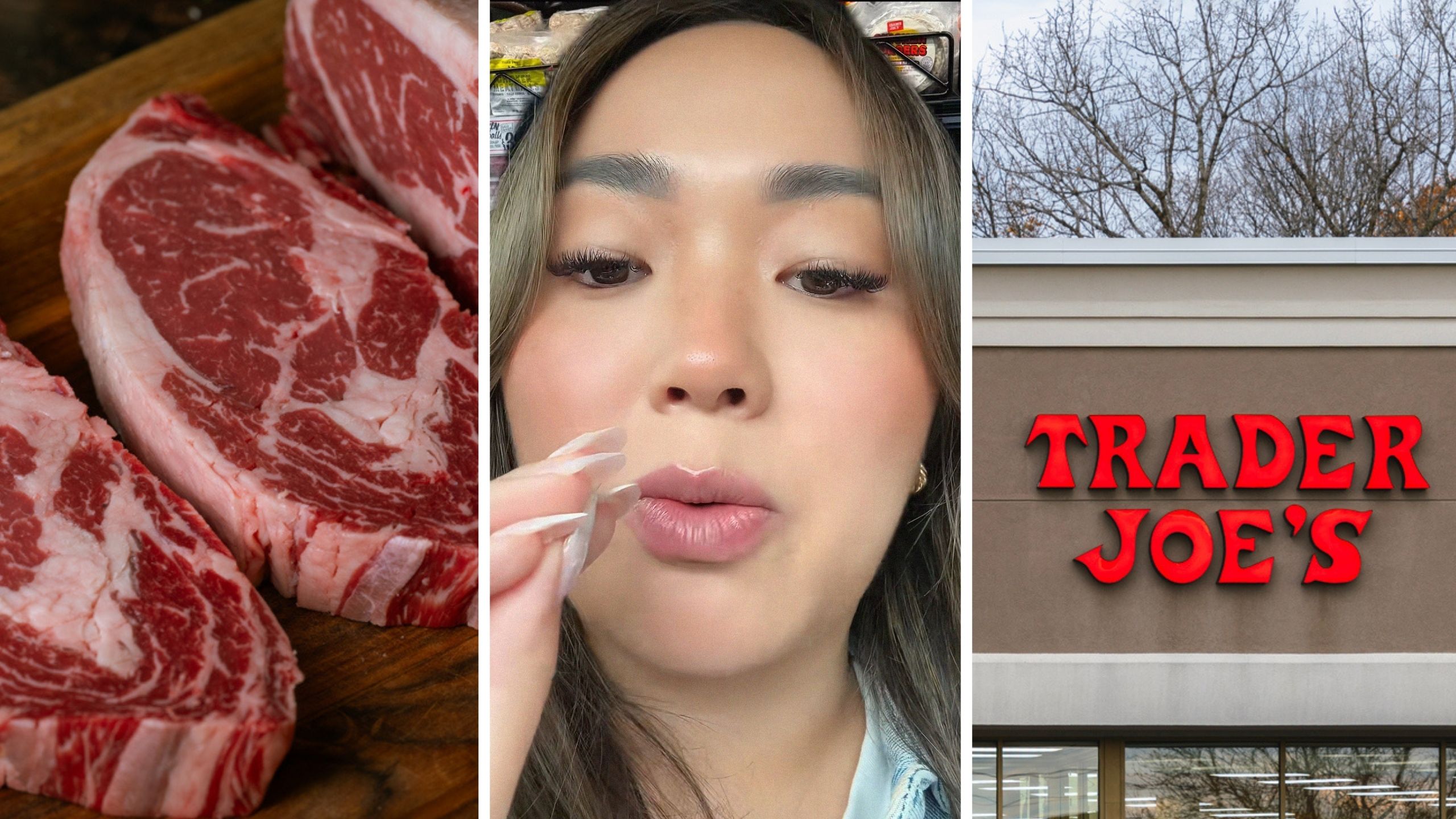
A Seattle woman posted a video questioning Argentine beef at Trader Joe’s. She showed cuts like New York Strip and Ribeye, all from Argentina. Her concern was genuine, but the internet had already made up its mind. People started calling it horse meat, even though no one had seen any.
The video got 466,000 views, proving that fear travels faster than facts. The woman wasn’t trying to start a movement—just asking a question. But in the age of misinformation, even a simple question becomes a crisis.
She wasn’t the first to question meat from Argentina. The USDA had recently recalled 30,000 pounds of beef, and China had banned some imports. But the U.S. still has strict inspection processes, even for foreign meat.
Despite this, many people still don’t trust the system. They’d rather go to a butcher than buy from a big store. It’s not about the meat—it’s about the story behind it.
Some defended the beef, saying it’s some of the best in the world. Others said it’s just another reason to avoid red meat altogether. The debate raged on, as it always does, with no clear answer.
Is It Safe To Buy Beef From Argentina?
The USDA has strict rules for imported beef. Argentina must meet U.S. standards, and the meat is inspected multiple times. But the recent recall wasn’t about the beef itself—it was about poor inspection before it reached the market.
Consumers are skeptical. They don’t trust the government to do its job, even when it’s clearly trying. Some say they’ll avoid beef for 90 months, while others insist it’s safe. The divide is wide, but the facts are clear.
The internet turned a simple question into a full-blown controversy. People don’t want to eat horse meat, but they also don’t want to trust the system. It’s a cycle of fear and misinformation that never ends.
Some argue that U.S. beef is just as bad, if not worse. But that’s not the point. The point is that people are scared, and they’re not going to be convinced otherwise.
The debate over Argentine beef is just another example of how fear can shape public opinion. It’s not about the meat—it’s about the message.
Consumers Are Concerned
The comments section of the video was full of fear. People said they wouldn’t eat beef for 90 months, or maybe forever. Others said the answer was no, they wouldn’t buy it. It was a sea of doubt, with no clear solution.
Some suggested going to a butcher instead. Others defended the beef, saying it was safe and high quality. The divide was clear: some people trusted the system, others didn’t. And neither side was willing to budge.
The internet turned a simple question into a crisis. People didn’t want to know the facts—they wanted to believe the worst. And that’s what they got. Fear is powerful, and it’s hard to fight.
But the truth is, the beef is safe. The inspection process is thorough, and the government is doing its job. But that doesn’t matter when people are already convinced it’s not.
The real issue isn’t the meat—it’s the message. People don’t trust the system, and they never will. That’s the real story here.
BroBible’s Take
BroBible covered the story with a mix of concern and curiosity. They reached out to the woman and Trader Joe’s, but got no real answers. The article highlighted the public’s fear and the government’s role in ensuring safety.
The post was meant to inform, but it also played into the fear. The headline was a question, not a statement. That’s the way it always is—ask a question, and the internet will give you an answer.
The article didn’t take a side, but it didn’t have to. The public had already made up its mind. The real story was the reaction, not the facts. And that’s what BroBible focused on.
They didn’t say it was safe or unsafe. They just asked the question and let the comments do the rest. That’s the way it always works—let the readers decide.
The post was a reflection of the times. People are scared, and they’re not going to be convinced otherwise. That’s the real takeaway.
Final Thoughts
The story of Argentine beef at Trader Joe’s is a microcosm of modern food anxiety. People are scared of what they don’t understand, and they’re quick to jump to conclusions. The internet only makes it worse.
The facts are there, but they don’t matter. People don’t want to know the truth—they want to believe the worst. That’s the real issue here, not the beef itself.
The debate over meat is never-ending. It’s not about safety, it’s about control. People want to feel like they’re making the right choice, even if they’re not.
The real takeaway is that fear is powerful. It can shape opinions, influence decisions, and create crises out of nothing. That’s what happened here, and it will happen again.
So next time you see a video about meat, remember—fear is the real story. Not the beef, not the government, but the fear. That’s what people are really talking about.
