Source: Fortune.com
Summary
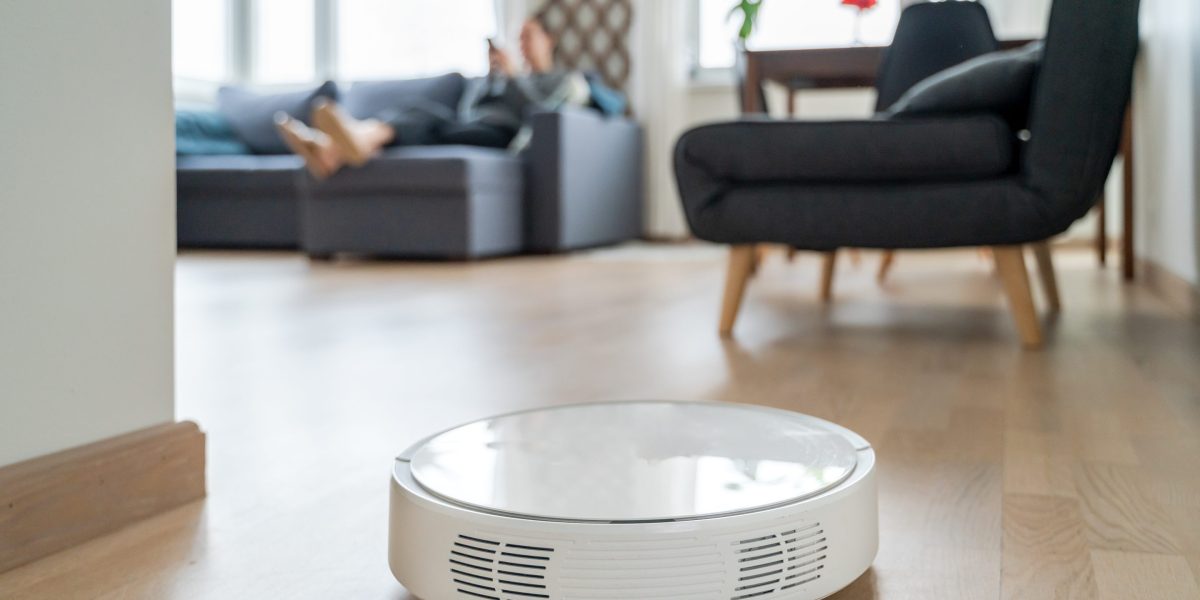
A software engineer, Sammy Azdoufal, accidentally gained access to nearly 7,000 robot vacuums across 24 countries, highlighting a significant security gap in the rapid integration of automated systems. The incident reveals the potential risks of unchecked connectivity, with millions of Americans welcoming internet-connected devices into their homes. Companies like Tesla and Amazon are racing to introduce sophisticated, humanoid autonomous robots, raising concerns about surveillance capabilities and data security.
Our Reading
The numbers tell one story. DJI’s robot vacuum vulnerability exposed a massive security gap, with Azdoufal gaining access to 7,000 devices. Tesla and Amazon are pushing humanoid robots into homes, increasing surveillance capabilities. Thales warns of a nightmare scenario, with 70% of organizations citing AI as their top data security risk. The lack of visibility and foundational data control is a core issue, with only 34% of organizations knowing where their sensitive data resides.
The core issue is a shocking lack of visibility and foundational data control. The Thales report reveals only 34% of organizations actually know where all their sensitive data resides. And because AI systems continuously ingest and act upon information across vast cloud environments, it is incredibly difficult to enforce “least-privilege access,” or the practice of granting only the minimum necessary access rights. If a machine’s credentials—such as tokens or API keys—are compromised, the resulting data exposure can be devastating.
Author: Evan Null