Source: Fox News
Summary
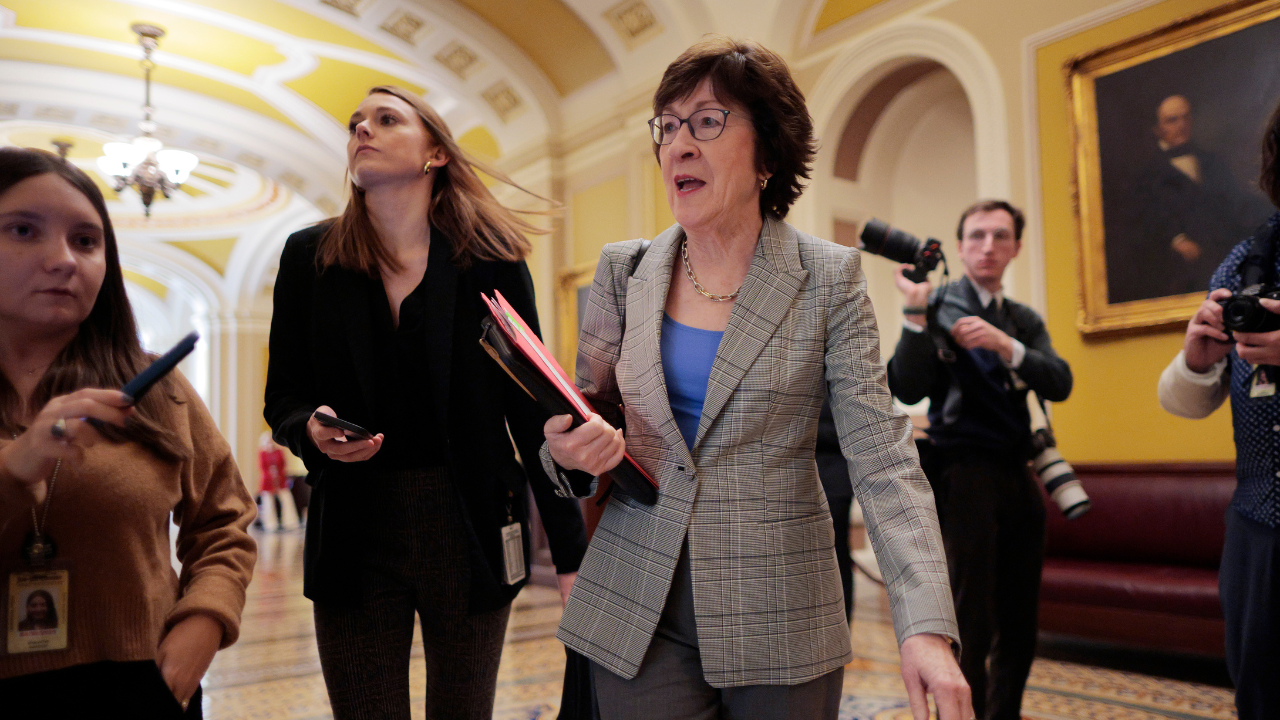
Maine Sen. Susan Collins, a Republican, dismissed reports that she was involved in an FBI bribery investigation, calling the claims the work of Democratic operatives and a convicted fraudster, Martin Kao. ProPublica reported that Kao, a former defense contractor, told the FBI that his company funneled $150,000 through a shell company to a super PAC supporting Collins’ 2020 reelection. Collins criticized Kao’s credibility and blamed Democrats for the story. The FBI previously investigated Collins and found no evidence of wrongdoing, but a new probe was opened in 2024 after Kao’s cooperation.
Our Reading
As expected, the matter has reached another stage.
Collins says the man is a liar, a criminal, a fraud.
She says the story is a hit job, a smear, a political move.
She says the FBI cleared her years ago, but now there is a new phase.
It’s the same script, just a different scene.
Author: Evan Null
Political Rituals and Reactions
Susan Collins, a Republican senator from Maine, has been accused of being involved in a bribery investigation. The claims come from Martin Kao, a former defense contractor and convicted fraudster, who told the FBI that his company funneled money to a super PAC supporting Collins’ 2020 reelection. Collins dismissed the report, calling it a hit job by Democrats and a known conman.
Collins criticized Kao’s credibility, citing his multiple convictions for fraud and money laundering. She also questioned the timing of the report, blaming Senate Minority Leader Chuck Schumer and the Democratic Party for the controversy. The story comes as Collins faces a tight reelection race against Democrat Troy Jackson, with the outcome potentially affecting the Senate’s control in 2027.
ProPublica reported that a shell company linked to Kao donated to a super PAC supporting Collins. Emails obtained by the outlet suggest that the super PAC’s leader was aware of the illegal donation. A 2019 email also shows Collins advocated for Navatek, the company Kao led at the time, though the donation came later.
The FBI previously investigated Collins and found no evidence of wrongdoing, but a new probe was launched in 2024 after Kao began cooperating with federal agents. Collins claimed the Justice Department and FBI had cleared her five years ago, but she did not directly address the new investigation.
Kao, facing prison time, cooperated with the FBI in hopes of reducing his sentence, though the judge gave him no leniency. Collins called the report a smear job and said it offended her and her staff. Her office did not comment when contacted by Fox News Digital.
Performance of Denial and Accusation
Collins’ response to the allegations followed a familiar pattern. She attacked the credibility of the accuser, emphasizing his criminal history and labeling the story as politically motivated. This is a common tactic in political disputes, where the focus shifts from the issue to the character of the person bringing it up.
She also pointed fingers at the Democratic Party, a standard move when facing allegations. By blaming Senate Minority Leader Chuck Schumer, she framed the story as a partisan attack rather than a legitimate investigation. This strategy is often used to deflect attention from the actual claims and shift the narrative.
Collins’ office did not provide a direct response to the allegations, instead relying on statements from the senator herself. This is a common practice in political campaigns, where official responses are carefully managed to avoid admitting fault or providing further ammunition to opponents.
The timing of the report, just months before the 2024 election, adds to the perception that it is a political move. Collins’ campaign is already in a tight race, and any controversy could influence voters. The story, whether true or not, has become a part of the broader political narrative.
The FBI’s involvement and the new investigation add a layer of complexity. While Collins claims she was cleared years ago, the fact that a new probe was opened suggests that the matter is not fully resolved. This ambiguity keeps the story alive in the public eye, further fueling the political spectacle.
The Cycle of Accusation and Denial
The pattern of accusation and denial is a recurring theme in political scandals. When a claim is made, the accused often responds by attacking the credibility of the accuser and shifting blame onto others. This creates a cycle that keeps the issue in the public eye, regardless of the truth.
Collins’ response to the allegations followed this pattern. She dismissed the story as a hit job and attacked the character of Martin Kao, a known fraudster. This is a common strategy to undermine the credibility of the person making the accusation, rather than addressing the claims directly.
She also blamed the Democratic Party, a tactic used to frame the story as a partisan attack. This approach is often used to deflect attention from the actual issue and shift the focus to the political motivations behind the allegations.
The FBI’s previous investigation and the new probe add a layer of complexity. While Collins claims she was cleared, the fact that a new investigation was opened suggests that the matter is still under scrutiny. This ambiguity keeps the story in the public eye and fuels further speculation.
Collins’ campaign, already in a tight race, is now facing additional scrutiny. Whether the allegations are true or not, the story has become part of the broader political narrative, influencing public perception and voter sentiment.
Political Routines and Public Perception
Political scandals often follow a predictable routine. When allegations are made, the accused typically respond by attacking the credibility of the accuser and shifting blame onto others. This pattern is designed to protect the accused’s reputation and avoid direct confrontation with the claims.
Collins’ response to the allegations followed this routine. She dismissed the story as a hit job and attacked the character of Martin Kao, a known fraudster. This is a common tactic used to undermine the credibility of the person making the accusation, rather than addressing the claims directly.
She also blamed the Democratic Party, a standard move in political disputes. By pointing fingers at Senate Minority Leader Chuck Schumer, she framed the story as a partisan attack rather than a legitimate investigation. This strategy is often used to deflect attention from the actual issue and shift the narrative.
The FBI’s involvement and the new investigation add a layer of complexity. While Collins claims she was cleared years ago, the fact that a new probe was opened suggests that the matter is still under scrutiny. This ambiguity keeps the story in the public eye and fuels further speculation.
Collins’ campaign, already in a tight race, is now facing additional scrutiny. Whether the allegations are true or not, the story has become part of the broader political narrative, influencing public perception and voter sentiment.
Performance of Integrity and Denial
Collins has positioned herself as a defender of integrity, repeatedly emphasizing her commitment to serving with honesty and dignity. This is a common political performance, where leaders frame themselves as the moral authority in a debate, even when facing serious allegations.
She has also emphasized that the FBI cleared her years ago, a claim that is meant to reassure her supporters and undermine the credibility of the current allegations. This is a standard tactic in political disputes, where past investigations are used to justify current denials.
Her response to the allegations followed a familiar pattern. She attacked the credibility of the accuser, dismissed the story as a hit job, and shifted blame onto the Democratic Party. This strategy is designed to protect her reputation and avoid direct confrontation with the claims.
The timing of the report, just months before the 2024 election, adds to the perception that it is a political move. Collins’ campaign is already in a tight race, and any controversy could influence voters. The story, whether true or not, has become a part of the broader political narrative.
Collins’ office did not provide a direct response to the allegations, instead relying on statements from the senator herself. This is a common practice in political campaigns, where official responses are carefully managed to avoid admitting fault or providing further ammunition to opponents.