Source: Fortune
Summary
Two US senators, Marsha Blackburn and Richard Blumenthal, sent a letter to TikTok executives demanding answers about an experiment that withheld a safety feature from millions of users, including a teenager who died by suicide. The experiment, detailed in a 2023 internal document, involved disabling an algorithmic safeguard for 10% of US users, exposing them to harmful content. The senators called the action “depraved” and questioned TikTok’s commitment to user safety. The company did not respond to the letter but stated it is committed to user safety. The senators asked for detailed information about the experiment and its impact on minors.
Our Reading
The numbers tell one story.
TikTok disabled a safety feature for 15 million users to test its impact on engagement.
A 16-year-old boy was exposed to harmful content and died by suicide during the experiment.
The company’s internal document called the decision a “delicate balance” between safety and metrics.
The senators demand full transparency, calling the experiment a betrayal of user trust.
Author: Evan Null
Senators Demand Answers
Two US senators, Marsha Blackburn and Richard Blumenthal, have demanded answers from TikTok executives regarding an experiment that withheld a safety feature from millions of users. The experiment, which was detailed in a confidential 2023 document, raised serious concerns about the company’s commitment to user safety.
The senators called the experiment “depraved” and questioned TikTok’s assurances that it prioritizes the safety of young people over profit. They emphasized that the company had been aware of the risks associated with its algorithms for years before conducting the test.
The experiment involved disabling an algorithmic safeguard for 10% of US users, exposing them to harmful content. One of those users was a 16-year-old boy who died by suicide after being fed content about sadness, hopelessness, and suicide.
The senators are demanding a complete, unredacted version of the internal document and answers to 13 specific questions about the experiment. They have given TikTok until September 1 to respond.
The incident has reignited calls for stronger child safety laws online, with both senators pushing for legislation that would prioritize user safety over corporate profits.
Internal Document Reveals Experiment
A confidential 2023 company document revealed that TikTok intentionally turned off an algorithmic safeguard for 10% of US users, creating a control group. The safeguard was designed to prevent users from being exposed to harmful content in echo chambers. This control group included approximately 15 million people.
The document stated that the decision to disable the safety feature was a “delicate balance” between safety and the ability to measure its impact on daily active users and core metrics. The company’s internal analysis suggested that the experiment was conducted to assess the effect of the safety feature on user engagement.
The experiment was conducted without informing users, and it was not disclosed to the public until a Bloomberg Businessweek report surfaced. The report detailed how one user, a 16-year-old boy, was exposed to a large volume of content related to depression and suicide before his death.
TikTok did not respond to the senators’ letter but released a statement emphasizing its commitment to user safety. The company said it continues to invest in Trust & Safety measures, including detection systems and enforcement teams.
The document also highlighted that the experiment was conducted despite prior concerns raised by Congress about TikTok’s algorithm and its impact on young users.
Senator Criticizes TikTok’s Actions
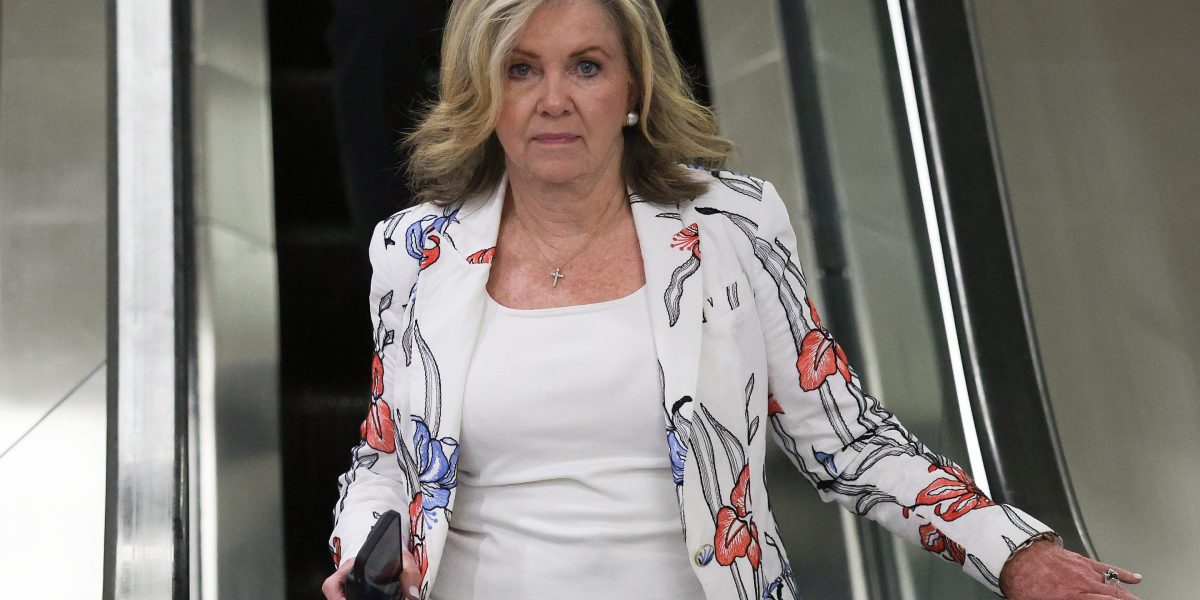
Senator Marsha Blackburn called TikTok’s experiment “inconceivable” and criticized the company for prioritizing profits over user safety. She emphasized that the experiment used users as “products” and highlighted the devastating impact on a 16-year-old boy who died by suicide during the test.
Blackburn stated that the experiment demonstrated how social media platforms can prioritize engagement metrics and corporate profits over the well-being of children. She called for stronger legislation to hold tech companies accountable for the safety of their users.
The senator also emphasized that American families have waited too long for protections for children online and urged for the fast-tracking of child safety bills. She co-authored the Kids Online Safety Act (KOSA), which aims to force tech platforms to prioritize child safety over profits.
Blackburn and other lawmakers are pushing for the revival of KOSA, which includes a duty-of-care provision that would require tech companies to exercise reasonable care to prevent mental health harms to minors.
The experiment has sparked renewed calls for stricter regulations on social media platforms, with lawmakers arguing that current measures are insufficient to protect young users from harmful content.
Legislative Response and Concerns
Senator Marsha Blackburn and Representative Gus Bilirakis have both expressed deep concern over TikTok’s experiment and the broader issue of online safety for children. They argue that tech companies prioritize engagement metrics and profits over the well-being of young users.
Bilirakis, a Republican from Florida, echoed Blackburn’s concerns and called for stronger legislation to protect children from harmful content. He emphasized that the experiment demonstrated the “devastating consequences” of prioritizing profits over safety.
The senators have been vocal about the need for legislative action, with Blackburn pushing for the revival of the Kids Online Safety Act (KOSA). The bill, which she co-authored with Senator Richard Blumenthal, aims to force tech platforms to prioritize child safety above profits.
However, the bill faced challenges in the House, where a key provision requiring companies to exercise reasonable care to prevent mental health harms to minors was removed due to First Amendment concerns.
Despite this, the Senate has moved forward with the original version of KOSA, including the duty-of-care provision, which Blackburn believes would prevent future experiments like the one conducted by TikTok.
Company Response and Public Reaction
TikTok did not respond directly to the senators’ letter but released a statement emphasizing its commitment to user safety. The company stated that it continues to invest in Trust & Safety measures, including detection systems and enforcement teams to remove harmful content.
However, the company’s actions have drawn criticism from lawmakers and advocacy groups, who argue that the experiment highlights a lack of accountability in the tech industry. The incident has also sparked public outrage, with many questioning how a major social media platform could conduct such an experiment without user consent.
Public reaction has been mixed, with some users expressing concern over the company’s practices and others defending its right to test features to improve user experience. However, the death of a 16-year-old boy during the experiment has intensified calls for greater oversight of social media platforms.
Lawmakers and advocacy groups are continuing to push for stronger regulations to ensure that user safety is prioritized over corporate interests. The incident has also led to renewed discussions about the role of social media in mental health and the need for more transparency from tech companies.
The ongoing debate highlights the growing tension between innovation and accountability in the digital age, with many calling for a more responsible approach to user safety and content moderation.