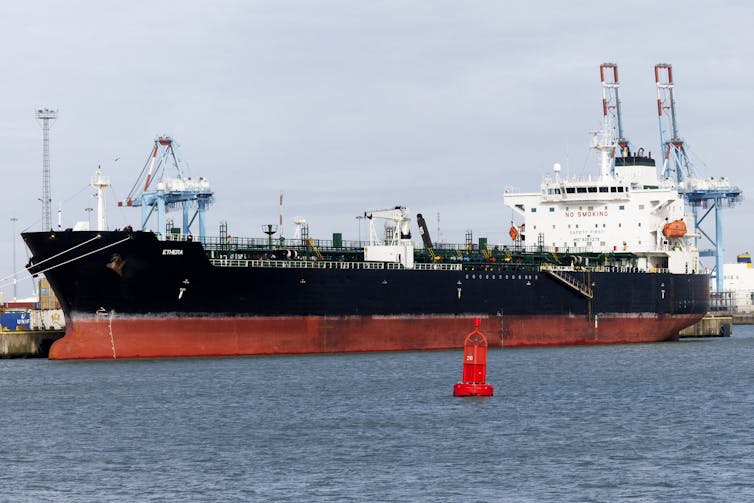
Source: Fortune
Summary
The Strait of Hormuz, a critical oil shipping choke point, has been effectively closed due to the conflict between the US, Israel, and Iran. As a result, oil tanker traffic has collapsed, with over 400 tankers stranded in the Persian Gulf. However, some vessels, known as the “shadow fleet,” continue to operate outside the rules, ignoring international restrictions and sanctions. These ships exist because the maritime system is voluntary, and companies can opt out of regulations by registering under flags of convenience and using less reputable ports. The shadow fleet has been used by countries like Iran and Russia to evade sanctions, and its existence reveals the weaknesses of the maritime system.
Our Reading
The strategy enters a familiar phase.
The Strait of Hormuz, once a critical oil shipping route, is now a battleground for the shadow fleet. Iran and Russia have been using this fleet to evade sanctions, and its existence reveals the weaknesses of the maritime system. The system’s voluntary nature allows companies to opt out of regulations, and the lack of enforcement mechanisms makes it difficult to track and monitor ships. The shadow fleet’s activities have significant implications for the global economy and international relations.
Iran and Russia’s use of the shadow fleet is a signal that they are willing to opt out of the maritime system’s rules to achieve their goals.
Author: Evan Null