Source: Fortune.com
Summary
Oil flows through the Strait of Hormuz have returned to prewar levels despite ongoing attacks by Iran. Tanker crews are earning significantly higher pay for navigating the dangerous waterway, with some making up to $100,000 a month plus bonuses. The increased risk has led to higher freight rates, with daily costs reaching $1.3 million. Shipowners are also paying for insurance, which can cost up to 10% of a ship’s value. Analysts warn that Iran’s continued aggression could escalate the situation, potentially disrupting global oil trade.
Our Reading
The numbers tell one story.
Iran’s attacks have not stopped oil flows, but they’ve made the job more dangerous.
Tanker crews are getting paid more to take the risk.
Freight rates are at historic highs, driven by the need for ships to navigate the strait.
The danger money is a clear signal of the risks involved.
The situation is a test of how much the market can absorb before it breaks.
Author: Evan Null
High-Risk, High-Reward
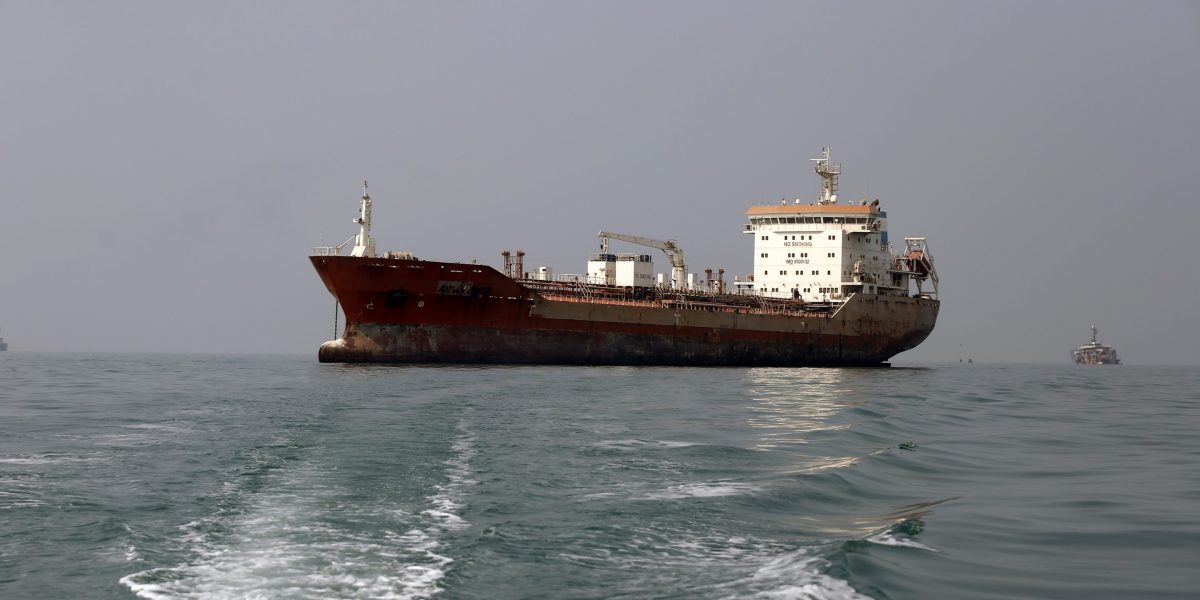
The Strait of Hormuz remains a critical chokepoint for global oil trade. Despite increased attacks from Iran, oil flows have returned to prewar levels. This resilience shows the importance of the waterway, even as it becomes more dangerous. The risk is not just in the attacks but in the broader geopolitical tensions that continue to escalate. Companies and governments are all trying to manage the uncertainty, but the situation remains volatile.
Pay for the Peril
Tanker crews are earning significantly more for navigating the Strait of Hormuz. A captain can make up to $100,000 a month, plus a $50,000 bonus per trip. This pay increase is necessary to keep crews on board, as the risks are high. Some sailors are making up to six times their normal pay for these trips. The danger money is a direct response to the increased threats and the need to attract and retain workers in a high-risk environment.
Freight Rates Soar
Freight rates for shipping oil through the Strait of Hormuz have hit record highs, reaching $1.3 million per day. This is a significant increase from last year’s rates of $20,000 to $50,000 per day. The surge in costs is due to the increased risk and the need for additional security measures. Shipowners are also paying for insurance, which can cost up to 10% of a ship’s value. These costs are being passed on to oil producers and traders, who are now considering owning their own tankers to control expenses.
Global Impact
The increased costs of shipping through the Strait of Hormuz are having a ripple effect on the global market. The shortage of tankers has driven up freight rates worldwide. Some estimates suggest that hiring a tanker from the U.S. to China now costs $80 million, more than a SpaceX Falcon 9 launch. This has forced oil producers and traders to rethink their strategies. The high costs could eventually reduce margins, leading to lower production and higher prices for consumers.
Escalation Risks
Analysts warn that the situation in the Persian Gulf could escalate further. Iran’s continued aggression and the potential for a broader conflict could disrupt oil flows and increase the risks for crews. The threat of a scorched earth campaign by Iran remains a concern, especially if diplomatic efforts fail. The situation is being closely watched by global markets, as any disruption could have significant economic consequences. The balance between risk and reward is delicate, and the next move could tip the scales.