Source: FOX News
Summary
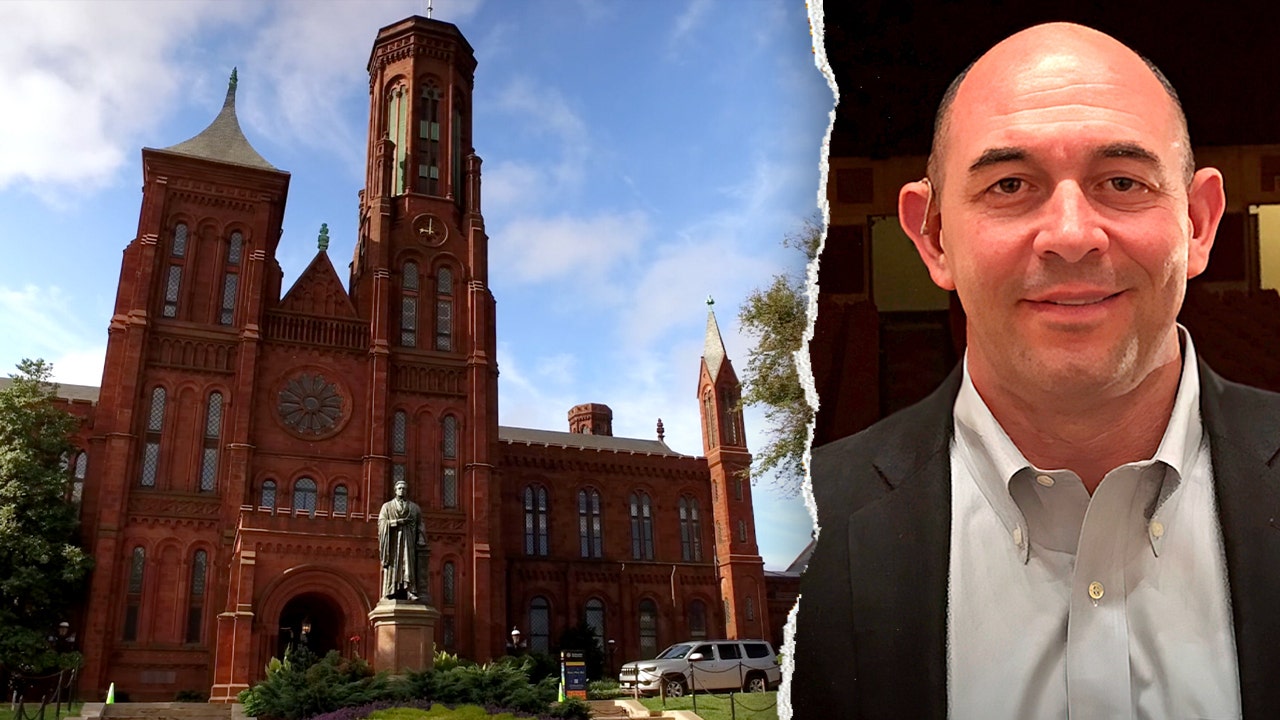
A Black conservative filmmaker, Eli Steele, is seeking a public screening for his documentary “White Guilt” at the Smithsonian’s African American history museum, which has previously shown films on systemic racism. The film, based on his father’s book, argues that white guilt and fear of being labeled racist have led institutions to prioritize racial identity over merit. The museum declined his request for public screening dates and offered a private rental option instead. Steele questioned whether viewpoint diversity exists at the museum, citing the inclusion of films like “13th” in its programming.
Our Reading
As expected, the matter has reached another stage.
The museum declines a public screening.
A private rental is offered instead.
Steele questions the museum’s commitment to viewpoint diversity.
Public screenings seem to follow a familiar pattern of exclusion.
Author: Evan Null
Black Conservative Filmmaker’s Struggle for Smithsonian Screening
Eli Steele, a Black conservative filmmaker, is seeking a public screening for his documentary “White Guilt” at the Smithsonian’s African American history museum. The film, based on his father’s book, challenges progressive views on race and identity. Steele has drawn on his own experiences to argue that white guilt and fear of being labeled racist have led institutions to prioritize racial identity over merit.
The dispute comes as the Smithsonian faces pressure from President Donald Trump and his administration over allegations of ideological bias in its portrayal of American history. The White House has accused the institution of promoting progressive narratives and threatened to restrict federal support, escalating a broader battle over whose perspectives are represented in the nation’s museums.
Steele provided communications to Fox News Digital showing that the museum declined his proposed screening dates and offered him a private rental option instead. The filmmaker says the museum has yet to respond to his request for alternative dates for a public screening. Steele questioned whether viewpoint diversity exists at the museum, citing the inclusion of films like “13th” in its programming.
Other Black conservatives saw the museum’s handling of his request as part of a familiar pattern. Carol Swain, a retired Black conservative professor, said academia has become less tolerant of conservative views over the years. Jason Riley, a Wall Street Journal columnist, argued that the Smithsonian’s leadership is part of a broader liberal intelligentsia that promotes a political agenda.
The museum told Steele that his proposed dates were unavailable but did not explain whether it would consider alternative dates for a public screening. Steele and his team reached out to the Smithsonian in late August about a public screening, receiving a response within the day directing them to fill out an event application form. In early September, they submitted a completed application form and provided two possible dates for a screening.
Smithsonian Faces Criticism Over Ideological Bias
The Smithsonian has been the target of criticism from Republican elected officials, including the president, who argue that the institution has allowed political bias to overshadow the neutral presentation of history. Some within the organization reject these claims, stating that they are simply presenting the good and the bad aspects of the American story. As part of its effort to pressure the Smithsonian over what it describes as ideological bias, the Trump administration has threatened to restrict federal support, including discretionary grants and cooperation from federal agencies.
While Riley and Swain raised questions about the Smithsonian’s motives, the museum told Steele that his proposed dates were unavailable but did not explain whether it would consider alternative dates for a public screening. Steele and his team reached out to the Smithsonian in late August about a public screening, receiving a response within the day directing them to fill out an event application form. In early September, they submitted a completed application form and provided two possible dates for a screening.
About two weeks later, the NMAAHC responded by informing them that neither date was available for a public screening, according to the correspondence. After Steele’s team asked about alternatives, the museum offered them the option of renting space for a private screening at a quoted cost of $35,000, according to correspondence reviewed by Fox News Digital, rather than arranging a museum-sponsored public screening.
When Steele and his team clarified that they wanted a public screening and signaled flexibility on their requested dates, they received no response from the museum, per correspondence reviewed by Fox News Digital. Steele said answering email does not take that much time. Glenn Loury, an African American professor at Brown University, praised the film and said it would be an appropriate use of the Smithsonian’s platform to screen it.
NMAAHC did not respond to a request for comment when reached by Fox News Digital. Steele said his father, Shelby Steele, was born into segregation and has spent decades examining how America has changed, how far we have come, and what still divides us. “White Guilt,” drawing on his 2006 book, brings that work to the screen. Steele said they approached the Smithsonian’s African American museum because they believe that conversation belongs there.
Controversy Over Smithsonian’s Programming
The controversy over the Smithsonian’s programming has sparked debate about the representation of diverse viewpoints in national institutions. While the museum has showcased films that examine systemic racism, some critics argue that it has not been open to conservative perspectives. The dispute highlights the broader tension between progressive narratives and the push for viewpoint diversity in public institutions.
Steele’s film, “White Guilt,” challenges the idea that racial identity should be the primary factor in determining opportunities and outcomes. The film argues that the focus on race has led to a form of “white guilt” that influences institutional decisions. This perspective has drawn both support and criticism, with some arguing that it offers a necessary counterpoint to dominant narratives.
The Smithsonian’s response to Steele’s request has been seen by some as indicative of a broader pattern of exclusion. While the museum has allowed other films with more progressive messages to have public screenings, it has not extended the same opportunity to Steele’s work. This has raised questions about the museum’s commitment to presenting a balanced view of American history.
Glenn Loury, an African American professor at Brown University, praised the film and said it would be an appropriate use of the Smithsonian’s platform to screen it. He argued that the film’s arguments, while provocative, are insightful and worthy of discussion. Loury suggested that the Smithsonian should consider screening the film to encourage critical engagement with its themes from all perspectives.
The debate over the Smithsonian’s programming reflects a larger conversation about the role of public institutions in shaping historical narratives. As the museum continues to face pressure from both sides of the political spectrum, the question of how to balance diverse viewpoints remains a central issue.
Smithsonian’s Response and Public Reaction
The Smithsonian’s response to Steele’s request has been met with mixed reactions. While the museum has not provided a clear explanation for its decision, some have interpreted its actions as a reflection of broader ideological biases. The offer of a private screening at a high cost has been seen by some as an attempt to avoid public scrutiny of the film’s content.
Public figures and scholars have weighed in on the controversy, with some expressing support for Steele’s efforts to bring his film to a wider audience. Carol Swain, a retired Black conservative professor, argued that academia has become less tolerant of conservative views over the years. She suggested that the Smithsonian’s handling of the request is part of a larger pattern of exclusion.
Jason Riley, a Wall Street Journal columnist, echoed these sentiments, suggesting that the Smithsonian’s leadership is part of a broader liberal intelligentsia that promotes a political agenda. He argued that the film’s critique of progressive narratives may have contributed to the museum’s reluctance to screen it publicly.
Despite the controversy, some have praised the film for its insights and provocative arguments. Glenn Loury, an African American professor at Brown University, called the film a well-made and powerful representation of ideas that challenge dominant narratives. He suggested that the Smithsonian should consider screening the film to encourage critical engagement with its themes.
The debate over the Smithsonian’s programming reflects a larger conversation about the role of public institutions in shaping historical narratives. As the museum continues to face pressure from both sides of the political spectrum, the question of how to balance diverse viewpoints remains a central issue.
Broader Implications for Public Institutions
The controversy surrounding the Smithsonian’s decision highlights the broader challenges faced by public institutions in maintaining a balance between diverse viewpoints and the dominant narratives they are expected to represent. As the museum continues to navigate these tensions, the question of how to present a comprehensive and inclusive view of American history remains a central issue.
The debate over the Smithsonian’s programming has sparked a wider conversation about the role of public institutions in shaping historical narratives. While the museum has showcased films that examine systemic racism, some critics argue that it has not been open to conservative perspectives. This has raised questions about the museum’s commitment to presenting a balanced view of American history.
Steele’s film, “White Guilt,” challenges the idea that racial identity should be the primary factor in determining opportunities and outcomes. The film argues that the focus on race has led to a form of “white guilt” that influences institutional decisions. This perspective has drawn both support and criticism, with some arguing that it offers a necessary counterpoint to dominant narratives.
The Smithsonian’s response to Steele’s request has been seen by some as indicative of a broader pattern of exclusion. While the museum has allowed other films with more progressive messages to have public screenings, it has not extended the same opportunity to Steele’s work. This has raised questions about the museum’s commitment to presenting a balanced view of American history.
As the debate continues, the question of how to balance diverse viewpoints in public institutions remains a central issue. The Smithsonian’s handling of Steele’s request has sparked a broader conversation about the role of museums in shaping historical narratives and the importance of viewpoint diversity in public discourse.