Source: Fox News
Summary
U.S. Supreme Court Chief Justice John Roberts temporarily allowed above-ground construction of President Donald Trump’s White House ballroom to continue, staying a lower court injunction. The move puts the case in a holding pattern while the Supreme Court considers the legal battle. The Trump administration argued that halting construction would threaten national security. The National Trust for Historic Preservation opposed the request, stating Congress had not authorized the project. The legal fight reached the Supreme Court after a federal appeals court ruled that Congress had not approved the ballroom.
Our Reading
As expected, the matter has reached another stage.
Roberts paused the injunction, letting construction continue.
The administration argued security needed the work.
The preservation group said Congress had not approved it.
Another legal delay, another routine pause in the process.
Author: Evan Null
White House Ballroom Construction
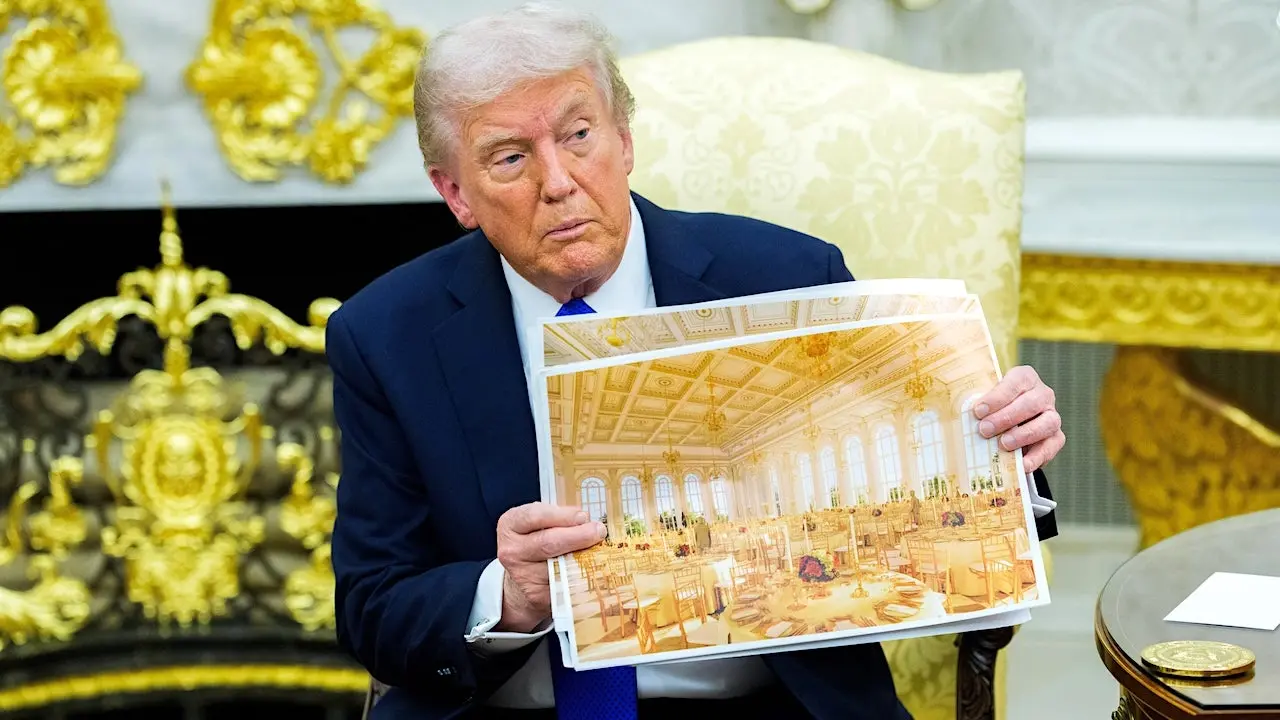
The White House ballroom construction has become a focal point of legal and political contention. The project, which includes security upgrades, has drawn opposition from the National Trust for Historic Preservation. The group claims Congress has not authorized the work, while the Trump administration insists it is essential for security. The legal battle has moved through multiple courts, with the Supreme Court now involved.
Legal Delays and Political Rhetoric
The case has seen a series of legal moves and counter-moves. A lower court injunction was temporarily stayed by Chief Justice Roberts, allowing construction to continue. The administration has framed the project as a matter of national security, citing past assassination attempts against Trump. Meanwhile, opponents argue the project lacks proper authorization and is being rushed through without proper oversight.
Security Concerns and Public Response
The Trump administration has emphasized the need for enhanced security measures, describing the ballroom as an “integrated military complex.” This has led to increased political pressure, with Republicans pushing to fast-track the project. The National Trust for Historic Preservation has criticized the administration for trying to outpace judicial review by accelerating construction. The project has become a symbol of the broader tensions between security, legal authority, and political urgency.
Supreme Court Involvement
The case has reached the Supreme Court after a federal appeals court ruled that Congress had not authorized the ballroom. The ruling would have blocked above-ground construction, allowing only underground work related to security features. Roberts’ order kept the injunction on hold, but the underlying legal dispute remains unresolved. The Supreme Court has not yet made a final decision on the matter.
Continuing Legal Battle
The legal fight over the White House ballroom continues to unfold. The Trump administration has taken an aggressive stance, arguing that halting construction would be too late. The National Trust for Historic Preservation has opposed the project, claiming it lacks proper authorization. The case highlights the complex interplay between executive authority, legal oversight, and political pressure in high-profile projects. The outcome remains uncertain as the courts continue to weigh in.