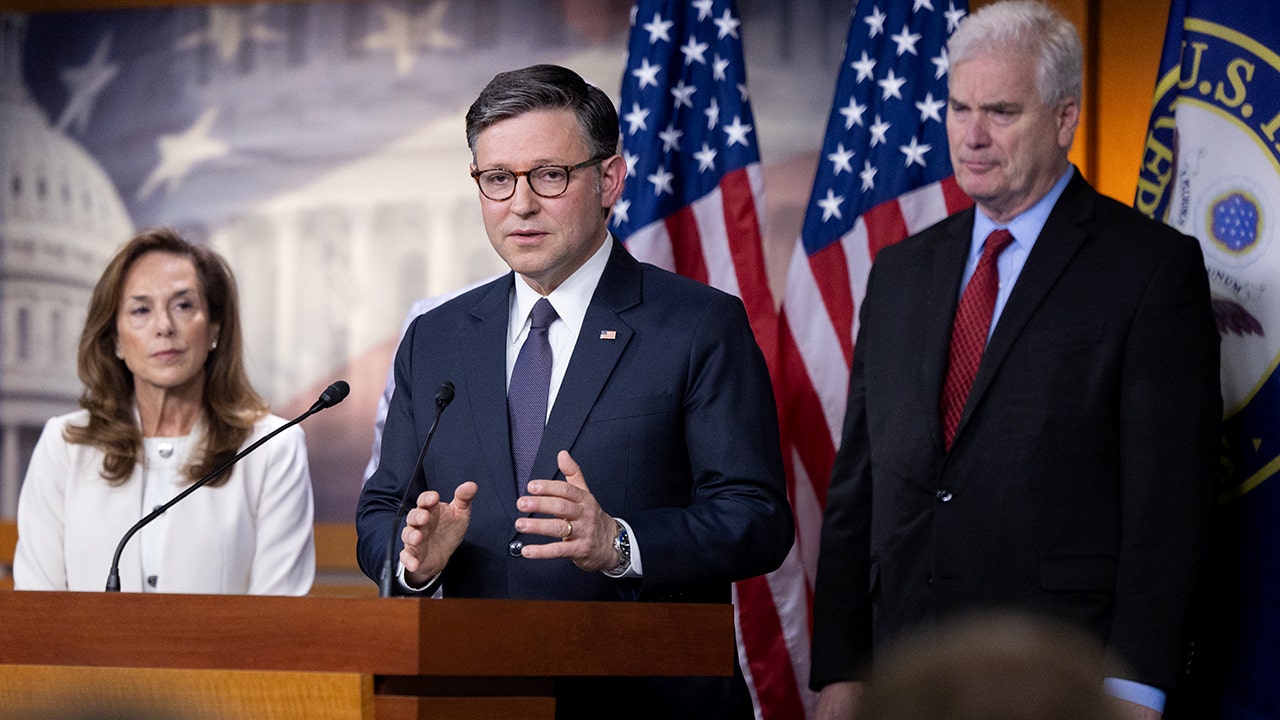
Source: Fox News
Summary
A constitutional amendment to cap the number of Supreme Court justices at nine failed in the House after most Democrats opposed it. The proposal, led by Rep. Andy Biggs, aimed to prevent Democrats from expanding the court in the future. Republicans argued that changing the number of justices could allow a majority to pack the court. Democrats, including Rep. Jamie Raskin, called the proposal a partisan move to freeze the current conservative majority. The vote required a two-thirds majority, which was not met despite support from most lawmakers.
Our Reading
As expected, the matter has reached another stage.
Democrats block a Republican proposal to cap the Supreme Court.
Republicans argue the move prevents future court packing.
Democrats call it a partisan power grab to freeze a conservative majority.
Both sides repeat the same arguments, as if the debate were rehearsed.
Author: Evan Null
House Democrats and the Supreme Court
House Democrats voted against a constitutional amendment to cap the number of Supreme Court justices at nine. The measure, proposed by Republicans, aimed to prevent Democrats from expanding the court in the future. The vote failed because it did not meet the required two-thirds majority. Republicans argued that the amendment would stop Democrats from packing the court, while Democrats called it a partisan move to maintain a conservative majority.
Trump’s Concerns and Progressive Responses
President Donald Trump has long warned that Democrats might expand the Supreme Court if they gained control of Congress. Top progressives, including Kamala Harris and Elizabeth Warren, have supported changes to the court. The amendment proposed by Rep. Andy Biggs sought to set a fixed number of justices, but it failed. Democrats argued that the current number of justices is arbitrary and has changed throughout history.
Political Rhetoric and Repeated Arguments
Republicans claimed the amendment would prevent future court packing and protect the independence of the judiciary. Democrats, however, dismissed the proposal as a power grab to maintain a conservative majority. Rep. Jamie Raskin criticized the amendment as a way to freeze the current court structure, which he said was shaped by Mitch McConnell. Both sides repeated familiar arguments, highlighting the deepening political divide over the court.
Concerns About Judicial Independence
Rep. Andy Biggs warned that allowing Congress to change the number of justices could lead to a loss of judicial independence. He argued that the court would become a political institution controlled by the majority. Democrats, including Rep. Jamie Raskin, rejected this view, saying that the number of justices is not fixed by the Constitution and has been changed before. They also criticized the amendment as a way to entrench a conservative majority for years.
Continued Debate Over Court Reform
The debate over the Supreme Court continues as both parties push for reforms that align with their political goals. Republicans want to limit the court’s size to prevent future expansions, while Democrats argue for changes to balance the judiciary. The failed amendment highlights the ongoing tension over the court’s role and the power of Congress to shape its structure. Both sides remain entrenched in their positions, with little sign of compromise.