Source: Fox News
Summary
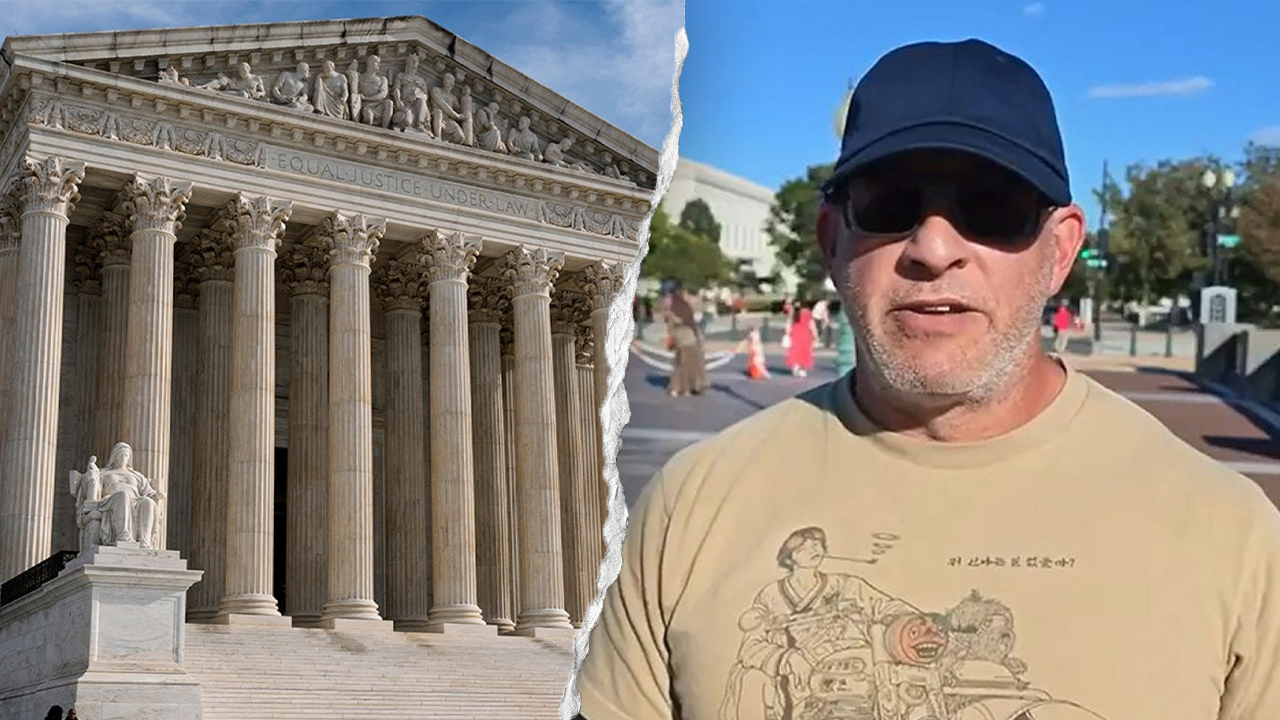
Lawmakers continue to debate expanding the U.S. Supreme Court beyond nine justices, with Americans expressing mixed views on the issue. Tim from Washington, D.C., said, “If it’s not broken, don’t fix it.” Derek from the same city argued that more justices could lead to more consensus. A Republican-backed constitutional amendment to fix the court at nine justices failed in the House in September. Democratic lawmakers have proposed changes, including expanding the court, establishing term limits, and imposing ethics requirements. Some Americans questioned the motives behind court expansion, while others supported it as a way to balance political influence.
Our Reading
As expected, the matter has reached another stage.
Lawmakers argue over court size.
People from Washington, D.C., say things like “if it’s not broken, don’t fix it.”
Others suggest more justices might lead to more consensus.
It’s the same conversation, just with different numbers.
Author: Evan Null
Key Figures and Locations
Tim from Washington, D.C., and Derek from the same city voiced opposing views on court expansion. Carl from Texas supported increasing the number of justices, saying, “If you’re going to pack the court, let’s pack it now.” Mark from Washington, D.C., suggested term limits might be more effective than expanding the court. The debate involves lawmakers from both parties, with Republicans seeking to keep the court at nine justices and Democrats pushing for changes.
Political Context
The debate over the Supreme Court comes after a failed Republican effort to permanently fix its size at nine justices. The measure failed in the House, falling short of the two-thirds majority needed for passage. Democrats have introduced multiple proposals to reshape the court, including expanding its membership and imposing term limits. Republicans argue that these proposals are a reaction to recent rulings they disagree with.
Historical Background
The Supreme Court’s size has changed over time, with Congress establishing the current nine-justice structure in 1869. The Judiciary Act of 1789 initially set six seats, and the court’s size fluctuated throughout the 19th century. Article III, Section 1 of the Constitution gives Congress the authority to determine the number of justices, though it does not specify a fixed number.
Public Opinion
Public opinion on court expansion is divided. Some Americans, like Tim, believe the court should remain unchanged, while others, like Derek, think more justices could lead to more balanced decisions. Others, like Carl, support expansion as a way to counter political influence. The debate reflects broader concerns about the court’s role and the balance of power in the U.S. government.
Future Implications
The debate over the Supreme Court is likely to continue, with both parties pushing for changes that align with their political goals. The failed Republican amendment highlights the difficulty of making constitutional changes, which require broad support across both chambers of Congress and the states. As the political landscape evolves, the question of court structure may remain a central issue in American politics.