<source: Fox News
Summary
Democratic Texas Senate candidate James Talarico skipped a rally in El Paso featuring Bernie Sanders, instead holding events in North Texas as his race against Ken Paxton intensifies. Sanders, Beto O’Rourke, and other Democrats used the event to support Talarico and criticize Republican spending. Talarico held a rally in Fort Worth, where he addressed concerns about money in politics and criticized Paxton and Elon Musk. O’Rourke claimed Republicans had spent $368 million against Talarico, while Sanders criticized wealthy donors’ influence on elections.
Our Reading
As expected, the matter has reached another stage.
Sanders spoke in El Paso, Talarico in Fort Worth.
O’Rourke praised Talarico, called out Republican spending.
Talarico blamed corruption, Musk, and the divide between top and bottom.
Both men spoke about money, but only one was seen with the crowd.
Author: Evan Null
El Paso and Fort Worth
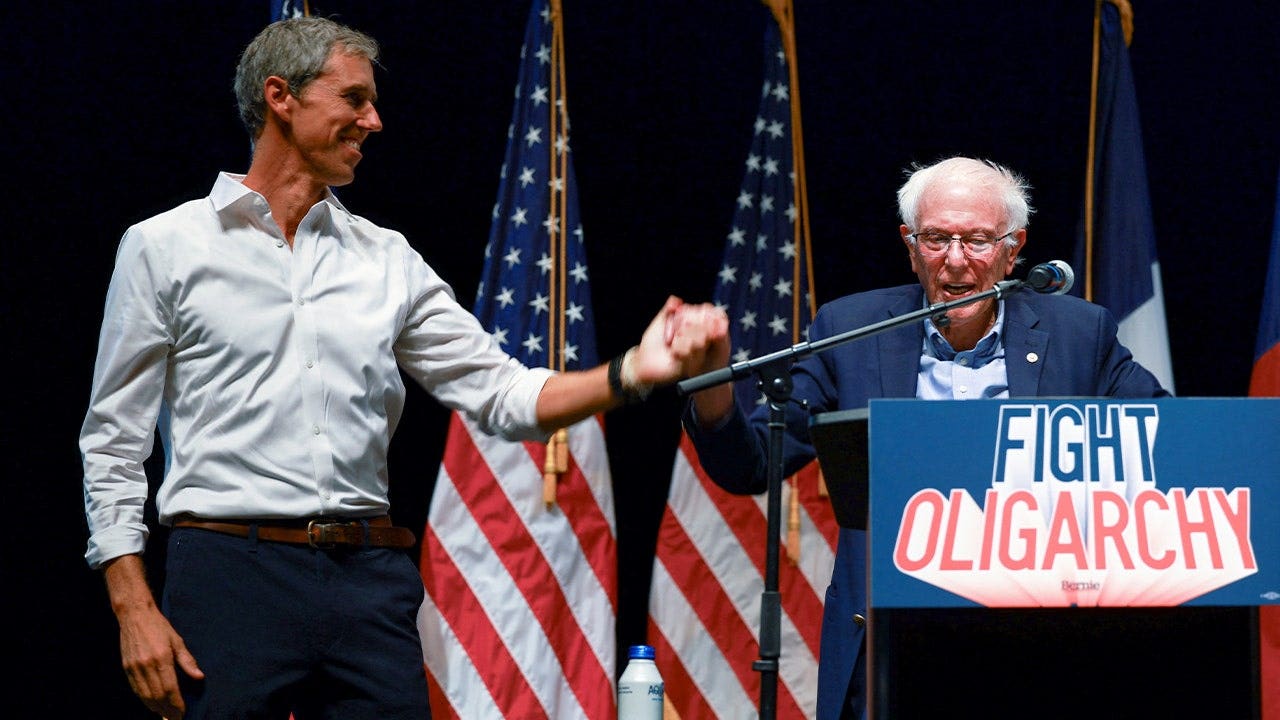
Sanders held a rally in El Paso, where he spoke about the influence of wealthy donors. Talarico, meanwhile, was in Fort Worth, delivering a similar message about money in politics. The two events took place on the same night, but in different parts of Texas.
The El Paso rally included Beto O’Rourke and other Democratic lawmakers, who used the event to promote Talarico’s campaign. They criticized Republican spending, claiming it had reached $368 million against one candidate.
Talarico’s campaign focused on the affordability crisis, linking it to a corruption crisis. He also tried to frame his campaign as something beyond party lines, saying the election was bigger than Democrats or Republicans.
Sanders, though, did not mention Talarico by name. Instead, he focused on the influence of multibillionaires in American elections. He urged supporters to vote early, calling the midterms a battle over political influence.
Talarico, meanwhile, was in Fort Worth, where he criticized both Ken Paxton and Elon Musk for their roles in the Texas Senate race. He called the divide in the country “top vs. bottom,” even as he campaigned in one of America’s richest donor enclaves.
The Campaign Rhythm
The campaign events followed a familiar pattern. Sanders spoke in one city, Talarico in another. Both addressed the same issue—money in politics—but from different angles.
The El Paso rally was a chance for Democrats to rally behind Talarico and criticize the Republicans. It was also a chance for O’Rourke to speak out against the $368 million spent against him.
Talarico, on the other hand, used his own events to highlight his message about corruption and affordability. He avoided direct attacks on Paxton, instead focusing on broader themes of inequality and political influence.
The two events were separate, but they were part of the same race. Both candidates were trying to win over voters, even as the race entered its final weeks.
The contrast between the two events was clear. One was a large rally with national figures, the other a smaller event with a local focus. Both, however, were part of the same political ritual.
The Ritual of Rallies
Rallies are a routine part of political campaigns. They provide a chance for candidates to speak directly to supporters, to raise funds, and to gain media attention.
In El Paso, the rally was a chance for Sanders and other Democrats to show unity behind Talarico. It was also a chance to criticize the Republicans, who were spending heavily against him.
In Fort Worth, Talarico used his rally to reiterate his message about corruption and affordability. He also tried to distance himself from traditional party lines, saying the election was about more than just Democrats and Republicans.
The events followed a predictable pattern. A candidate would speak, a crowd would listen, and the media would report on the message. It was a performance, but one that felt familiar to those who had seen it before.
Both events were part of the same race, but they were also part of a larger political routine. The same themes were repeated, the same strategies used, the same messages delivered.
The Message of Money
Money was a central theme in both events. Sanders spoke about the influence of wealthy donors, while Talarico blamed the affordability crisis on corruption.
O’Rourke claimed that Republicans had spent $368 million against Talarico, calling it a sign of their desperation. He used the El Paso rally to highlight the scale of the Republican spending and to rally support for Talarico.
Talarico, in Fort Worth, echoed similar concerns. He criticized both Ken Paxton and Elon Musk, suggesting that the Texas Senate race was being influenced by wealthy donors and corporate interests.
The message was clear: money was shaping the race, and both candidates were trying to frame it in their favor. But the message was also familiar, part of a recurring theme in American politics.
Despite the different approaches, the underlying message was the same. Both candidates were trying to position themselves as the voice of the people against the influence of the wealthy.
The Performance of Politics
Politics is a performance, and the events in El Paso and Fort Worth were no different. Both candidates spoke to their supporters, delivering messages that were familiar and expected.
Sanders, a veteran politician, used his platform to speak about the influence of wealthy donors. He was not new to this kind of message, and his words were delivered with the same confidence as before.
Talarico, on the other hand, was trying to establish himself as a new voice in Texas politics. He spoke about corruption and affordability, but he also tried to frame his campaign as something beyond traditional party lines.
The events followed a predictable pattern. A candidate would speak, a crowd would listen, and the media would report on the message. It was a routine, but one that felt necessary for the campaign.
Both events were part of the same race, but they were also part of a larger political performance. The same themes were repeated, the same strategies used, the same messages delivered. It was a ritual, but one that felt familiar to those who had seen it before.