Source: BroBible
Summary
A TikTok user claimed Texas Roadhouse bread rolls were unusually small, hard, and different, prompting questions about their preparation. The restaurant states rolls are made fresh daily and baked every five minutes. The user’s video, which received over 757,000 views, sparked debate about possible causes, including under-proofing or location-specific inconsistencies. Some commenters suggested the rolls were not fresh, while others found them normal. Texas Roadhouse has not commented publicly on the issue.
Our Reading
The habit gets a new name.
People expect perfection from a brand’s signature item.
Small, hard rolls break the illusion of consistency.
Waitresses deny the problem, but customers don’t believe them.
Everyone has a theory, but no one has the answer.
What’s the point of a famous roll if it can’t be trusted?
What’s Wrong With These Texas Roadhouse Bread Rolls?
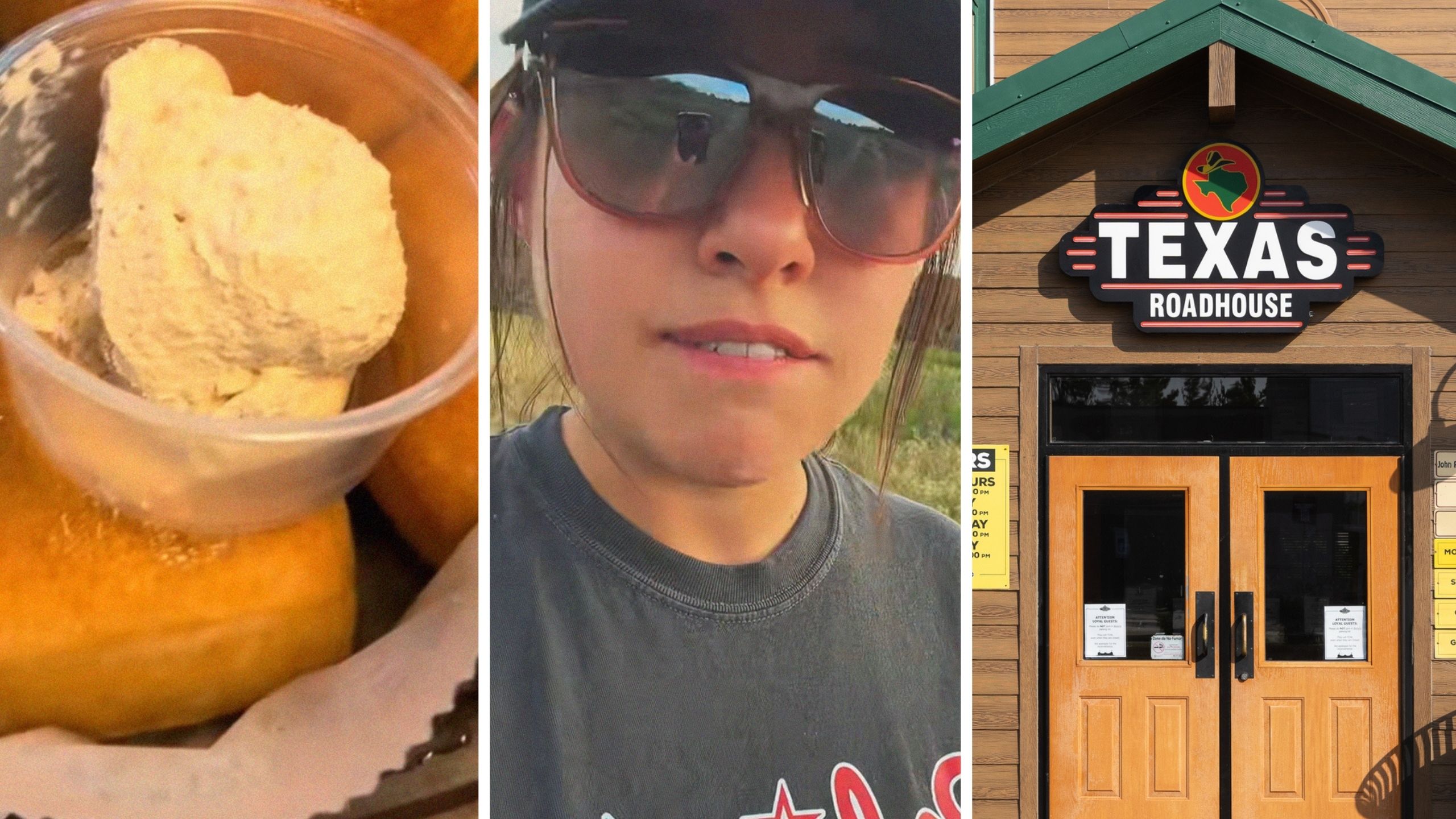
TikTok user @acourtneyyy posted a video showing what she claimed were unusually small and hard Texas Roadhouse rolls. She questioned if they were frozen, despite the waitress denying it. The video gained over 757,000 views and sparked a conversation about the chain’s consistency.
The user said the rolls didn’t taste the same as usual and compared them to “hockey pucks.” She insisted the rolls were not fluffy or soft, which she said was the norm. The video was captioned with a playful jab at the restaurant’s name, calling it “Texas Michelle Roadhouse.”
Texas Roadhouse claims its rolls are made fresh daily and baked every five minutes. The chain’s website confirms the process, but the customer’s experience contradicts that claim. The discrepancy has led to speculation about what went wrong.
Some commenters suggested the rolls were under-proofed or overcooked. Others blamed location-specific variations in food quality. A few viewers thought the rolls looked normal, but the user remained unconvinced.
The situation highlights the tension between brand reputation and individual customer experience. When a signature item fails, it can feel like a betrayal of expectations.
Theories
Commenters on the TikTok video offered various explanations for the poor quality of the rolls. Some suggested that the rolls may have been too fresh, leading to a dense texture. Others believed the issue was related to the proofing process, where dough doesn’t rise properly, resulting in a hard and compact texture.
Another theory was that the problem stemmed from inconsistency between Texas Roadhouse locations. Some users claimed that food quality varied significantly depending on where they dined. This raised questions about whether the issue was isolated to one location or a broader problem with the chain’s operations.
Despite these theories, no definitive answer emerged. The video didn’t show the inside of the roll, making it hard to determine the exact cause of the issue. Some viewers also questioned whether the rolls were actually different or if the user was simply more sensitive to the change.
The debate illustrates how customer expectations can be shaped by a brand’s reputation. When something familiar doesn’t meet those expectations, it can lead to frustration and skepticism.
What Could Have Gone Wrong?
If the rolls were tough and dense, freezing the dough isn’t necessarily the cause. Frozen dough can still be baked into soft, fluffy rolls. However, the proofing process plays a crucial role in determining the final texture. If the dough didn’t proof long enough, the rolls could turn out small and dense.
Other factors could also contribute to the issue. The yeast used in the dough might have been too weak, or the bakers could have used too much flour, resulting in a heavier texture. These variables are common in baking and can affect the outcome even with fresh ingredients.
Despite these possibilities, the exact cause of the problem remains unclear. The video doesn’t provide enough detail to confirm the issue, and Texas Roadhouse has not yet responded publicly. Without further information, the debate continues.
The situation raises questions about how brands maintain quality across multiple locations. When a signature item fails, it can damage the trust customers have in the brand.
Author:
Evan Null